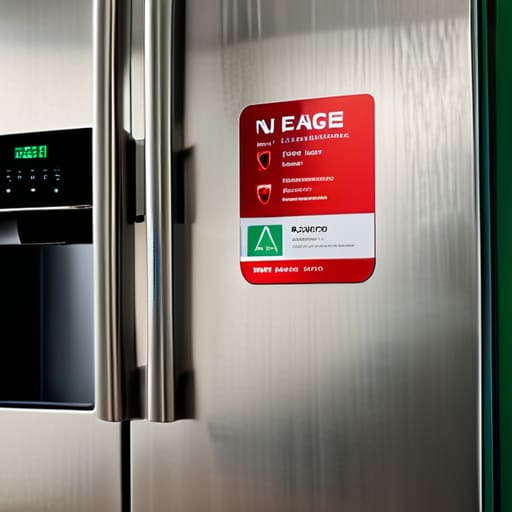
I still remember sitting in my old rental apartment, shivering under three blankets while staring at a utility bill that looked more like a mortgage payment. I used to think that if I just bought the newest, flashiest appliances, I’d magically solve my problem. But I was wrong. The truth is, most manufacturers make understanding energy ratings feel like you need a PhD in physics just to buy a toaster. They hide the real data behind confusing scales and marketing jargon, leaving you to guess whether that “green” sticker actually translates to real savings in your bank account or if it’s just expensive window dressing.
I’m not here to sell you on high-end, eco-luxury gadgets that cost a fortune. My goal is to strip away the fluff and give you the practical, data-driven truth about what those labels actually mean for your wallet. I’ll show you how to cut through the noise so you can make smart, budget-friendly choices that shrink your bills and lower your footprint. We’re going to focus on the numbers that actually matter, ensuring you stop paying for wasted power and start investing in efficiency that works for your real life.
Table of Contents
- Decoding the Labels to Master Interpreting Appliance Efficiency Labels
- How Standardized Energy Rating Systems Protect Your Hard Earned Cash
- 5 Quick Wins for Navigating Energy Labels Without Losing Your Mind
- The Bottom Line: What You Actually Need to Know
- ## Why the Label Matters More Than the Price Tag
- The Bottom Line on Your Bills
- Frequently Asked Questions
Decoding the Labels to Master Interpreting Appliance Efficiency Labels
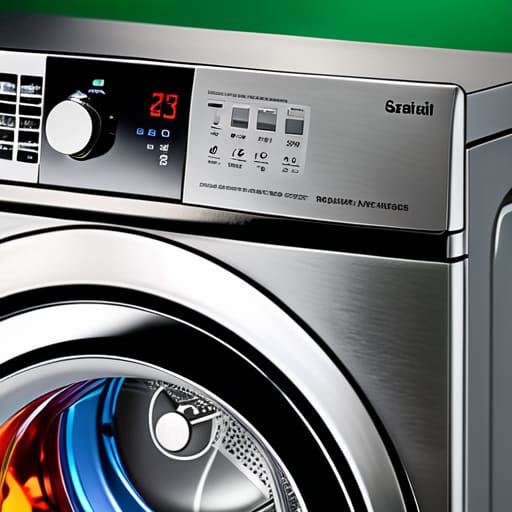
When you’re standing in a showroom, those colorful stickers can feel like a different language. Most people just glance at the letter and move on, but interpreting appliance efficiency labels requires a bit more nuance than just looking for an ‘A’. You need to look past the color scale and dive into the specific data points, like kilowatt-hours per year. That’s where the real math happens. If you’re comparing two similar washing machines, one might have a slightly lower rating but a much higher annual usage than the other.
I always tell my clients to look for the granular details. It’s not just about the letter; it’s about comparing appliance power consumption based on how you actually live. A high-capacity fridge might have a decent rating, but if it’s constantly cycling because of poor airflow, your actual bills won’t reflect that sticker. By focusing on the specific energy usage numbers rather than just the grade, you can ensure long-term cost savings from energy efficiency that actually show up in your bank account every month.
How Standardized Energy Rating Systems Protect Your Hard Earned Cash
Think of standardized energy rating systems as your personal defense against “greenwashing” and sneaky marketing. When I’m out on an audit, I see it all the time: brands using vague terms like “eco-friendly” or “smart-saving” to justify a premium price tag. Without a universal scale, you’re basically playing a guessing game with your bank account. These labels strip away the fluff and give you hard data, making comparing appliance power consumption actually possible. It turns a confusing sales pitch into a clear math problem that you can solve before you even reach the checkout counter.
Ultimately, this transparency is what drives real cost savings from energy efficiency. When every manufacturer is forced to play by the same rules, it levels the playing field for the consumer. You aren’t just buying a fridge; you’re buying a predictable monthly utility bill. By relying on these standardized metrics rather than a salesperson’s promises, you can make informed choices that protect your wallet and ensure you aren’t paying for wasted electricity. It’s about taking control of your overhead instead of just hoping for the best.
5 Quick Wins for Navigating Energy Labels Without Losing Your Mind
- Don’t just chase the letter; look at the numbers. A ‘B’ rating on a high-use appliance like a fridge can actually be cheaper in the long run than an ‘A’ on something you only use once a week.
- Check the annual estimated cost on the label. Most modern ratings now include a rough dollar amount for yearly usage—use that as your baseline to compare two different models side-by-side.
- Watch out for the “re-scaling” trap. Many regions recently updated their rating systems to make them tougher. An old ‘A+++’ might only be a ‘C’ on the new scale, so always check if you’re looking at the latest version.
- Size matters more than you think. Buying a massive, high-efficiency dishwasher is still a waste of energy if you’re only running it half-full. Match the capacity to your actual household needs.
- Look for the fine print on seasonal usage. For things like AC units or heaters, the rating can change based on how extreme your local climate is, so don’t assume a high rating means it’ll be cheap in a heatwave.
The Bottom Line: What You Actually Need to Know
Don’t just look at the letter; do the math. A ‘B’ rated appliance might actually be cheaper over three years than an ‘A’ rated one if the upfront cost is double. Always weigh the sticker price against the projected energy savings.
Labels are your best defense against “greenwashing.” Use the standardized data to compare apples to apples so companies can’t trick you into paying a premium for efficiency that isn’t actually there.
Small wins add up to big savings. You don’t need to overhaul your entire kitchen overnight—start by replacing your most power-hungry old tech with something better rated, and you’ll see the difference in your next utility bill.
## Why the Label Matters More Than the Price Tag
“An energy rating isn’t just a sticker on a fridge; it’s a roadmap for your bank account. I’ve seen too many people grab the cheapest model upfront, only to realize a year later they’re paying a ‘convenience tax’ every single month through massive utility bills.”
Tobias Nkemdirim
The Bottom Line on Your Bills
At the end of the day, decoding these labels isn’t about becoming an expert in electrical engineering; it’s about making sure you aren’t accidentally subsidizing an inefficient manufacturer. We’ve covered how to read those color-coded scales and why standardized systems are actually your best defense against hidden costs. Whether you’re eyeing a new fridge or replacing an old washing machine, remember that the sticker on the door is your roadmap to long-term savings. Don’t let the upfront price tag distract you from the math—a slightly more expensive appliance with a better rating often pays for itself through lower monthly utility bills before you know it.
I know that living sustainably can sometimes feel like a luxury reserved for people with massive budgets, but that couldn’t be further from the truth. Every time you choose a more efficient model, you are making a deliberate choice to stop wasting resources just because it’s the path of least resistance. It’s about taking control of your space and your finances, one appliance at a time. We don’t need massive, overnight overhauls to make a difference; we just need to stop letting energy leak out of our pockets. Start small, look at the labels, and let’s build homes that are actually built to last.
Frequently Asked Questions
If I find a high-rated appliance that's much more expensive upfront, how long will it actually take for the energy savings to pay for the difference?
It’s the classic dilemma: the “green premium.” To figure this out, don’t just look at the price tag; look at the projected annual running costs usually listed on the label. Subtract the cheaper model’s yearly cost from the efficient one’s, then divide the upfront price difference by that number. It’s called the payback period. If it takes ten years to break even on a washing machine, it might not be worth it. If it’s two years? Grab it.
Are these energy labels actually accurate for older appliances, or do they only apply to the newest models on the market?
Short answer: No, they aren’t. Those labels are designed for the current standards of new models hitting the shelves right now. If you’re looking at an older fridge or washing machine, that sticker doesn’t tell the whole story because the testing benchmarks have shifted. This is exactly why I always carry my infrared thermometer—you can’t trust a label from ten years ago to tell you how much heat or power a device is actually leaking today.
Does a higher rating always mean the machine will last longer, or am I just paying for better efficiency?
Short answer: No. A higher rating is strictly about how much power the machine gulps while it’s running, not how many years it’ll survive in your kitchen. You’re paying for better efficiency—meaning lower utility bills—not necessarily a more robust build. I’ve seen high-rated appliances die early and cheap, inefficient ones last decades. Don’t mistake “green” for “indestructible”; check the build quality and warranty separately so you aren’t just buying efficiency that fails prematurely.
