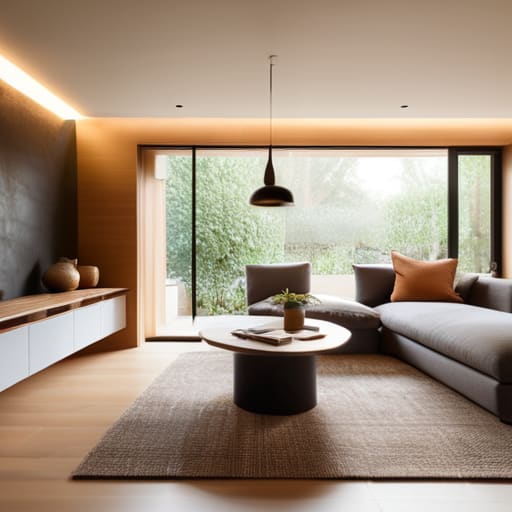
I still remember sitting in my old rental apartment, shivering through a February freeze because the heating bill was becoming a second mortgage. I spent half my time staring at the ceiling, wondering why my tiny living room felt like a cave, only to realize my old incandescent bulbs were basically miniature space heaters working in reverse—bleeding energy into heat instead of light. People love to make a massive deal out of “smart home integration” or high-end designer fixtures, but they ignore the absolute basics. If you aren’t looking at your led lighting setup, you are essentially leaving money on the table every single month for no reason at all.
I’m not here to sell you on some overpriced, “connected” gadget that needs a Wi-Fi signal just to turn on. My goal is to give you the straightforward truth about which bulbs actually last and how to pick the right color temperature without breaking the bank. I’ll show you how to audit your own space and make the switch in a way that actually lowers your utility bills and cuts your carbon footprint. No hype, no fluff—just practical ways to make your home more efficient.
Table of Contents
The Real Cost a Brutal Led vs Incandescent Comparison

I recently ran a quick audit on an old apartment that was still running original incandescent bulbs. When you look at a direct led vs incandescent comparison, the math is actually pretty staggering. An old-school bulb is essentially a heater that happens to give off a little light; about 90% of the energy it pulls from your outlet is wasted as heat. I caught this last week using my infrared thermometer—the bulb housing was scorching, while the actual light output was minimal.
If you switch to modern energy efficient lighting solutions, you aren’t just helping the planet; you’re stopping a literal leak in your bank account. For example, a standard 60-watt incandescent bulb can be replaced by an LED that pulls only about 8 or 9 watts to produce the same amount of light. When you factor in the massive difference in the lifespan of led bulbs—which can last decades compared to a few months for old filaments—the upfront cost pays for itself almost immediately. It’s not just about being “green”; it’s about refusing to pay for wasted energy.
Dont Get Fooled Lumens vs Watts Explained for Real Savings
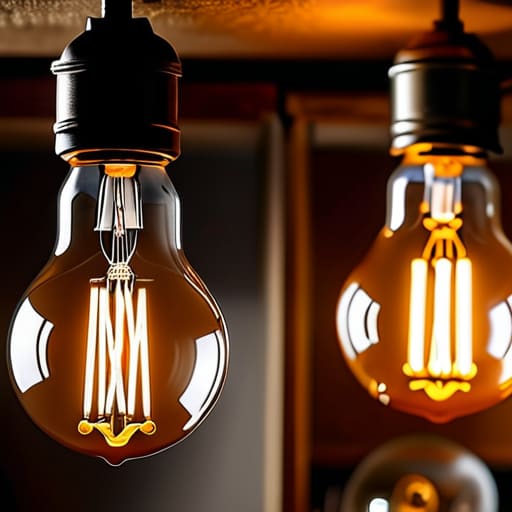
When I’m out on an audit, I often see people staring at a box of bulbs like they’re trying to solve a math equation. The confusion usually stems from one thing: we’ve been conditioned to shop by wattage. For decades, a “60-watt bulb” was the standard for brightness. But wattage is actually just a measure of how much electricity a bulb gulps down, not how much light it actually puts out. If you want to stop overpaying, you need to master lumens vs watts explained in a way that actually makes sense for your wallet.
Lumens are what you actually care about; they represent the volume of light hitting your eyes. A modern LED might only pull 9 watts of power, but if it pumps out 800 lumens, it’ll brighten your kitchen just as well as an old 60-watt incandescent ever could. When you’re browsing the aisles, ignore the wattage and look directly at the lumen count to ensure you’re getting the brightness you need. It’s the simplest way to ensure you aren’t buying underpowered bulbs that leave you fumbling in the dark.
5 Low-Cost Moves to Optimize Your Lighting Setup
- Stop buying based on wattage. I see people all the time looking for “60W bulbs” when they should be looking for the lumen count. If you want the same brightness as an old 60W incandescent, look for roughly 800 lumens. Buying by wattage is a legacy habit that’ll cost you extra money for no reason.
- Check your color temperature before you buy. There’s nothing worse than installing “daylight” LEDs in a cozy living room and making it feel like a sterile hospital ward. For relaxing spaces, stick to “Warm White” (around 2700K); save the “Cool White” for your workspace or kitchen where you actually need to see clearly.
- Use dimmers to squeeze out even more savings. If your fixtures are compatible, installing a dimmer switch allows you to dial back the intensity when you don’t need full brightness. It’s a tiny adjustment that prevents unnecessary energy draw and extends the lifespan of the bulbs.
- Group your lighting by usage. Don’t just leave a high-output LED array running in a room you only use for ten minutes. If you’re auditing a home, I always suggest putting high-traffic areas on motion sensors or smart plugs so the lights aren’t burning energy just because someone forgot to flip a switch.
- Look for the “Energy Star” rating on the box. It’s easy to get distracted by the cheapest bulb on the shelf, but the ultra-cheap, off-brand LEDs often have terrible efficiency and burn out way too fast. Spending an extra couple of bucks on a certified bulb means better light quality and a much longer replacement cycle.
The Bottom Line on Making the Switch
Stop looking at wattage as a measure of brightness; focus on lumens to ensure you’re actually getting the light you need without the wasted energy.
The upfront cost of an LED bulb is a one-time investment that pays for itself almost immediately through lower monthly utility bills.
You don’t need a complete home overhaul to see results—start by swapping the bulbs in the rooms you use most to see the biggest impact on your wallet.
The Hidden Tax of Old Bulbs
“Every time you leave an old incandescent bulb burning, you aren’t just lighting a room; you’re essentially paying a premium tax for heat you never even asked for. Swapping to LEDs isn’t just an ‘eco-friendly’ move—it’s a common-sense way to stop bleeding money through your light sockets.”
Tobias Nkemdirim
Cutting the Cord on Wasted Energy
At the end of the day, switching to LEDs isn’t just about some abstract environmental goal; it’s about practical, common-sense math. We’ve looked at how much money you’re essentially throwing out the window by clinging to old incandescent bulbs, and we’ve cleared up the confusion between wattage and actual brightness. Remember, you aren’t paying for the “power” a bulb draws, you are paying for the light it actually produces. When you stop obsessing over watts and start looking at lumens, you realize that upgrading your lighting is one of the highest-return investments you can make in your home. It’s a low-effort, high-impact move that pays for itself almost immediately.
I know that sometimes, making sustainable choices feels like it’s reserved for people with massive bank accounts or solar-paneled mansions. But my experience auditing homes has taught me that real change happens in the small, overlooked corners—like the light fixture in your hallway or the lamp on your desk. You don’t need to overhaul your entire life to make a dent in your utility bill or your carbon footprint. Small, smart changes are how we build a more efficient future. So, grab a pack of LEDs next time you’re at the store; it’s a simple way to stop wasting energy just because it’s convenient.
Frequently Asked Questions
Are LEDs actually better for the environment if they're harder to recycle than old bulbs?
It’s a fair question, and honestly, it’s one I’ve debated while looking at my own tech scraps. Yes, the circuitry in an LED is more complex than a simple filament, which makes recycling a bit trickier. But when you look at the math, the win is still for the LED. The massive reduction in energy production—and the carbon footprint that comes with it—far outweighs the recycling hurdle. It’s about the bigger picture.
Will switching to LEDs make my home feel "cold" or clinical compared to the warm glow of old incandescent lights?
That’s a fair concern, and honestly, it’s one of the biggest misconceptions I hear during audits. If you grab a cheap, “daylight” bulb, your living room will definitely feel like a hospital ward. But it’s not the tech; it’s the color temperature. Look for “Warm White” (around 2700K) on the box. It mimics that old-school amber glow perfectly. You get the efficiency without losing the cozy vibe of your home.
Do I need to replace every single bulb in my house at once to see a real difference in my utility bill?
Absolutely not. You don’t need to drop a massive chunk of cash on a single shopping trip to see results. I always tell my clients to start with the “high-traffic” areas—the lights you leave on for hours, like the kitchen or living room. Even swapping out five or six bulbs in those spots will show up on your next bill. Think of it as a rolling upgrade; tackle one room at a time.
