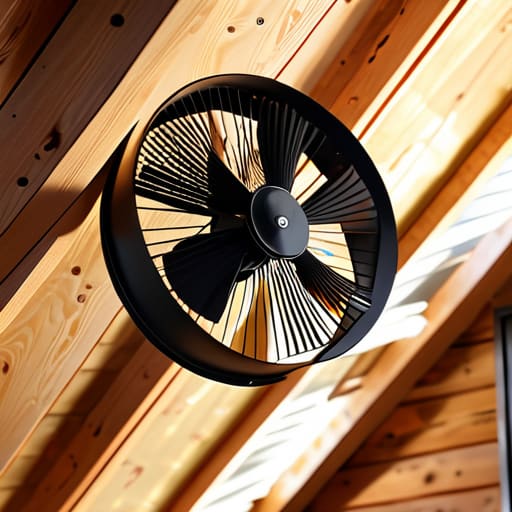
I still remember the summer I spent in that drafty rental, staring at a utility bill that felt like a personal insult. The air conditioner was working overtime, but the house still felt like a stagnant oven because the heat was trapped right above my head. Most people will tell you that you need a massive, multi-thousand-dollar HVAC overhaul to fix your cooling issues, but they’re usually just trying to sell you something expensive. In reality, a lot of that heat is just sitting in your attic, and neglecting your attic fans is like leaving your front door wide open in July.
I’m not here to pitch you some high-tech, over-engineered gadget that’s going to break in two years. My goal is to give you the straightforward truth about how these systems actually work and whether they’re worth your hard-earned cash. I’ll show you how to pick the right setup to stop wasting energy, keep your cooling costs down, and finally get that trapped heat out of your living space. No fluff, no marketing hype—just practical, data-driven ways to make your home more efficient without breaking the bank.
Table of Contents
Reducing Cooling Costs Without Breaking the Bank
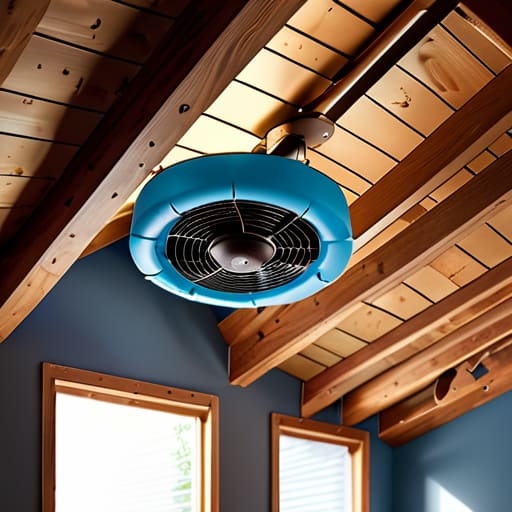
When I’m auditing a home, I usually see the same mistake: people focus entirely on their AC unit while ignoring the massive heat reservoir sitting right above their heads. If your attic is acting like an oven, your air conditioner is fighting a losing battle. By improving attic airflow, you aren’t just cooling a space no one lives in; you’re actually lowering the thermal load on your entire HVAC system. It’s one of those rare wins where you spend a little bit of money upfront to see an immediate drop in your monthly utility bills.
If you’re on a tight budget, you don’t need a massive electrical overhaul to see results. I often recommend looking into solar powered attic fans because they pull heat out of the structure using zero grid power. It’s a set-it-and-forget-it solution that keeps the temperature stable. Beyond just the heat, proper ventilation is vital for preventing moisture buildup, which protects your roof’s integrity over time. At the end of the day, it’s about making sure you aren’t paying to cool air that’s just going to leak straight through your ceiling.
Improving Attic Airflow to Stop Heat Traps
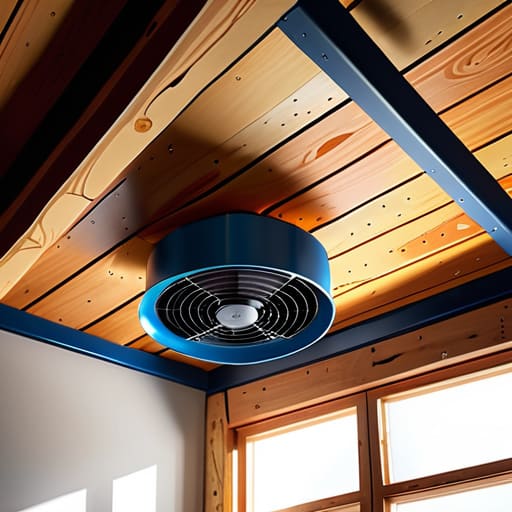
When I’m auditing a home, I usually find that the biggest culprit behind high utility bills isn’t the AC unit itself, but the stagnant, superheated air trapped just above your ceiling. If your attic doesn’t have a way to breathe, it essentially becomes a giant heat sponge that radiates warmth directly into your living space. Improving attic airflow is about more than just temperature, though; it’s about creating a continuous cycle of movement. Without proper ventilation, that trapped heat creates a feedback loop that forces your cooling system to work overtime just to keep up.
It’s also a massive issue for the structural integrity of your home. When air stays still, you run the risk of preventing moisture buildup from becoming a serious problem, which can lead to mold or wood rot. If you’re looking for a low-maintenance way to handle this, I often recommend looking into solar powered attic fans. They’re a great way to get that air moving during the hottest parts of the day without adding another cent to your monthly electricity bill. It’s a simple, passive win for both your wallet and your house.
5 Practical Ways to Get the Most Out of Your Attic Ventilation
- Don’t just buy any fan; check your attic’s existing airflow first. If your soffit vents are blocked by insulation, a new fan won’t do much because it won’t have any fresh air to pull in.
- Aim for a solar-powered model if you can. Since you’re already trying to cut utility bills, it makes zero sense to plug a cooling device into the very grid you’re trying to use less of.
- Size matters more than speed. I’ve seen people install tiny fans that just spin aimlessly; you need to calculate your attic’s cubic footage so the fan actually moves enough air to drop the temperature.
- Use a thermostat-controlled switch. You don’t need your attic fan running at 3 AM when the temperature has already stabilized. Automating it ensures you aren’t wasting electricity when the job is already done.
- Keep an eye on your intake vents. A fan is only half the equation—if you don’t have enough “makeup air” coming in from the eaves or gable ends, the fan will just create a vacuum and struggle to work.
The Bottom Line on Attic Ventilation
Don’t let your AC fight a losing battle; an attic fan stops the heat soak that forces your cooling system to run overtime.
Efficiency isn’t about expensive renovations—it’s about using simple airflow tools to keep the expensive air you’ve already paid for inside your living space.
Before you spend big on new insulation, check your ventilation first; if the heat can’t escape the attic, even the best insulation won’t save your utility bill.
The Cost of Doing Nothing
“I’ve spent too many afternoons pointing my infrared thermometer at ceilings and watching the heat signatures spike. It’s frustrating because an attic fan isn’t some luxury upgrade; it’s a basic tool to stop your air conditioner from fighting a losing battle against a trapped heat pocket in your roof.”
Tobias Nkemdirim
Making the Move
At the end of the day, an attic fan isn’t just a piece of hardware; it’s a strategic tool to stop your AC from fighting a losing battle against trapped heat. We’ve looked at how proper airflow prevents that massive heat soak in your ceiling and how choosing the right setup can keep your cooling bills from spiking every summer. You don’t need a massive renovation or a massive budget to see a difference. Whether you’re opting for a solar-powered model to keep things truly low-impact or just focusing on better ventilation to stop the heat traps, the goal is the same: stop paying for air you aren’t even using.
I know it can feel overwhelming to tackle home efficiency, especially when it feels like you need a PhD in engineering to make a dent. But I promise you, it’s the small, calculated moves that actually move the needle. Taking control of your attic space is a perfect example of how being smart with your setup leads to both a lighter wallet and a lighter footprint. We don’t have to wait for expensive, high-tech solutions to start living more sustainably. Let’s just start by fixing the leaks and managing the heat we already have. It’s practical, it’s doable, and it’s worth it.
Frequently Asked Questions
Will adding an attic fan actually lower my electricity bill, or am I just adding another appliance that pulls power?
It’s a fair question. If you buy a cheap, inefficient motor, you might just be trading one bill for another. But here’s the math: an attic fan uses a fraction of the energy your central AC does. By pulling that trapped, 130°F air out, you’re lowering the temperature your AC has to fight against. If it reduces your cooling load significantly, the net savings on your electric bill should definitely outweigh the fan’s power draw.
Is it better to go with a solar-powered attic fan or just stick to a standard electric one?
Honestly, it depends on your setup, but I usually lean toward solar if you want a “set it and forget it” solution. Solar fans are great because they run when the sun is hitting your roof—exactly when you need the ventilation most—and they won’t add a cent to your electric bill. Standard electric fans are more powerful for larger spaces, but if you’re looking for the lowest long-term cost and zero complexity, go solar.
How do I know if my attic is actually too hot, or if I just need better insulation in my ceiling?
Grab your infrared thermometer—if you have one—and check the temperature of your ceiling surface versus the air in the room. If the ceiling feels hot to the touch, your insulation is failing to block radiant heat from the attic. However, if the ceiling is cool but your attic air feels like a sauna, you don’t need more fluff; you need better ventilation. You’re likely trapping heat instead of exhausting it.
