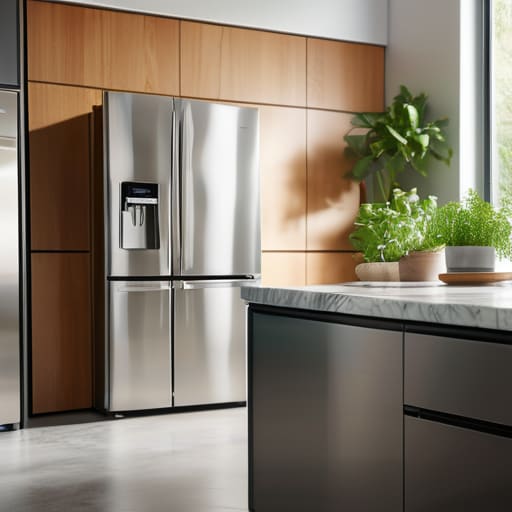
I still remember the summer I spent in that drafty rental apartment, watching my electricity bill climb every single month while my food sat in a fridge that sounded like a jet engine taking off. I used to think that going green meant dropping five figures on some high-tech, designer appliance that looked more like a piece of art than a tool. But here’s the truth: most of the marketing hype around energy efficient refrigerators is designed to make you feel like you need a massive bank account just to be sustainable. You don’t need a smart-fridge with a built-in touchscreen to save power; you just need to understand how the mechanics actually work.
I’m not here to sell you on expensive gadgets or lifestyle trends that don’t actually move the needle. My goal is to give you the straightforward, data-driven reality of what to look for when you’re shopping. I’ll show you how to spot the real efficiency ratings, avoid the “greenwashed” traps, and pick a model that actually respects your budget and the planet. Let’s cut through the noise and find a fridge that works for your life, not just your aesthetic.
Table of Contents
- Why Energy Star Certified Appliances Actually Save You Cash
- Decoding Compressor Efficiency Ratings Without Breaking the Bank
- 5 Low-Effort Hacks to Stop Your Fridge From Bleeding Cash
- The Bottom Line: What to Look for Before You Buy
- The Real Cost of a Cheap Fridge
- Making the Smart Call
- Frequently Asked Questions
Why Energy Star Certified Appliances Actually Save You Cash
I used to think the “Energy Star” sticker was just more marketing fluff designed to make us pay a premium upfront. But after auditing enough homes and seeing the data, I’ve realized it’s actually a roadmap for long-term savings. When you look at energy star certified appliances, you aren’t just buying a brand; you’re buying a guarantee that the machine meets strict performance standards. These units are engineered to optimize compressor efficiency ratings, meaning they don’t just run non-stop to keep things cold—they cycle intelligently, drawing power only when absolutely necessary.
It’s a math problem, really. A standard, older model might be cheap today, but the way it drags down your monthly budget through high refrigerator electricity consumption is a slow leak in your wallet. By investing in a model with better thermal management and smarter components, you’re effectively capping your future expenses. For me, it’s about that peace of mind—knowing that your kitchen isn’t secretly bleeding money every time the compressor kicks in.
Decoding Compressor Efficiency Ratings Without Breaking the Bank
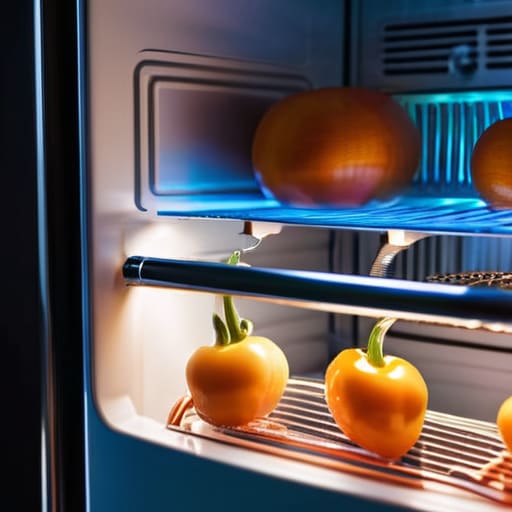
When you’re looking at the spec sheet, you’ll see a bunch of jargon about compressor efficiency ratings, and honestly, it can feel like a trap designed to confuse you. Most people just look for the lowest price tag, but that’s a mistake. The compressor is essentially the heart of your fridge; it’s what does the heavy lifting to keep your food cold. If you end up with a cheap, outdated model, that compressor is going to run constantly, spiking your refrigerator electricity consumption and eating your savings through your monthly utility bill.
I always tell my clients to look for models featuring inverter compressors. Unlike the old-school versions that simply kick on and off at full blast—which is incredibly wasteful—inverter tech adjusts its speed based on how much cooling you actually need. It’s a bit more sophisticated, but it’s a massive win for reducing kitchen utility bills in the long run. You aren’t just buying a box to hold milk; you’re investing in a piece of tech that manages its own workload so you don’t have to pay for wasted momentum.
5 Low-Effort Hacks to Stop Your Fridge From Bleeding Cash
- Check your seals with the flashlight trick. I always carry my infrared thermometer to find heat leaks, but you can do this for free: grab a flashlight, put it inside the fridge at night, and close the door. If you see light leaking out around the edges, your gaskets are shot, and your compressor is working overtime to compensate for that lost cold air.
- Stop the “overstuffing” habit. It’s tempting to cram every leftover into every available inch, but air needs to circulate to maintain a consistent temperature. If you block the vents, the fridge struggles, uses more power, and leaves some food warmer than others. Think of it as breathing room for your groceries.
- Mind the gap between the fridge and the wall. I see this constantly in small rental kitchens—people push their appliances flush against the wall to save space. If there’s no airflow behind the unit, the heat generated by the condenser coils gets trapped, making the whole system run way less efficiently. Give it at least a couple of inches of breathing room.
- Don’t put hot leftovers straight in. It feels convenient, but dumping a steaming bowl of pasta into a cold fridge forces the appliance to work in overdrive to bring the temperature back down. Let your food cool on the counter for a bit first; it saves the motor and keeps your electricity usage steady.
- Clean your condenser coils every six months. Dust and pet hair act like a thermal blanket on those coils, preventing them from shedding heat properly. If you haven’t cleaned them in a year, you’re essentially paying a “dust tax” every single month in the form of higher utility bills. A quick vacuum is all it takes.
The Bottom Line: What to Look for Before You Buy
Don’t just look at the price tag on the showroom floor; calculate the “total cost of ownership” by factoring in how much that fridge will suck electricity out of your wallet every single month for the next decade.
Prioritize Energy Star certification as your baseline, but don’t stop there—check the specific kilowatt-hour (kWh) rating to see which model actually offers the best efficiency for your specific usage.
Size matters more than you think; buying a massive, oversized fridge just because it “might be useful” is a quick way to waste energy cooling empty space you don’t need.
The Real Cost of a Cheap Fridge
“I’ve seen too many people buy the cheapest fridge on the floor just to save fifty bucks upfront, only to watch their utility bills bleed them dry every single month. A fridge is a marathon runner, not a sprinter; if it isn’t efficient, you’re just paying for it twice—once at the store and once through your power meter.”
Tobias Nkemdirim
Making the Smart Call
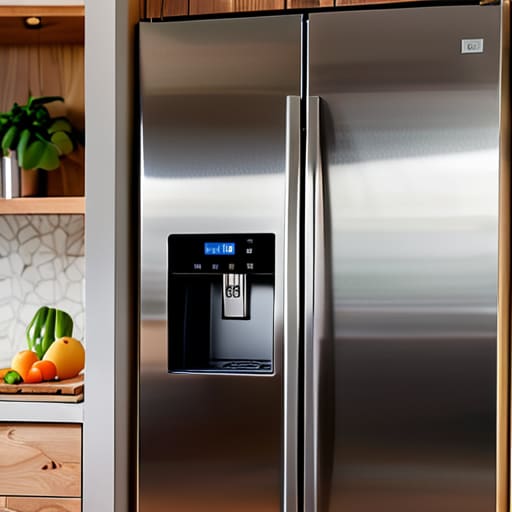
At the end of the day, picking a new fridge isn’t just about finding something that looks good in your kitchen; it’s a calculated move for your wallet. We’ve looked at why Energy Star ratings aren’t just marketing fluff and how understanding compressor efficiency can prevent you from overpaying for a machine that works harder than it needs to. It comes down to doing a bit of homework upfront so you aren’t constantly bleeding money through your power outlet every single month. If you focus on the specs that actually impact your daily usage, you’ll find that efficiency is the ultimate long-term investment.
I know it can feel overwhelming to navigate all these technical terms and price tags, especially when you’re trying to stick to a tight budget. But remember, sustainability shouldn’t be a luxury reserved for people with massive bank accounts. Every time you choose a smarter, more efficient appliance, you’re making a choice to stop wasting energy just because it’s the easy path. It’s about taking control of your space and your spending. Small, intentional decisions like this are exactly how we build homes that are both affordable to run and kind to the planet.
Frequently Asked Questions
Is it actually worth paying the extra upfront cost for a high-efficiency model, or do the monthly savings take too long to break even?
Look, I get the hesitation. Staring at a higher price tag at the store feels like a setback. But I’ve run the numbers on enough audits to know that the “break-even” point usually hits much faster than people think. If you’re looking at a fridge you’ll use for a decade, that upfront premium isn’t a cost—it’s an investment. You aren’t just buying a kitchen appliance; you’re pre-paying your future utility bills at a discount.
How much of a difference does the placement of my fridge make—does keeping it away from the oven really impact my electricity bill?
It makes a massive difference. I’ve seen it firsthand with my infrared thermometer: if your fridge is jammed right next to a hot oven, it’s working overtime just to fight that ambient heat. It’s like trying to keep a drink cold while standing next to a radiator. By giving your fridge some breathing room and keeping it away from heat sources, you reduce the strain on the compressor and keep those monthly bills from creeping up.
Are there specific features, like smart sensors or dual cooling, that actually improve efficiency, or are they just marketing gimmicks to hike up the price?
Look, I’ve seen enough spec sheets to know when a brand is just selling you a shiny gadget. Most “smart” features are just fluff. However, dual cooling is different—it keeps humidity stable, which actually prevents food waste and keeps the compressor from working overtime. Smart sensors can be useful for tracking usage, but if they’re just there to send you a notification that the door is open, you’re paying a premium for a gimmick.
