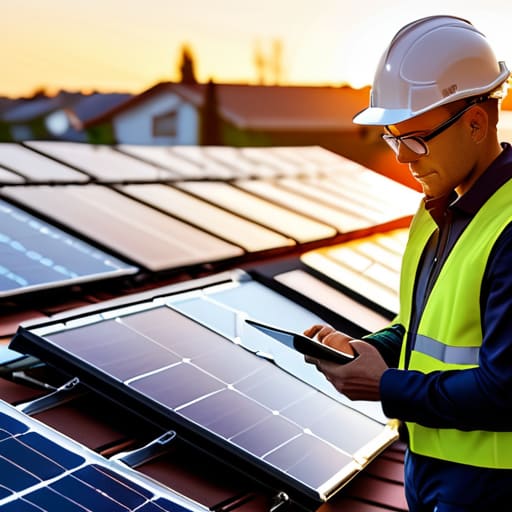
I still remember standing in my old rental apartment, shivering through a February freeze while staring at a utility bill that felt like a personal insult. I knew then that energy shouldn’t be a luxury, but the jump from “wasting power” to “going solar” feels like a minefield of predatory sales tactics. Most people think you need a massive inheritance to make the switch, but the truth is that most solar panel installation companies are just better at marketing than they are at actually helping you save. They hide the real math behind glossy brochures and complex jargon, leaving you wondering if you’re actually investing in the planet or just funding someone else’s commission.
I’m not here to sell you a dream or a high-interest loan you can’t afford. My goal is to cut through the noise and show you how to vet these providers based on hard data and real-world efficiency, not just their flashy websites. I’ll help you identify which companies actually prioritize long-term energy savings and which ones are just looking for a quick buck. We’re going to find you a setup that actually lowers your bills without breaking your bank account.
Table of Contents
- Checking Solar Energy Company Credentials Without Breaking the Bank
- Why You Need Certified Solar Technicians Not Just Cheap Labor
- 5 Things I Look For Before I Trust an Installer With My Roof
- The Bottom Line on Choosing a Solar Partner
- ## The True Cost of a "Cheap" Install
- Making the Right Call for Your Wallet and the Planet
- Frequently Asked Questions
Checking Solar Energy Company Credentials Without Breaking the Bank
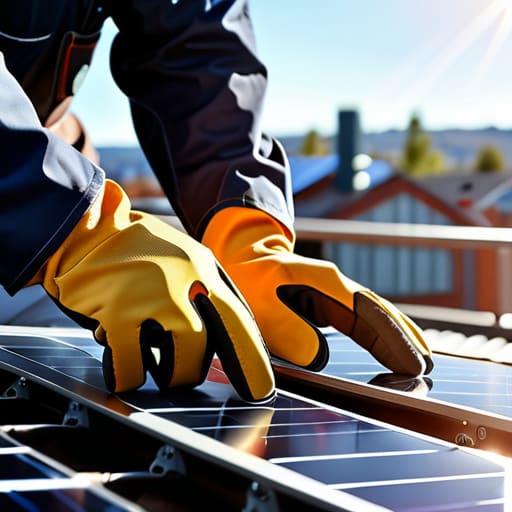
When I’m auditing a home, I don’t just look at the insulation; I look at who is actually doing the work. You can’t just hire the first crew that rolls up in a shiny truck. To avoid a massive headache later, you need to verify their solar energy company credentials before a single bolt is tightened. I always check if they are NABCEP certified—that’s the gold standard. You want to ensure you’re dealing with certified solar technicians who actually understand the physics of a photovoltaic system setup, not just some guys who watched a YouTube tutorial last week.
Don’t let a salesperson gloss over the fine print. A legitimate provider will give you a transparent solar panel installation cost breakdown rather than just a single, intimidating lump sum. If they can’t explain where your money is going—from the mounting hardware to the inverter specs—walk away. I’ve seen too many people get stuck with subpar equipment because they were chasing the lowest quote. Real renewable energy installation experts will be happy to walk you through the technical details because they know their stuff.
Why You Need Certified Solar Technicians Not Just Cheap Labor
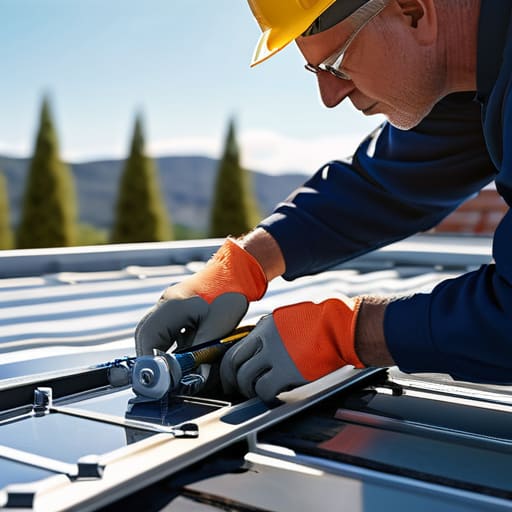
Look, I get the temptation. When you’re staring at a massive quote, your first instinct is to find the guy with the lowest price tag. But in my experience auditing energy systems, I’ve seen how “cheap” ends up being the most expensive mistake you can make. A botched photovoltaic system setup isn’t just a minor inconvenience; it’s a massive fire hazard and a total drain on your ROI. If the wiring is sloppy or the mounting is off, you aren’t just losing efficiency—you’re potentially compromising the structural integrity of your roof.
This is where the value of certified solar technicians really hits home. These pros aren’t just following a manual; they understand the physics of energy flow and local building codes. When you hire renewable energy installation experts, you aren’t just paying for labor; you’re paying for the peace of mind that your system won’t fail after two seasons. I’d much rather see a slightly higher initial investment than deal with the nightmare of a faulty system that refuses to hit its projected output. Don’t let a “bargain” turn your sustainable dream into a costly repair job.
5 Things I Look For Before I Trust an Installer With My Roof
- Don’t just settle for the lowest quote; ask for a detailed breakdown of what’s actually included. I’ve seen too many “budget” companies slash costs by using low-grade mounting hardware that fails after two seasons of heavy wind.
- Demand to see their local project list. A company might have a flashy website, but I want to know if they’ve actually handled the specific roofing types or weather conditions in our neighborhood.
- Check their warranty on labor, not just the hardware. The panels themselves might be covered for 25 years, but if the installer disappears next year, you’re stuck paying a premium to fix a single leaking seal.
- Verify they handle the permitting and grid interconnection paperwork. You don’t want to be stuck playing middleman between a contractor and the local utility company just to get your system turned on.
- Ask about their post-install support. A good company shouldn’t ghost you once the final check clears; they should have a clear process for troubleshooting if your production numbers suddenly dip.
The Bottom Line on Choosing a Solar Partner
Don’t get blinded by a low quote; a “cheap” installer who lacks proper certification will end up costing you more in repairs and wasted energy in the long run.
Treat your solar installation like any other home audit—verify their credentials and track record to ensure they actually deliver the efficiency they promise.
Sustainability shouldn’t be a luxury, so prioritize companies that offer transparent pricing and proven technical expertise to make your transition both affordable and effective.
## The True Cost of a "Cheap" Install
“I’ve seen too many people try to save a few hundred bucks upfront by hiring an uncertified crew, only to end up with a system that leaks energy—or worse, leaks money—through poor installation. A solar company shouldn’t just be selling you hardware; they should be selling you a long-term reduction in your cost of living.”
Tobias Nkemdirim
Making the Right Call for Your Wallet and the Planet
Look, I know the whole process of vetting solar companies feels overwhelming, especially when you’re trying to balance a tight budget with the need for high-quality tech. But remember what we discussed: don’t let a low price tag fool you into hiring uncertified labor that might end up costing you more in repairs down the line. By verifying credentials and focusing on companies that prioritize long-term efficiency over a quick sale, you’re protecting your investment. It’s about doing the legwork now to ensure your home actually delivers on those lower utility bills you’re counting on.
At the end of the day, transitioning to solar isn’t just about some high-tech gadget on your roof; it’s a practical move toward independence. I grew up in a home where energy was a constant, expensive headache, and I promise you, the feeling of watching your meter slow down is worth every bit of the research. You don’t need a massive windfall to make a difference or to live more sustainably. Start small, stay smart, and remember that every kilowatt you save is a win for both your bank account and the world we’re trying to protect.
Frequently Asked Questions
How do I know if a solar company is actually offering a real discount or just inflating their initial quote?
Look, I’ve seen this play out too many times: a salesperson walks in with a “limited-time 40% discount” that feels a bit too convenient. To spot the bluff, ask for a line-item breakdown. If they can’t show you the exact cost of the hardware versus the labor, they’re likely padding the initial quote just to “discount” it later. Compare their quote against the local average for similar kW systems. If the math doesn’t add up, walk away.
Is it worth paying a premium for a local installer versus going with a massive national corporation?
Look, I get the temptation to go with a massive national corp—their marketing is everywhere and they look “safe.” But in my experience, you’re often paying for their massive overhead, not better service. I usually lean toward local installers. They actually know your local climate and building codes, and if something goes sideways with your array, you aren’t stuck in a phone queue with a call center halfway across the country. Local accountability beats scale every time.
What specific warranties should I be looking for so I'm not stuck paying for repairs in three years?
Don’t get blinded by a low upfront quote if the warranty is garbage. You need to look for three specific things: a product warranty on the panels (aim for 25 years), an inverter warranty (these fail more often, so look for at least 10-12 years), and a workmanship warranty. The workmanship part is huge—it covers the actual installation. If a company won’t guarantee their labor for at least 5 to 10 years, walk away.
