
I remember sitting in my old rental apartment, shivering through a February freeze, staring at a utility bill that felt like a personal insult. I used to think that “going green” meant spending thousands on solar panels or high-end smart home tech just to see a tiny dent in my costs. But honestly? Most of the hype around sustainability is just noise designed to make you feel like you can’t afford to care. When I started auditing homes, I realized that people were bleeding money through the simplest mistakes—like clinging to old, heat-wasting incandescent bulbs. Understanding the real led lighting advantages isn’t about some high-tech lifestyle overhaul; it’s about stopping the literal drain on your bank account every time you flip a switch.
I’m not here to sell you on a “lifestyle brand” or some overpriced gadgetry. I want to give you the straight-up, data-backed truth about how switching your bulbs actually impacts your monthly overhead and your carbon footprint. We’re going to skip the marketing fluff and look at the practical reality of why this is one of the easiest wins for your wallet. My goal is to show you how to make smart, low-cost changes that actually stick, so you can keep your home comfortable without overpaying for the privilege.
Table of Contents
- Finding Cost Effective Lighting Solutions That Actually Last
- Why Luminous Efficacy Comparison Proves Old Bulbs Are Stealing Your Money
- 5 Ways LEDs Stop the Energy Drain in Your Home
- The Bottom Line: Why LEDs Win Every Time
- The Real Math of LEDs
- Cutting the Cord on Wasted Energy
- Frequently Asked Questions
Finding Cost Effective Lighting Solutions That Actually Last
When you’re looking for cost-effective lighting solutions, it’s easy to get distracted by the cheapest bulbs on the supermarket shelf. I’ve seen it too many times during audits: people buy the absolute lowest price point, only to have the bulbs burn out in six months. That’s not saving money; that’s just delaying an expense. Instead, I always look at the long-term math. You want to find a balance between the initial purchase price and the lifespan of the bulb. Investing a few extra cents upfront for a quality brand means you aren’t constantly climbing a ladder to replace dead lights, which saves you both time and frustration.
I also tell my clients to pay attention to the technical specs, specifically the luminous efficacy comparison between different models. You want the highest amount of light (lumens) for the lowest amount of power (watts). It sounds nerdy, but it’s the difference between a room that feels bright and a room that just feels expensive to run. If you can find bulbs with high-quality dimmable LED capabilities, you’re even better off. Being able to dial back the brightness when you’re just chilling on the couch is a massive win for your utility bill and helps extend the life of the hardware even further.
Why Luminous Efficacy Comparison Proves Old Bulbs Are Stealing Your Money
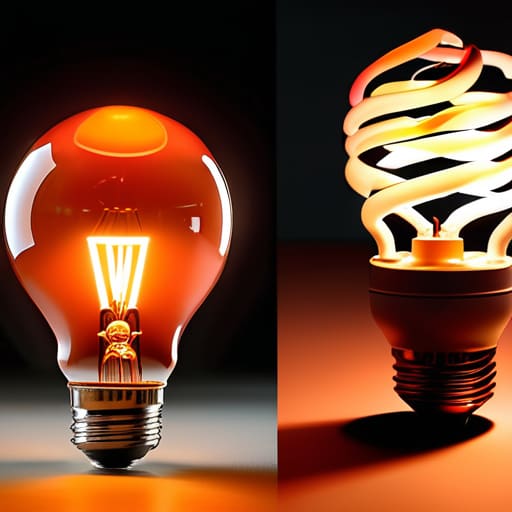
When I’m doing an audit, I don’t just look at what people are paying; I look at how they’re wasting it. If you want to understand why your bill is creeping up, you have to look at a luminous efficacy comparison. In plain English, this is just a measure of how much light you actually get out of every watt you pay for. Old incandescent bulbs are incredibly inefficient because they convert about 90% of their energy into heat rather than light. You aren’t just paying for illumination; you’re essentially paying to run tiny, inefficient space heaters in every lamp in your house.
Switching to modern LEDs changes the math entirely. Because they are much more efficient at converting electricity into visible light, they represent one of the most cost-effective lighting solutions available today. You get the same brightness—or better—while pulling a fraction of the power from the grid. It’s not just about the immediate savings on your monthly statement, though; it’s about the cumulative effect of moving toward sustainable lighting technology that doesn’t burn money just to keep a room visible.
5 Ways LEDs Stop the Energy Drain in Your Home
- Stop paying for heat you don’t want. Unlike old incandescent bulbs that turn half their energy into useless heat, LEDs stay cool. I’ve used my infrared thermometer on old lamps before, and the temperature spikes are ridiculous—you’re basically paying for a tiny, inefficient heater every time you flip a switch.
- Look past the sticker price. I know it feels like a hit to your wallet when you’re standing in the hardware aisle, but the math is simple. You’ll buy these once and forget about them for years, whereas those cheap old bulbs will have you back in the aisle every few months.
- Don’t get caught in the “dimming” trap. If you’re replacing old bulbs, make sure your LEDs are actually dimmable. There’s nothing more frustrating than spending money on an upgrade only to have the light flicker like a horror movie because your dimmer switch wasn’t compatible.
- Use the “Lumens over Watts” rule. This is where people usually mess up. Stop looking at how many watts a bulb pulls to judge brightness; that’s an old-school way of thinking. Check the lumens instead. It’s the only way to ensure you’re actually getting the light you need without the wasted power.
- Automate the small stuff. Since LEDs use so little power, they are perfect for smart plugs or motion sensors. I love setting a sensor in a hallway or pantry so the lights only run when someone is actually there. It’s a tiny tweak that keeps your footprint small without you having to think about it.
The Bottom Line: Why LEDs Win Every Time
Stop looking at the sticker price; the real math is in the lifespan and the massive drop in your monthly utility bill.
High efficacy isn’t just a technical term—it’s the difference between a bulb that turns electricity into light and one that just wastes it as heat.
Making the switch is one of the few home upgrades that pays for itself almost immediately without requiring a massive upfront investment.
The Real Math of LEDs
“I’ve spent enough time pointing an infrared thermometer at drafty windows to know that energy waste is everywhere, but nothing feels more like a literal leak in your bank account than running old incandescent bulbs. Switching to LEDs isn’t just some eco-friendly trend; it’s basic math. You’re paying for heat you don’t want just to get the light you do.”
Tobias Nkemdirim
Cutting the Cord on Wasted Energy
At the end of the day, switching to LEDs isn’t just about being “eco-friendly”—it’s a practical financial move. We’ve looked at how much money you’re essentially burning by sticking with old incandescent bulbs and how the math on luminous efficacy proves that modern tech pays for itself almost immediately. By choosing quality bulbs that actually last, you’re cutting down on the constant cycle of buying replacements and, more importantly, you’re slashing your monthly utility bills. It is one of the few home upgrades where the payback period is incredibly short and the impact on your wallet is immediate.
I know that when you’re looking at a monthly budget, every little bit counts. You don’t need a massive solar array or a complete home renovation to start making a difference. Sometimes, the most impactful change starts with something as small as a single lightbulb in your hallway. My goal is to show you that sustainability doesn’t have to be a luxury reserved for the wealthy; it’s about making smarter, more intentional choices with the resources you already have. Stop letting your hard-earned money leak out through your light fixtures and start investing in a home that works for you, not against you.
Frequently Asked Questions
Are LEDs actually worth the higher upfront cost compared to the cheap bulbs I can grab at the supermarket?
Look, I get it. It’s tempting to grab those cheap incandescent bulbs when you’re at the supermarket. But if you look at the math, those “cheap” bulbs are actually a trap. I’ve run the numbers on dozens of audits, and the upfront cost of an LED pays for itself in energy savings within months. You aren’t just buying light; you’re buying less heat waste and a bulb that won’t die in six weeks. It’s a no-brainer.
How do I know if an LED bulb is actually high quality or just a cheap imitation that’ll flicker in a month?
Look, I’ve seen it a dozen times: you buy a pack of five “bargain” bulbs, and within three weeks, your living room looks like a strobe light. To avoid that, check the CRI (Color Rendering Index)—aim for 80 or higher so things don’t look gray and depressing. Also, look for a flicker-free rating or a reputable driver manufacturer mentioned in the specs. If the box doesn’t list a lifespan or a warranty, leave it on the shelf.
Will switching to LEDs mess with the "vibe" or color of my room, especially if I'm used to warmer, older bulbs?
I get it—nobody wants their living room feeling like a sterile hospital ward. That’s a common fear when people switch to LEDs. The trick is looking at the Kelvin scale on the box. If you’re used to old incandescent bulbs, look for “Warm White” (around 2700K). It gives you that cozy, amber glow without the massive energy drain. Don’t just grab the cheapest “Daylight” bulbs; they’ll definitely kill the vibe.
