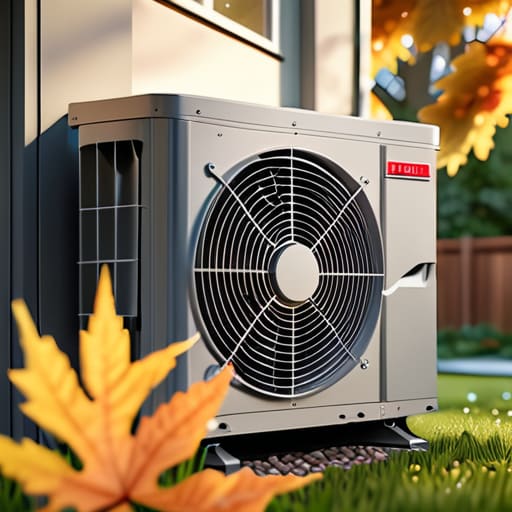
I still remember sitting in my old rental apartment, shivering under three blankets while staring at a utility bill that looked more like a mortgage payment. It felt like I was paying a premium just to stay cold, and the “solutions” people pushed were always either impossibly expensive or total nonsense. There’s this massive misconception that heat pump technology is some luxury reserved for people with massive solar arrays and endless savings, but that’s just not true. Most of the hype out there is designed to sell you a lifestyle you can’t afford, rather than a practical way to save money and stop wasting energy.
I’m not here to sell you on a dream or some futuristic gadget that requires a PhD to operate. Instead, I’m going to break down how this tech actually works in a real, messy, unpolished home. I’ll show you how to cut through the marketing fluff and determine if a heat pump is a smart investment for your specific space. My goal is to give you the data-driven truth so you can lower your bills and your footprint without breaking the bank.
Table of Contents
Heat Pump vs Gas Boiler Choosing Smarter Not Harder
When I’m auditing a home, the conversation almost always shifts to the elephant in the room: the old gas boiler. It’s reliable in a traditional sense, but it’s essentially a device that burns fuel to create heat, which is inherently inefficient. In the heat pump vs gas boiler debate, the math is pretty clear. A boiler converts fuel to heat at a fixed ratio, whereas a heat pump moves existing heat from the outside air into your home. This is why the coefficient of performance explained simply means you get more energy out than you actually put in.
Choosing between them isn’t just about the upfront cost; it’s about the long-term logic of decarbonizing residential heating. While a boiler is a quick fix, it locks you into fossil fuels for another decade. A heat pump might require more specific installation requirements, like larger radiators or better insulation, but it’s a proactive move. I look at it this way: why keep paying for the combustion of gas when you can leverage the physics of the environment to keep your space warm?
The Real Secret Behind the Thermodynamic Cycle of Heat Pumps

Look, I know “thermodynamics” sounds like something you’d only hear in a lecture hall, but you don’t need a physics degree to get why this works. Unlike a gas boiler, which creates heat by burning fuel, a heat pump doesn’t actually make heat—it moves it. It uses a refrigerant to soak up ambient thermal energy from the air (or ground) outside, even when it’s freezing, and concentrates that energy to warm your home. It’s essentially a refrigerator running in reverse.
The real magic happens within the thermodynamic cycle of heat pumps, where a compressor squeezes that refrigerant to spike its temperature. This process is why the efficiency numbers look so much better than traditional methods. When people ask me about the coefficient of performance explained, I tell them to think of it as a ratio: for every one unit of electricity you pay for, you’re getting three or four units of heat back. That’s the difference between just surviving the winter and actually mastering your energy costs without wasting a cent.
How to Actually Get Your Money’s Worth from a Heat Pump
- Don’t just swap your boiler and hope for the best; you need to size the unit correctly for your specific room volume, or you’ll end up fighting the machine just to stay warm.
- Stop treating your heat pump like a gas boiler—it’s a marathon runner, not a sprinter, so you need to set it to run at a steady, low temperature rather than blasting it on and off.
- Seal your leaks before you install. I’ve seen too many people invest in high-end tech only to watch their hard-earned heat escape through a drafty window frame or an uninsulated attic.
- Upgrade your radiators if you can. Since heat pumps run at lower temperatures, those old, tiny radiators might not have enough surface area to actually move the heat into your living space.
- Get a smart thermostat that actually talks to your system. If you aren’t managing your heating cycles with precision, you’re basically just leaving money on the table.
The Bottom Line on Making the Switch
Don’t let the upfront cost scare you off; when you factor in the massive drop in monthly utility bills, a heat pump eventually pays for itself.
It’s not magic, it’s just physics—by moving heat instead of creating it through combustion, you’re getting way more bang for your buck.
Switching to a heat pump isn’t just a win for your wallet, it’s one of the most effective ways to shrink your home’s carbon footprint without sacrificing comfort.
## Efficiency Over Excess
“A heat pump isn’t some luxury gadget for the eco-conscious elite; it’s just a smarter way to move heat instead of burning money to create it.”
Tobias Nkemdirim
The Bottom Line on Heat Pumps
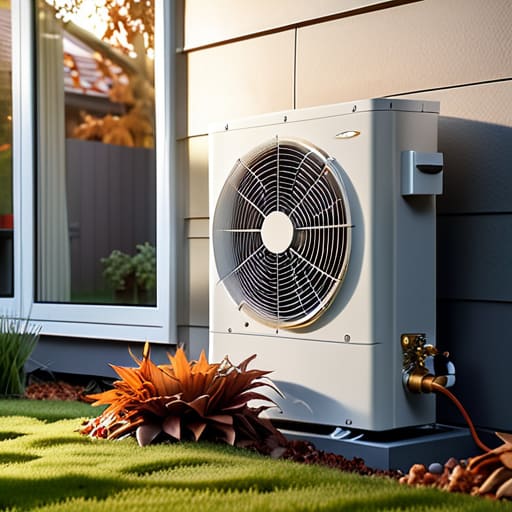
At the end of the day, switching to a heat pump isn’t just about chasing some high-tech trend; it’s about making a logical, data-backed decision for your wallet and your home. We’ve looked at how they stack up against traditional gas boilers and how that clever thermodynamic cycle does the heavy lifting to keep you warm without the massive energy waste. While the upfront cost can feel like a hurdle, when you factor in the long-term reduction in utility bills and the massive drop in carbon emissions, the math starts to make a lot more sense. It’s about moving away from outdated, inefficient systems and toward a setup that actually works with the physics of your home rather than against it.
I know that making big changes to your living space can feel overwhelming, especially when you’re trying to balance a budget. But I truly believe that sustainable living shouldn’t be a luxury reserved for the wealthy. Every small, smart adjustment we make—like choosing a high-efficiency heat pump over a gas burner—is a step toward a future where our homes are both comfortable and responsible. You don’t need to overhaul your entire life overnight, but you do need to stop accepting inefficiency as the status quo. Let’s stop throwing money out the window and start building homes that actually respect our resources.
Frequently Asked Questions
Will a heat pump actually keep my house warm during a massive cold snap, or will it struggle when the temperature drops?
It’s a fair question, and honestly, it’s what most people worry about. I’ve run the numbers on this: modern heat pumps are built for this. They don’t just “struggle”; they’re designed to pull heat from the air even when it feels freezing to us. You might notice them working a bit harder during a deep freeze, but as long as your home isn’t leaking heat like a sieve, they’ll keep you steady without the massive bill spikes.
How much is this actually going to cost me upfront, and how long does it take to see that money back in my utility bills?
Let’s talk numbers, because I know the sticker shock is real. Upfront, you’re looking at a significantly higher investment than a standard boiler—often several thousand more depending on your setup. But don’t let that deter you. Between government grants and the massive drop in monthly energy consumption, most of my clients see that initial cost break even within five to eight years. It’s not an expense; it’s a long-term hedge against rising gas prices.
Do I need to redo my entire home's insulation before I even think about installing one, or can I just swap out my old boiler?
Look, I’ll give it to you straight: if you just swap your boiler for a heat pump without looking at your insulation, you’re basically trying to fill a bucket with holes in it. Heat pumps work differently—they provide a steady, low-temperature flow rather than a sudden blast of heat. If your walls and loft are leaking warmth, the unit will struggle and your bills will spike. Fix the envelope first; it’s the smartest way to save.
