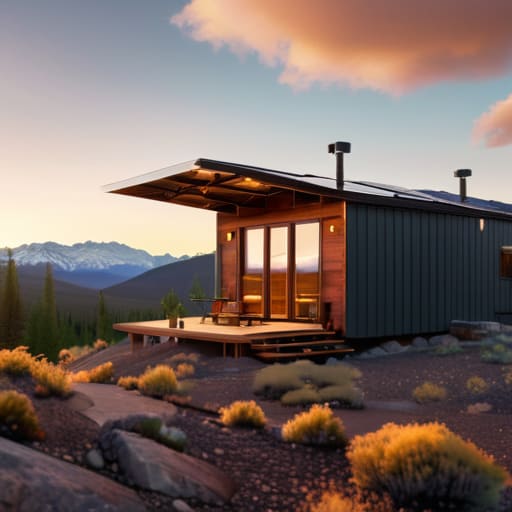
I remember standing in my old rental apartment, shivering through a drafty January while staring at a utility bill that felt like a personal attack. Back then, I thought the only way to escape the grid was to have a massive inheritance and a sprawling estate. Most people online will tell you that off grid solar systems are only for the ultra-wealthy or the hardcore survivalists living in the middle of nowhere, but that’s just marketing nonsense. They make it sound like you need a PhD in electrical engineering and a mountain of cash just to flip a light switch without feeling guilty about your carbon footprint.
I’m not here to sell you on some expensive, over-engineered fantasy that’s going to leave you in the dark when a cloud rolls in. Instead, I’m going to show you how to approach off grid solar systems through the lens of practical efficiency. I’ll break down how to size your setup based on actual data, avoid the common hardware traps that waste your money, and build a system that actually works for a normal budget. We’re going to focus on smart, scalable shifts that keep your costs low and your energy independence real.
Table of Contents
Calculating Solar Energy Needs Without Overspending

Most people approach solar by looking at the shiny panels first, but that’s a mistake that leads to massive waste. Before you buy a single piece of hardware, you have to get granular with your actual consumption. I always tell my clients to start with a simple audit: list every device, its wattage, and how many hours it actually runs. Calculating solar energy needs isn’t about guessing; it’s about math. If you overestimate, you’re just throwing money at extra panels you don’t need. If you underestimate, you’ll end up sitting in the dark halfway through a cloudy Tuesday.
Once you have those numbers, you can stop playing guessing games with your budget. This is where you decide on your storage strategy, which is often the most expensive part of the setup. You’ll eventually face the classic debate of lithium vs lead acid battery storage. While lead-acid might seem cheaper upfront, the lifecycle costs usually make lithium the smarter, more efficient long-term play for anyone trying to keep their monthly overhead low. Focus on your essential loads first, and build your system around that baseline.
Essential Photovoltaic System Components for Every Home
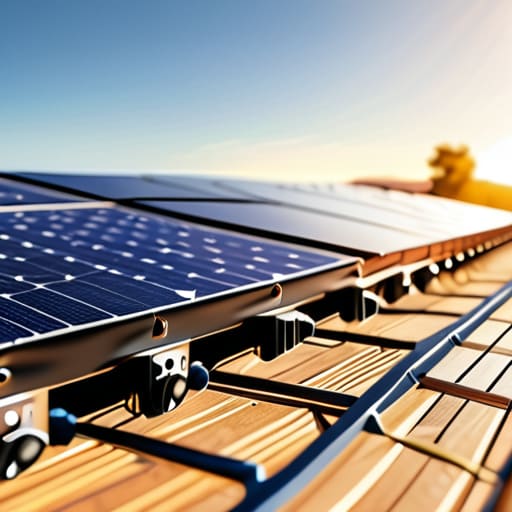
When you’re piecing together your setup, it’s easy to get distracted by shiny marketing, but you need to focus on the actual photovoltaic system components that do the heavy lifting. First, you’ve got your panels, which are the obvious starting point, but the real magic happens in the hardware that manages that flow. You need a reliable solar charge controller; its primary function is to prevent your batteries from being fried by a sudden surge of voltage. I always tell my clients that skipping on a decent controller is like trying to fill a glass of water with a fire hose—it’s just going to cause a mess.
Then there’s the matter of storage and conversion. This is where most people blow their budget. When deciding between lithium vs lead acid battery storage, remember that while lithium costs more upfront, the lifecycle and depth of discharge usually make it the smarter long-term play for your wallet. Finally, you need an inverter to turn that DC power into something your appliances can actually use. I’m obsessed with solar inverter efficiency because every percentage point lost to heat is essentially money leaking out of your house.
5 Ways to Keep Your Off-Grid Setup From Bleeding Cash
- Audit your phantom loads first. Before you buy a single panel, use my infrared thermometer or a simple plug-in power meter to see what’s sucking juice while you sleep. There’s no point in building a massive solar array if you’re just paying to power standby lights and old, inefficient chargers.
- Prioritize high-efficiency appliances over more battery capacity. Batteries are expensive and have a limited lifespan. If you can swap an old, power-hungry fridge for a modern, energy-efficient model, you’ll need a much smaller (and cheaper) battery bank to get through the night.
- Don’t skimp on the charge controller. It’s the brain of your system. A cheap, low-quality controller can mismanage your energy flow, leading to wasted sunlight and, even worse, a shortened lifespan for your batteries. Buy a decent MPPT controller; it pays for itself in efficiency gains.
- Think about your “energy budget” like a bank account. In an off-grid setup, you can’t just spend whenever you feel like it. You need to track your daily watt-hour usage against your seasonal solar harvest so you don’t end up sitting in the dark because you ran out of “currency” during a week of cloudy weather.
- Focus on passive efficiency before active generation. I see people spending thousands on solar setups when their homes are basically sieves. Seal your windows, insulate your walls, and use heavy curtains. The less energy you need to keep the house comfortable, the less solar gear you have to buy.
The Bottom Line on Going Off-Grid
Don’t buy more gear than you actually need; start with a precise audit of your daily wattage so you aren’t sinking money into oversized batteries or panels that just sit idle.
Prioritize efficiency in your home first—it’s much cheaper to fix a drafty window or swap to LED bulbs than it is to buy extra solar panels to power old, energy-hungry appliances.
View off-grid solar as a modular journey rather than a massive upfront expense; build your system in stages so you can scale up as your budget and your energy literacy grow.
The Real Value of Going Off-Grid
“Off-grid solar isn’t about buying your way into a high-tech utopia; it’s about reclaiming control over your own consumption and making sure not a single watt—or a single cent—is wasted on a system you don’t actually need.”
Tobias Nkemdirim
Making the Shift
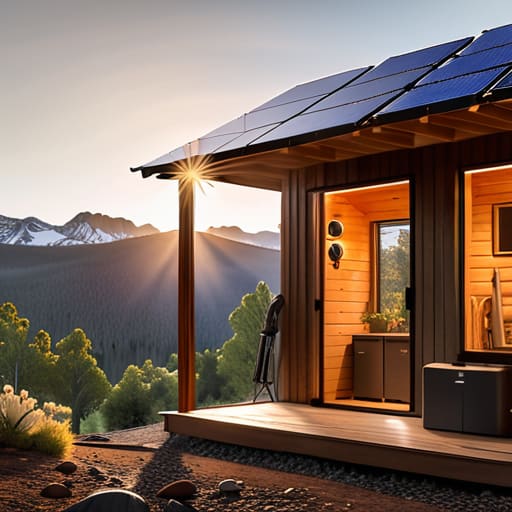
Building an off-grid solar system doesn’t have to be an all-or-nothing gamble that drains your savings. We’ve covered how to accurately size your load so you aren’t buying more panels than you actually need, and we’ve broken down the essential hardware—from the panels to the inverter—that keeps your lights on. The goal isn’t to build a massive, complex machine that requires a PhD to maintain; it’s about creating a balanced, efficient ecosystem that meets your specific daily demands. By focusing on precision in your calculations and choosing quality components, you ensure that your investment actually pays off in lower bills and consistent power.
At the end of the day, going off-grid is about more than just technical specs or hardware; it’s about reclaiming your autonomy. I know how frustrating it is to watch utility rates climb while feeling like you have zero control over your own environment. Transitioning to solar is a way to take that control back, one smart decision at a time. You don’t need to be a millionaire to stop being a passive consumer of an aging, wasteful grid. Start small, stay data-driven, and remember that every kilowatt you generate yourself is a win for both your wallet and the planet.
Frequently Asked Questions
How do I figure out how many batteries I actually need so I don't end up sitting in the dark on a cloudy day?
This is where most people mess up. They buy too much capacity and waste money, or too little and end up sitting in the dark. To get this right, you need to calculate your “autonomy”—basically, how many days you want to run on battery alone without any sun. List your essential loads (fridge, lights, router), find their daily watt-hour usage, and multiply that by your desired days of backup. Don’t forget to account for depth of discharge so you don’t kill your batteries prematurely.
Is it worth upgrading my existing appliances to be more efficient before I even start buying solar panels?
Honestly? Yes. Absolutely. Think of it this way: why build a bigger solar array just to power a “leaky” old fridge that gulps electricity? I always tell my clients to fix the leaks before they buy the tank. Upgrading to high-efficiency appliances lowers your baseline load, meaning you can actually get away with a smaller, cheaper solar setup. It’s about working smarter, not just buying more hardware. Efficiency first, solar second.
What’s the realistic maintenance schedule for keeping an off-grid setup running without it becoming a massive headache?
Look, you don’t need to be a technician, but you can’t just “set it and forget it.” I check my panel glass once a month for dust or debris—even a little grime drops efficiency. Every few months, I inspect my battery terminals for any corrosion. Most importantly, keep an eye on your inverter’s readings. If things look weird, don’t ignore it. A little routine spotting prevents a massive, expensive headache later.
