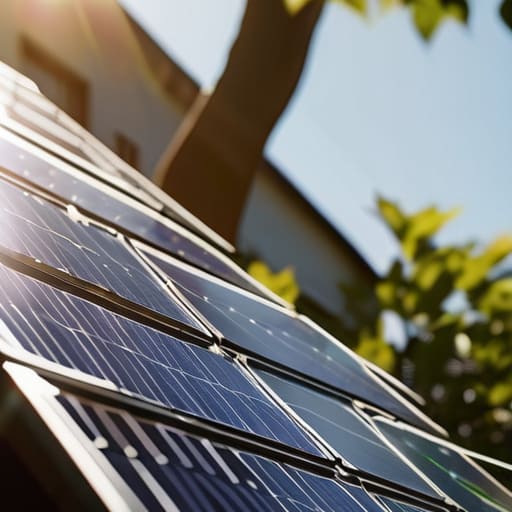
I remember standing on a client’s roof last autumn, clicking my infrared thermometer against a panel that looked perfectly fine to the naked eye, only to see the temperature readings tell a different story. Even a tiny, creeping shadow from a neighbor’s oak tree was causing a massive drop in output. Most solar installers will try to sell you on expensive microinverters or complex power optimizers the second they see a bit of solar panel shade, acting like it’s a catastrophic system failure that only a massive budget can fix. Honestly? That’s mostly marketing nonsense designed to pad their margins.
I’m not here to sell you a high-tech overhaul you don’t actually need. My goal is to show you how to look at your roof through a pragmatic lens so you can stop bleeding money. In this guide, I’m going to break down the real impact of solar panel shade and give you some no-nonsense, low-cost strategies to manage it. We’ll look at how to identify the problem areas before they spike your bills and what smart, small adjustments you can make to keep your energy production high without breaking the bank.
Table of Contents
Understanding Partial Shading Effects on Pv Modules
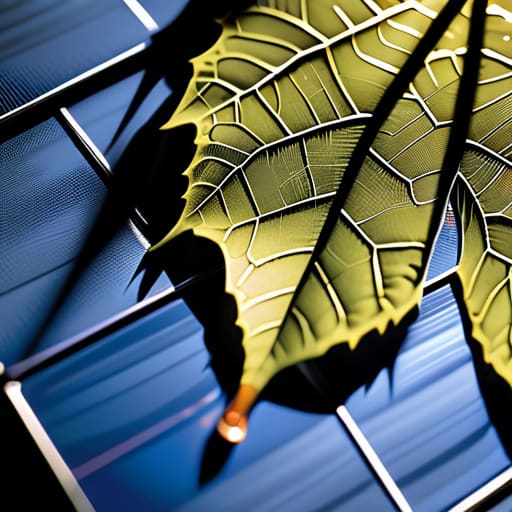
Most people think that if a tree branch covers just one corner of a panel, the whole system stays mostly fine. That’s a massive misconception. When a shadow hits a cell, it doesn’t just “turn off” that tiny spot; it creates a bottleneck. Because cells in a module are typically wired in series, the shaded cell starts acting like a resistor rather than a generator. This creates a significant solar panel efficiency loss across the entire string, effectively dragging down the performance of the sunny parts of your array.
To prevent your whole system from crashing every time a cloud passes or a chimney casts a shadow, most modern setups rely on the bypass diode function in solar panels. These diodes act like emergency detours, allowing the current to skip over the shaded section. While this saves the hardware from overheating, it means that a small patch of darkness can still knock out a large chunk of your power production. If you aren’t careful with your shading analysis for residential solar, you might find yourself paying for a high-end system that performs like a budget one because of a single poorly placed vent pipe.
How Solar Irradiance and Obstruction Kill Your Roi
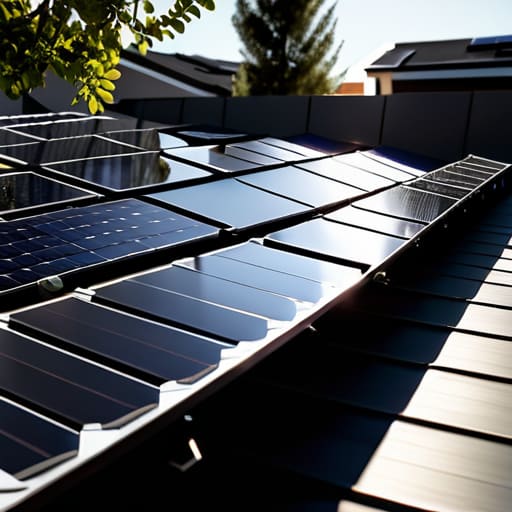
When I’m out on a site audit, I often see homeowners who are genuinely surprised by how much money they’re losing to a single tree branch or a chimney stack. It’s not just about a little bit of darkness; it’s about the physics of solar irradiance and obstruction. Think of it like trying to drink through a straw that someone is constantly stepping on. Even if the sun is blazing, that physical blockage disrupts the flow of energy, causing a massive drop in the total output you expected when you signed that contract.
This is where the math gets painful for your wallet. Most people assume a little shadow won’t matter, but the solar panel efficiency loss can be exponential rather than linear. If one cell is blocked, it can drag down the performance of the entire string. You might think you’re getting a 10% return, but a poorly placed obstruction can easily slash your actual savings by half. If you aren’t optimizing solar array placement from day one, you aren’t just losing sunlight—you’re actively killing your return on investment.
5 Ways to Fight the Shade Without Breaking the Bank
- Map your shadows before you buy. I always tell my clients: don’t just look at where the sun is at noon. Grab a flashlight or use a solar pathfinder app to see how a neighbor’s tree or a chimney shadow crawls across your roof at 3 PM. If you know the shade patterns now, you won’t be blindsided by a massive drop in production later.
- Go for microinverters or power optimizers. In the old days, if one panel was in the shade, the whole string would tank like a lead weight. Now, you can use microinverters so each panel works as its own little power plant. If a branch casts a shadow on one corner, the rest of your system keeps cranking out energy regardless.
- Trim the greenery—don’t let trees become parasites. It sounds aggressive, but a single limb casting a thin line across your array can cause a massive bottleneck. Keep your trees pruned back just enough to clear the solar path. It’s a small maintenance task that pays for itself in saved kilowatt-hours every single month.
- Check your mounting angles. Sometimes, a slight tweak to the tilt of your racking can help you catch more direct light and minimize the “shadow footprint” cast by nearby obstructions. It’s about finding that sweet spot where you’re maximizing exposure during the hours that actually matter for your specific roof layout.
- Keep the glass clear of “micro-shading.” It’s not just big trees; it’s also bird droppings, fallen leaves, or even heavy dust buildup. These small spots can create hot spots on the cells, which is inefficient and can actually damage the panel over time. A quick rinse with water once in a while keeps the light flowing freely.
The Bottom Line: Don't Let Shadows Drain Your Wallet
Even a small amount of shade isn’t just a minor inconvenience; it can disproportionately tank your entire system’s output, so you need to map out your roof’s shadow patterns before you commit to an installation.
You don’t always need to cut down a tree to fix the problem—sometimes smart hardware like microinverters or optimizers can help your panels work around obstructions without losing all your efficiency.
Think of shade management as a long-term investment in your ROI; keeping your panels clear of obstructions is the simplest way to ensure you’re actually seeing the savings you were promised.
## The Hidden Cost of a Single Shadow
“I’ve seen it too many times during audits: a single tree branch or a chimney shadow casting a small patch over a panel, and suddenly your entire system’s efficiency takes a massive hit. It’s not just about the sunlight you lose; it’s about the money you’re essentially throwing out the window every time the sun moves.”
Tobias Nkemdirim
Making Every Ray Count
At the end of the day, managing shade isn’t about achieving some impossible state of perfect sunlight; it’s about mitigating the losses that eat away at your investment. We’ve looked at how even a small branch or a chimney shadow can trigger a chain reaction that tanks your entire string’s output. Whether you decide to trim back that overgrown oak, invest in microinverters to bypass the shading issues, or simply rethink your panel layout, the goal remains the same: stop letting unmanaged obstructions turn your expensive hardware into glorified roof decorations. It’s about being proactive rather than reactive so your system actually delivers the numbers promised on the spec sheet.
I know that for a lot of people, the idea of sustainable living feels like a luxury reserved for those with massive solar arrays and endless budgets. But that’s exactly why getting the efficiency right matters so much. When you optimize for shade, you aren’t just chasing a tech enthusiast’s dream; you are protecting your wallet and ensuring that every cent you spend on renewables actually works for you. Don’t let a little bit of shadow convince you that solar isn’t worth it. Do the math, clear the path, and make your energy work harder for you.
Frequently Asked Questions
If a single branch is casting a small shadow on one corner of my panel, will it tank the performance of the entire array?
Short answer: Yes, it can. It’s frustrating, but it’s how the physics works. Most standard panels are wired in series, meaning the current has to flow through the whole “chain.” If one cell is shaded, it acts like a kink in a garden hose, restricting the flow for everything else. You don’t need a massive tree over the system to see a massive drop in output. Grab some shears and trim that branch.
Are there specific types of microinverters or optimizers that actually help mitigate the power loss from shading?
If you’re dealing with shade, you absolutely want to skip the traditional string inverter setup. It’s a trap; one shaded panel can drag down the performance of your entire array. Instead, look into microinverters (like Enphase) or DC optimizers (like SolarEdge). These allow each panel to act independently. If a tree branch casts a shadow on one module, the rest of your system keeps pumping out max power instead of stalling out.
Is it worth the cost of trimming back nearby trees, or should I just accept the lower energy output as part of the setup?
Look, I’ve run the numbers on this more times than I can count. If it’s just a few stray branches, don’t sweat the cost of a professional arborist. But if a massive oak is casting a shadow over your array for half the day, you’re essentially paying for panels that aren’t working. Trimming them back is almost always worth the upfront cost; the boost in your daily yield will pay for the service itself.
