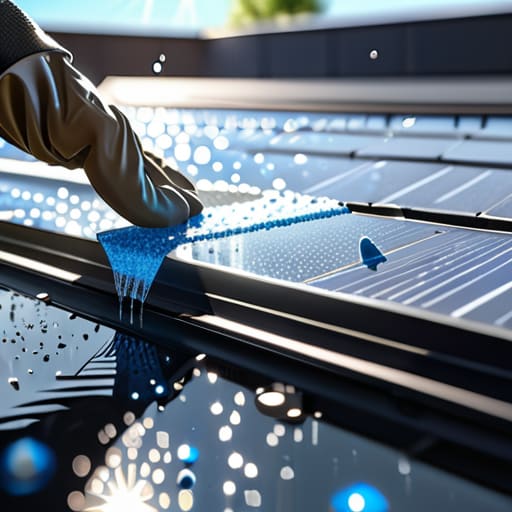
I was auditing a client’s small bungalow last Tuesday when I pulled out my infrared thermometer and realized their output was tanking, not because of a faulty inverter, but because of a thick, stubborn layer of grime. It’s frustrating how many “experts” try to sell you expensive, monthly professional washing services like it’s some mandatory subscription. The truth is, there is no one-size-fits-all answer to solar panel cleaning frequency, and following a rigid, pre-set schedule is often just a way to drain your bank account for no reason.
I’m not here to sell you a cleaning kit or a service contract; I’m here to help you reclaim your margins. In this guide, I’m stripping away the marketing fluff to give you a practical, data-driven approach to knowing exactly when your panels need attention. You’ll learn how to monitor your own system’s performance and determine the ideal solar panel cleaning frequency based on your specific environment. My goal is to make sure you’re getting every single watt you paid for without wasting a dime on unnecessary maintenance.
Table of Contents
The Hidden Cost of Photovoltaic Cell Debris Removal
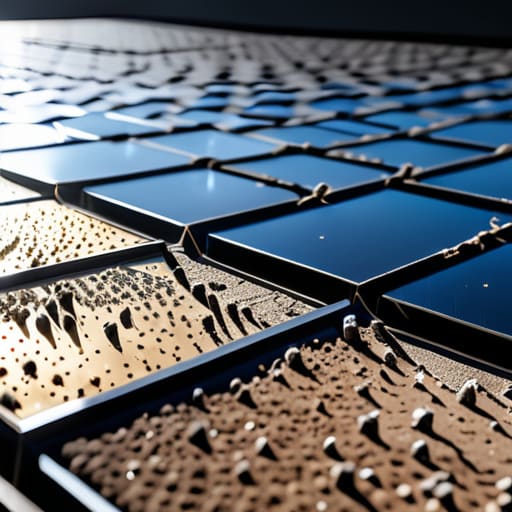
When I’m out on a site audit, I often see people treating solar panels like they’re “set it and forget it” appliances. That’s a mistake. The real issue isn’t just the dirt you can see; it’s the cumulative solar panel efficiency loss that happens when you ignore the buildup. If you let a layer of grime settle, you aren’t just looking at a dirty roof—you’re looking at a direct hit to your ROI. Every bit of debris acts like a tiny shroud, preventing photons from actually hitting the cells, which means you’re paying for hardware that isn’t performing at its peak.
It’s also about the specific types of mess. I’ve seen cases where bird droppings on solar panels caused localized “hot spots.” This isn’t just about a drop in output; it can actually cause physical damage to the cells due to uneven heating. Whether it’s fine silt from a dry summer or pollen in the spring, the impact of dust on solar output is a silent thief. You might not notice a 2% dip in your monthly generation, but over a year, those small losses add up to a significant amount of wasted money.
How Dust on Solar Output Drains Your Wallet
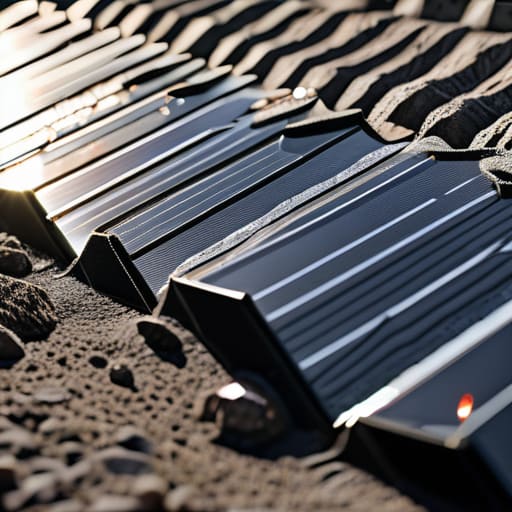
I’ve seen this play out during my audits more times than I’d like: a homeowner is frustrated that their system isn’t hitting the promised numbers, only for me to point my infrared thermometer at a layer of grime they didn’t even notice. It’s not just about aesthetics; it’s about the math. When dust accumulates, it creates a physical barrier that prevents photons from reaching the silicon. This solar panel efficiency loss isn’t a sudden drop, but a slow, agonizing leak in your potential savings. Every millimeter of grit acts like a tiny shade, forcing your inverter to work harder for less juice.
Think of it like trying to breathe through a thick cloth—you’re still getting air, but it’s nowhere near optimal. The impact of dust on solar output can vary wildly depending on your local environment, but the financial drain is constant. If you live in a dry, windy area, that buildup happens fast. If you ignore it, you’re essentially paying a “dirt tax” every single month through higher utility bills and diminished ROI. It’s a simple, preventable drain on your wallet.
My Practical Checklist for Staying on Top of the Grime
- Check your output after heavy pollen seasons; if you live near trees, that yellow dust settles like a blanket and can tank your efficiency overnight.
- Don’t just guess—keep a simple log of your energy production versus the weather, because a sudden dip on a sunny day is a dead giveaway that your panels are dirty.
- Use my favorite trick and grab a soft squeegee or a microfiber cloth; avoid high-pressure washers at all costs, as they can crack the glass or ruin the seals.
- Timing is everything; always clean your panels in the early morning or late evening when they are cool to prevent the glass from thermal shock and cracking.
- Watch out for “bird bomb” zones; if you have a lot of local wildlife, you’ll need to spot-clean those specific acidic spots immediately before they etch into the surface.
Quick Wins for Your Solar Maintenance
Don’t wait for a massive drop in power to act; a quick rinse every few weeks can prevent a slow, expensive leak in your energy production.
Think of cleaning as a direct investment in your utility bills rather than a chore—less grime means more kilowatt-hours for the same amount of sunlight.
Keep it simple and safe; you don’t need fancy equipment to stop dust from stealing your savings, just a bit of consistency and a bit of water.
The Real Cost of Neglect
“I’ve seen too many people treat solar panels like ‘set it and forget it’ tech, but if you’re ignoring the grime buildup, you’re basically paying a monthly tax to the dust sitting on your roof.”
Tobias Nkemdirim
Don't Leave Your Savings to Chance

At the end of the day, keeping your solar panels clean isn’t just about aesthetics; it’s about protecting your investment and ensuring every photon counts. We’ve looked at how dust, bird droppings, and even pollen act like a physical barrier between your panels and the energy they’re meant to harvest. If you wait until the output visibly drops, you’ve likely already lost money. By establishing a consistent cleaning schedule—whether that’s a quick rinse every few months or a deep clean after a particularly dusty season—you prevent that slow, invisible drain on your wallet. It’s a small, proactive step that keeps your efficiency high and your utility costs predictably low.
I know that managing a home can feel like a constant battle against rising costs and environmental guilt, but this is one area where you actually have total control. You don’t need a massive budget or high-tech equipment to make a difference; you just need to be observant. When we stop treating energy as an infinite, free resource and start treating it as something precious that needs to be captured correctly, everything changes. Let’s stop letting preventable grime dictate our carbon footprint. Take care of your tech, and your tech will take care of you.
Frequently Asked Questions
Is it actually worth the effort to clean them if I live in an area where it rains frequently?
It’s a fair question, and honestly, it’s one I get asked a lot during audits. If you live in a rainy climate, you might think nature is doing the heavy lifting for you, but it’s rarely a perfect rinse. Rain often just moves the grime around, creating a thin, stubborn film of “mud” or pollen that actually traps more dirt. I’d still recommend a quick check every few months. Don’t let a little rain give you a false sense of security.
Can I just use a garden hose, or am I going to risk cracking the glass or damaging the cells if I do it myself?
Look, you can use a garden hose, but don’t just blast them blindly. The biggest risk isn’t the water; it’s thermal shock. If you spray ice-cold water on panels that have been baking in the midday sun, you could actually crack the tempered glass. Wait until the morning or evening when they’re cool. Also, skip the high-pressure nozzles—too much force can damage the seals. A gentle rinse and a soft brush are all you need.
How do I know if the drop in my energy production is actually due to dirt or if my inverter is starting to fail?
Before you go calling a technician and paying a hefty call-out fee, grab your phone and check your monitoring app. Look for patterns: if your output is dipping across all strings simultaneously, it’s likely just grime or shading. However, if one specific string or panel shows a sudden, sharp drop while others are fine, that’s a red flag for an inverter or wiring issue. I always check for uniform “dirt patterns” first—it’s the cheapest diagnostic tool you have.
