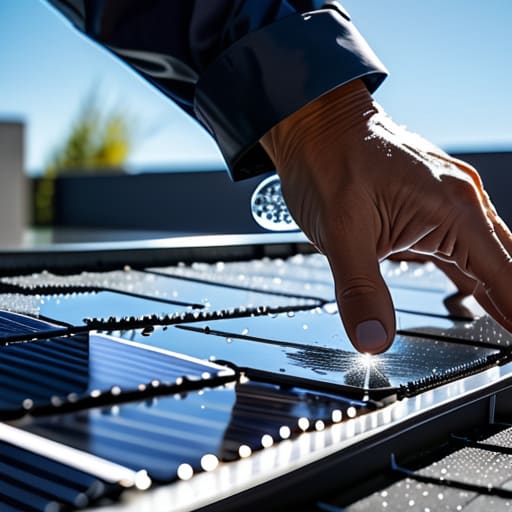
I was standing on my client’s driveway last Tuesday, pointing my infrared thermometer at a rooftop array, when I realized just how much money was literally evaporating into thin air. The panels looked fine from the ground, but the thermal readings told a different story: a thick, invisible layer of grime was choking their output. Most people think you need some expensive, high-tech service to maintain their setup, but that’s a myth that keeps your utility bills unnecessarily high. In reality, a solid solar panel cleaning guide shouldn’t cost you a fortune; it just requires a bit of strategy and the right tools to make sure you aren’t throwing money away every time the sun comes out.
I’m not here to sell you on fancy gadgets or complicated maintenance schedules that eat up your weekend. Instead, I’m going to walk you through a practical, no-nonsense approach to keeping your system running at peak efficiency without breaking the bank. We’ll cover everything from the safest cleaning solutions to the exact timing you need to avoid damaging your cells. My goal is to give you a straightforward roadmap so you can stop wasting energy and start actually seeing the savings you were promised when you went solar.
Table of Contents
- Step-by-Step Instructions
- Mastering Solar Panel Efficiency Maintenance Without Breaking the Bank
- The Best Time of Day to Clean Solar Panels Safely
- 5 Pro-Tips to Keep Your Efficiency High and Your Costs Low
- The Bottom Line: Keep Your Energy Gains from Slipping Away
- ## Efficiency isn't just about the tech
- Don't Let Your Investment Gather Dust
- Frequently Asked Questions
Guide Overview
Tools & Supplies
- Soft-bristle brush or squeegee for debris removal
- Garden hose with spray nozzle for rinsing
- Telescopic pole for reaching rooftop panels
- Deionized or distilled water (optional for spot prevention)
- Mild, non-abrasive soap (1 small bottle)
- Microfiber cloths (2-3 cloths)
Step-by-Step Instructions
- 1. First, grab your gear and check the weather. You want to do this on a cool, overcast morning or late in the evening. If you try to clean your panels while the sun is beating down, the water will evaporate almost instantly, leaving behind streaks of mineral deposits that actually block more light.
- 2. Before you even touch the glass, give them a quick rinse with a garden hose. This isn’t about deep cleaning yet; it’s about loosening the heavy grit, bird droppings, and dried leaves. If you start scrubbing immediately without this step, you’ll likely end up scratching the surface with the very dirt you’re trying to remove.
- 3. Fill up a bucket with lukewarm water and add a tiny bit of mild, biodegradable soap. Avoid anything harsh like dish detergents with heavy degreasers or abrasive cleaners; these can leave a filmy residue on the panels that actually attracts more dust in the long run.
- 4. Use a soft-bristled brush or a squeegee designed specifically for solar panels. I always tell my clients to avoid using anything abrasive, like a kitchen sponge, because even micro-scratches can reduce the efficiency of your cells over time. Work in gentle, circular motions to dislodge the stubborn grime.
- 5. If you’re dealing with particularly nasty spots—like dried bird lime—don’t reach for the chemicals. Instead, let the soapy water sit on the spot for a minute to soften the mess before you gently scrub. It’s much more effective than trying to force it off with sheer pressure.
- 6. Once you’ve finished scrubbing, do a final rinse with clean water. Make sure you rinse from the top down to ensure all the soap suds are completely gone. You want to see a crystal-clear surface once the water clears, otherwise, you’re just setting yourself up for a new layer of buildup.
- 7. Finally, take a quick look at your monitoring app or your meter. A clean panel should show an immediate uptick in output. If you don’t see a bump in your production numbers, you might have a deeper issue, or perhaps there’s still a layer of film preventing the light from hitting those cells properly.
Mastering Solar Panel Efficiency Maintenance Without Breaking the Bank
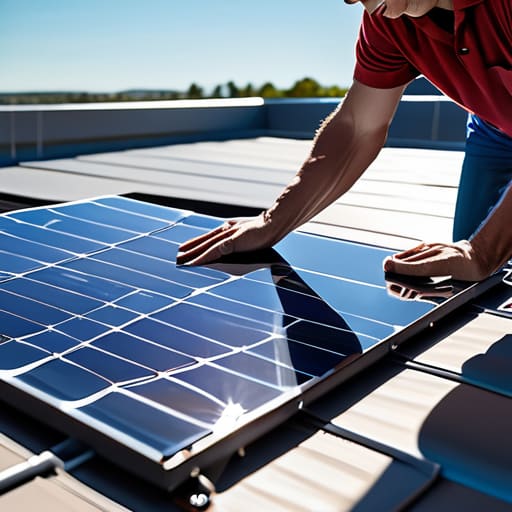
Look, you don’t need to hire a professional crew every month to keep your setup running well. Most people think they need expensive, specialized gear, but effective solar panel efficiency maintenance is actually quite low-tech if you’re smart about it. The biggest mistake I see is people scrubbing too hard or using abrasive sponges. You have to be careful about preventing micro-cracks during cleaning; those tiny fractures are invisible to the eye but can absolutely wreck your energy output over time. Stick to soft brushes or even just a microfiber cloth to avoid any structural damage.
Timing is also everything. I always tell my clients that the best time of day to clean solar panels is early morning or late evening when the glass isn’t baking in the sun. If you spray cold water onto a scorching hot panel, you risk thermal shock, which is a nightmare for the cells. Also, if you’re dealing with stubborn spots like removing bird droppings from solar panels, don’t just scrape at them. Let some water soak the mess first to soften it up, then gently rinse it away. It’s about being methodical, not forceful.
The Best Time of Day to Clean Solar Panels Safely
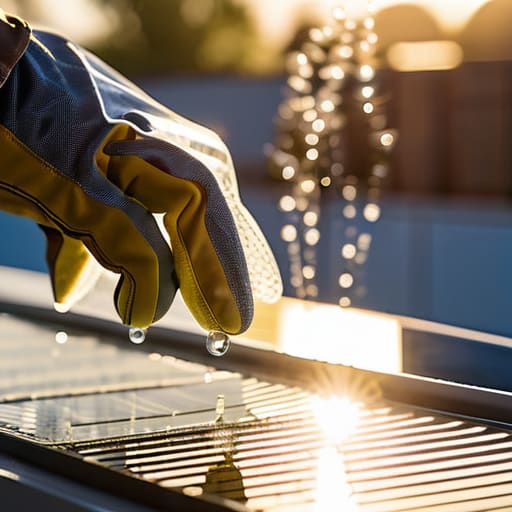
Timing is everything here, and it’s not just about your schedule—it’s about physics. I always tell my clients to avoid cleaning during the peak heat of the day. If you spray cold water onto glass that’s been baking under the midday sun, you risk thermal shock. This can lead to structural damage, and preventing micro-cracks during cleaning should be at the top of your priority list if you want these panels to last decades.
The sweet spot is usually early morning or late evening when the panels are cool to the touch. Not only is this safer for the hardware, but it also gives you a better window to work without getting heat exhaustion yourself. When you’re using different solar panel rinse methods, doing it during these cooler hours ensures the water doesn’t evaporate instantly, which helps you avoid those annoying, streaky mineral deposits left behind by hard water. Stick to the twilight hours; your panels (and your wallet) will thank you for the extra care.
5 Pro-Tips to Keep Your Efficiency High and Your Costs Low
- Ditch the harsh chemicals; a simple solution of water and a tiny bit of mild soap is all you need to avoid leaving a residue that actually attracts more dust later.
- Never use a pressure washer unless you want to crack a cell; the force is way too intense for the glass and can cause micro-fractures that kill your output.
- Watch out for hard water spots; if your tap water is heavy on minerals, use distilled water for the final rinse so you aren’t leaving behind a film that blocks the sun.
- Use soft-bristled tools like a squeegee or a microfiber cloth to prevent scratching the anti-reflective coating, which is vital for catching every bit of light.
- Don’t forget the surrounding area; trimming back overgrown branches or clearing debris from near your panels ensures they aren’t sitting in permanent shade.
The Bottom Line: Keep Your Energy Gains from Slipping Away
Don’t let a layer of grime or dust act like a tax on your electricity; regular cleaning is the simplest way to ensure your panels actually produce what you paid for.
Prioritize safety and efficiency by cleaning during the cooler parts of the day to avoid thermal shock to the glass and to keep yourself from overheating.
You don’t need expensive professional services to see results—staying on top of basic maintenance with a little water and a soft brush is enough to stop wasting money.
## Efficiency isn't just about the tech
“A layer of dust might look harmless, but it’s basically a tax on your sunlight. If you aren’t keeping those panels clean, you’re paying for energy you’ve already harvested but simply aren’t letting into your home.”
Tobias Nkemdirim
Don't Let Your Investment Gather Dust
At the end of the day, keeping your solar setup running smoothly doesn’t require a massive budget or a professional crew. It really comes down to the basics: timing your cleaning for the cooler parts of the day to avoid thermal shock, using the right gentle tools, and staying consistent with your checks. I’ve seen too many people let a thin layer of grime or bird droppings act like a shroud over their savings, quietly dragging down their energy output day after day. By spending just a little bit of time on regular maintenance, you ensure that every ray of sunlight is actually being converted into power rather than being lost to inefficiency.
Transitioning to solar is a huge step toward independence, but it isn’t a “set it and forget it” situation. It’s an active part of managing your home’s ecosystem. I truly believe that sustainable living is about stewardship—taking care of the tools we use to power our lives. When you take the time to clean those panels, you aren’t just cleaning glass; you are maximizing your ROI and honoring the commitment you made to the planet. Keep that infrared thermometer handy, stay observant, and remember that small, intentional actions are what ultimately drive real, long-term change.
Frequently Asked Questions
Is it actually worth the effort to clean them if I live in an area where it rains frequently?
I get asked this a lot. It’s tempting to think the rain does the heavy lifting for you, but that’s a bit of a myth. Rain is great for rinsing away loose dust, but it’s terrible at removing bird droppings, pollen, or that stubborn, sticky grime that builds up over time. If those spots sit there, they create “hot spots” that kill your efficiency. A quick manual wipe ensures you aren’t leaving money on the table.
Can I just use my garden hose, or am I going to risk damaging the cells with too much pressure?
A garden hose is fine, but you need to be careful with the pressure. I’ve seen enough DIY jobs go wrong to know that a high-pressure nozzle can actually force water into the seals or crack the glass. Stick to a standard spray setting—nothing aggressive. If you can’t clean it with a gentle flow, you’re using too much force. Keep it low-pressure, keep it steady, and you won’t risk damaging the cells.
How often should I actually be checking my output to know if they're dirty enough to warrant a cleaning?
I don’t like guessing, so I usually check my monitoring app once a month. If you see a steady, gradual dip in your daily kilowatt-hour production that doesn’t align with the weather, that’s your red flag. Don’t wait for a massive drop; if your output looks sluggish on a clear, sunny day, your panels are likely choking on dust or grime. Catch it early before that efficiency loss starts eating your budget.
