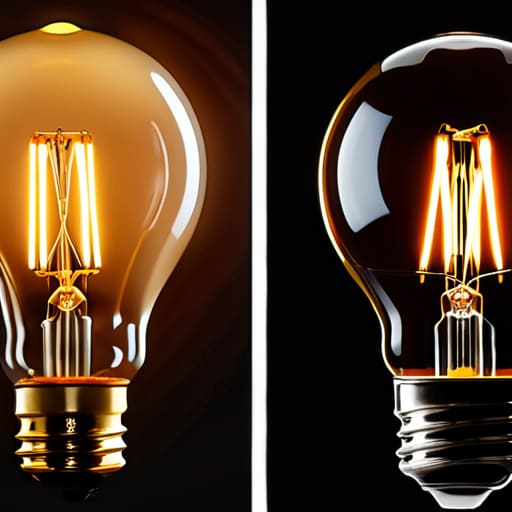
I still remember sitting in my old rental apartment, shivering in the dark because I was too terrified to flip the light switch and watch my utility bill spike. It’s a frustrating cycle: you want a bright, warm home, but every time you turn on an old bulb, you feel like you’re literally burning cash. Most people I talk to are stuck in this loop, caught in the middle of the led lighting vs incandescent debate, unsure if the upfront cost of new tech is actually worth the headache. They see the different price tags and the confusing lumens, and they just end up sticking with what they know—even if it’s costing them a fortune.
I’m not here to sell you on some expensive, high-tech lifestyle you can’t afford. My goal is to give you the straight facts based on actual energy audits and my own experience. I’ll break down the real-world math so you can see exactly how much these bulbs impact your monthly budget and your carbon footprint. By the end of this, you’ll know how to make the switch without breaking the bank, ensuring your home stays bright without draining your wallet.
Table of Contents
Incandescent Lighting

Incandescent bulbs are the traditional light sources we’ve all grown up with, functioning by passing an electric current through a thin tungsten filament until it gets hot enough to glow. Their primary selling point has always been the warm, familiar amber light they produce, which many people find cozy and natural for living spaces.
But honestly, from an energy auditing perspective, these bulbs are a massive leak in your budget. I remember sitting in my old rental apartment, shivering because the heater couldn’t keep up, only to realize my old lighting setup was basically acting like a collection of tiny, inefficient space heaters. When you compare led lighting vs incandescent options, the incandescent bulb is the clear loser because it converts about 90% of its energy into heat rather than actual light. You aren’t just paying for illumination; you’re paying to waste electricity as thermal energy that you probably don’t even want in your room.
LED Lighting
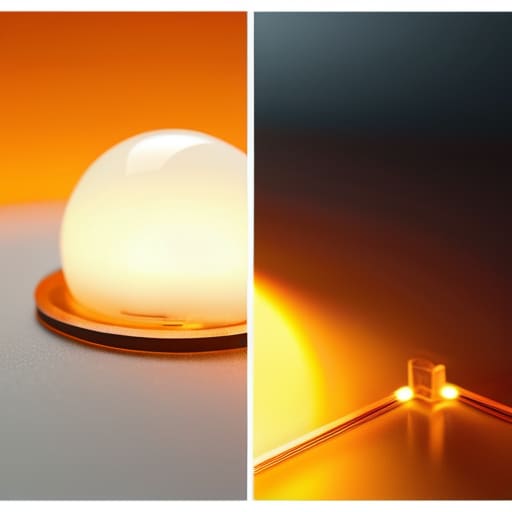
LED, or Light Emitting Diode, lighting is a semiconductor-based technology that produces light by moving electrons through a specialized material, offering extreme energy efficiency. The core advantage is its ability to provide high-quality brightness while consuming a fraction of the power required by older technologies.
In my line of work, switching to LEDs is the “low-hanging fruit” I recommend to almost every client I audit. It’s not just about the technical specs; it’s about the immediate relief in your monthly utility bill. When I’m looking at the data for led lighting vs incandescent usage, the numbers are staggering. Using LEDs means you can light up your entire home without the guilt of a spiking electric bill or a massive carbon footprint. It’s one of those rare upgrades where the technology actually pays for itself remarkably fast, making sustainability feel less like a luxury and more like a practical financial win.
Comparison of LED Lighting vs. Incandescent Bulbs
| Feature | LED Lighting | Incandescent Bulbs |
|---|---|---|
| Lifespan | 25,000+ hours | 1,000 hours |
| Energy Efficiency | Very High | Low |
| Initial Cost | Higher | Lower |
| Heat Emission | Minimal | Significant |
| Best For | Long-term savings and sustainability | Low-budget temporary use |
| Durability | High (Solid-state) | Low (Glass filament) |
Comparing Energy Consumption to Shrink Your Monthly Bills
Look, I’ve spent way too many hours in drafty apartments watching utility meters spin like they’re possessed. When you’re looking at lighting, the energy consumption isn’t just a technical spec on a box; it’s the difference between a manageable monthly bill and a constant financial leak. If you’re still using old-school bulbs, you’re essentially paying a premium just to heat your air instead of lighting your room.
The math here is honestly pretty brutal for incandescents. Those old bulbs are incredibly inefficient because they convert about 90% of their energy into heat rather than actual light. On the flip side, LEDs are built for precision; they use a fraction of the wattage to produce the same—if not better—lumens. I’ve seen it firsthand with my infrared thermometer: an incandescent bulb is a tiny, glowing heater that wastes electricity by design.
When it comes strictly to shrinking your monthly overhead, there is no contest. LEDs are the undisputed winner here. They allow you to keep your home bright without bleeding money through your light sockets every single month.
Why Lifespan of Led vs Incandescent Changes Everything
When I’m auditing a home, I don’t just look at the immediate power draw; I look at the replacement cycle. Most people forget that every time a bulb burns out, you aren’t just losing light—you’re losing the money you spent on the bulb, the time it took to climb a ladder, and the waste sent to a landfill. Lifespan is the hidden metric that determines whether your lighting setup is a long-term asset or a constant drain on your wallet.
Incandescent bulbs are notoriously fragile, usually fizzling out after about 1,000 hours of use. If you’re using them in a high-traffic area like a hallway, you’ll find yourself replacing them constantly. On the flip side, a decent LED can easily clock 25,000 to 50,000 hours. That means while you’re busy replacing an incandescent bulb every few months, your LED is still going strong years later.
The practical reality is that LEDs turn lighting from a recurring chore into a “set it and forget it” solution. You’re trading a slightly higher upfront cost for massive long-term savings in both hardware and effort.
The Verdict: LED wins by a landslide.
The Bottom Line: Which One Actually Wins?
Stop looking at the sticker price; LEDs cost more upfront, but they pay for themselves through massive energy savings and by not needing to be replaced every few months.
If you want to slash your monthly utility bills immediately, the math is clear: ditch the old incandescent bulbs and switch to LEDs to stop wasting power on heat.
Think long-term—switching to LEDs isn’t just a “green” move, it’s a practical way to reduce your household maintenance and stop throwing money away on constant bulb replacements.
## The Real Cost of Convenience
“I’ve spent too many hours auditing homes only to find people still burning money on old incandescent bulbs just because they’re ‘familiar.’ It’s not just about the light; it’s about the fact that you’re paying for heat you didn’t even ask for. Switching to LEDs isn’t some luxury lifestyle choice—it’s just common sense for your wallet.”
Tobias Nkemdirim
The Bottom Line
Look, the data doesn’t lie. When you stack up the numbers, the choice is pretty clear. Incandescent bulbs are essentially little heaters that happen to produce light, wasting the vast majority of their energy as heat. LEDs, on the other hand, are built for efficiency, using a fraction of the wattage to deliver the same brightness. Between the massive drop in your monthly power consumption and the fact that you won’t be climbing ladders to replace dead bulbs every few months, the math favors the LED every single time. It’s not just about being “green”; it’s about stopping the unnecessary drain on your bank account.
At the end of the day, I don’t expect you to overhaul your entire house overnight. Sustainability isn’t about perfection; it’s about making better choices where it actually counts. Swapping out those old, hot bulbs for LEDs is a small, low-effort win that yields immediate results. We often think that saving the planet requires massive, expensive investments, but real change often starts with the small stuff—the stuff you do right in your own living room. Go ahead, make the switch, and start keeping more of your hard-earned money where it belongs.
Frequently Asked Questions
If I switch all my bulbs to LEDs, will my house feel too "cold" or clinical compared to the warm glow of my old incandescent bulbs?
That’s a common fear, and honestly, it’s a valid one. If you just grab the first pack of “Daylight” LEDs you see, your living room will definitely feel like a hospital ward. But that’s not on the bulbs; it’s on the Kelvin rating. Look for “Warm White” (around 2700K) on the packaging. It mimics that cozy, amber glow of old filaments perfectly. You get the efficiency without losing the vibe.
Are there specific types of LED bulbs that work better for task lighting, like reading or cooking, versus just general room light?
For task lighting, don’t just grab any random LED. You need to look at the color temperature and CRI (Color Rendering Index). For reading or prepping food, I always recommend “Cool White” (around 4000K) with a high CRI—at least 90. It mimics daylight, which keeps you sharp and makes colors look real. Avoid “Warm White” for tasks; it’s too dim and cozy. Use those for your bedside lamp instead.
Is it actually worth buying more expensive, high-quality LEDs, or should I just go with the cheapest ones I find at the hardware store?
Don’t fall for the “cheapest is best” trap. I’ve seen too many people buy those bottom-of-the-barrel LEDs that flicker or die after three months. It’s a waste of money and a headache. If you can swing it, grab the mid-range, name-brand ones. They have better color rendering—so your living room doesn’t look like a sterile hospital—and they actually last as long as the box claims. Invest a little more now to save later.
