I still remember sitting in my old rental apartment, shivering under three layers of blankets while the radiator hissed uselessly against the draft. I’d stare at my utility bill, wondering why I was paying a premium just to heat the neighborhood through my poorly sealed walls. Most people think you need a massive, expensive renovation to fix this, but that’s a lie. The truth is that navigating the endless sea of insulation types shouldn’t feel like a high-stakes gamble with your savings. You don’t need a contractor’s degree to understand which materials actually stop the heat from escaping and which ones are just expensive marketing fluff.
I’m not here to sell you on some “miracle” product that costs a fortune. Instead, I’m going to break down the most common insulation types based on what I’ve actually seen work during my audits. My goal is to give you a practical, data-driven roadmap so you can choose the right solution for your specific space without breaking the bank. We’re going to focus on what’s efficient, what’s affordable, and what actually makes a difference in your monthly budget.
Table of Contents
- Understanding R Value Explained for Your Wallet
- Fiberglass vs Spray Foam Smart Energy Efficient Home Upgrades
- 5 Practical Ways to Pick the Right Insulation Without Breaking the Bank
- The Bottom Line on Your Insulation Strategy
- ## The Real Cost of Choosing Wrong
- Making the Right Call for Your Home
- Frequently Asked Questions
Understanding R Value Explained for Your Wallet
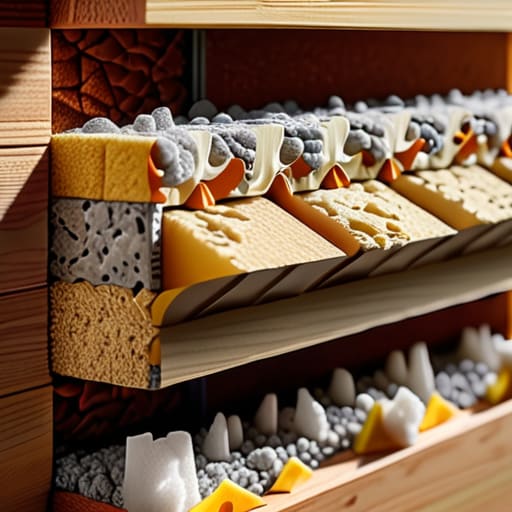
When I’m auditing a house, the first thing I do isn’t looking at the brand of the insulation; it’s looking at the R-value. If you aren’t familiar with the term, think of it as a measurement of how well a material resists heat flow. The higher the number, the better it is at keeping the warmth inside during winter and the heat outside during summer. For me, R-value explained simply means your ability to stop paying for air that’s just leaking through your walls.
But here is where people usually trip up: a higher R-value doesn’t always mean a better deal for your specific setup. You have to consider how the material is applied. For example, when comparing fiberglass vs spray foam, you aren’t just looking at the numbers on the bag; you’re looking at how well that material fills the gaps. If you have gaps, you’re losing money regardless of the rating. Understanding these insulation material properties is the difference between a one-time upgrade that actually works and just throwing cash at a problem that isn’t being solved.
Fiberglass vs Spray Foam Smart Energy Efficient Home Upgrades
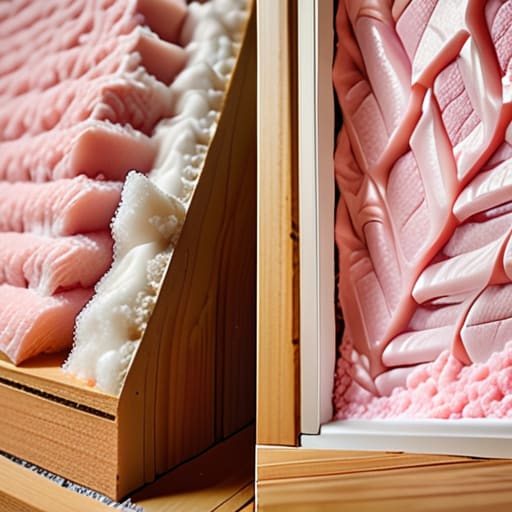
When you’re looking at fiberglass vs spray foam, it usually comes down to a trade-off between your initial budget and long-term performance. Fiberglass is the classic choice—it’s affordable, easy to find, and great for DIYers looking at quick energy efficient home upgrades. I often see it used in attic spaces, but it has a weakness: it doesn’t stop air leakage. If you just stuff batts into a wall, air can still whistle right through the gaps, which means you aren’t actually reducing heating costs as much as you think you are.
Spray foam is a different beast entirely. It acts as both an insulator and an air barrier, which is a massive advantage for thermal bridging prevention. Because it expands to fill every tiny nook and cranny, it creates a much tighter seal than fiberglass ever could. It’s definitely more expensive upfront, but if you’re trying to stop wasting money on a house that feels drafty, the airtightness of spray foam is hard to beat. I usually tell my clients that if they can swing the cost, the superior seal is worth the investment for permanent efficiency.
5 Practical Ways to Pick the Right Insulation Without Breaking the Bank
- Don’t get distracted by fancy marketing; focus on the R-value that actually makes sense for your specific climate and the area of the house you’re insulating.
- Use a cheap handheld infrared thermometer to find exactly where the cold is creeping in before you start buying materials—don’t waste money insulating walls that aren’t actually leaking heat.
- Consider the “retrofit factor”—if you’re working with tight spaces or old wiring, blown-in cellulose is often way more practical and less invasive than trying to jam rigid foam boards into existing cavities.
- Prioritize your “thermal envelope” by tackling the attic first; it’s usually the biggest source of heat loss and offers the fastest return on your investment.
- Always account for air sealing alongside your insulation choice; even the best insulation in the world won’t do much if drafts are just blowing right past it through small gaps.
The Bottom Line on Your Insulation Strategy
Don’t get blinded by high R-values alone; you need to match the insulation type to your specific home’s layout and your actual budget to see a real return on investment.
Stop treating insulation as a “one size fits all” fix—while spray foam is great for sealing air leaks, fiberglass is often the more practical, low-cost choice for many standard renovations.
Think of insulation as a long-term financial tool, not just an environmental one; every cent you spend now on the right materials is a direct reduction in your monthly utility bills.
## The Real Cost of Choosing Wrong
“Don’t let the technical jargon intimidate you; picking the wrong insulation isn’t just a DIY mistake, it’s a long-term tax on your bank account every time the seasons change.”
Tobias Nkemdirim
Making the Right Call for Your Home
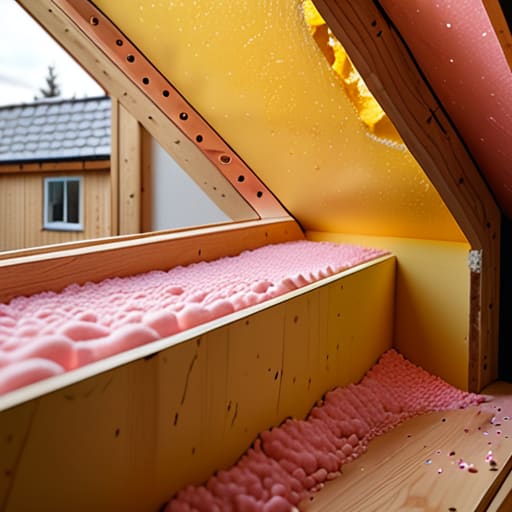
At the end of the day, choosing between fiberglass, cellulose, or spray foam isn’t about finding the “perfect” material—it’s about finding the right fit for your specific budget and the gaps in your walls. We’ve looked at how R-values translate directly to your monthly utility costs and how different materials tackle heat transfer in unique ways. Whether you decide to go with a DIY-friendly fiberglass batt or invest more upfront in a high-performance spray foam, the goal remains the same: stopping the energy leaks that are currently draining your bank account. Don’t let the technical jargon paralyze you; just focus on where your heat is escaping and pick the most cost-effective way to plug those holes.
I know that tackling home efficiency can feel overwhelming, especially when you’re staring at a list of technical specs and price tags. But I promise you, every bit of insulation you add is a win for both your wallet and the planet. You don’t need to turn your house into a high-tech laboratory to make a difference; you just need to stop wasting energy simply because it’s the path of least resistance. Start small, be intentional, and watch how those tiny, smart changes turn your living space into something truly sustainable.
Frequently Asked Questions
How do I know which insulation type is actually worth the upfront cost for my specific house?
To figure this out, you have to look past the price tag and look at your home’s “leaks.” I always grab my infrared thermometer for this. If you have a drafty, older house with gaps in the walls, spray foam might be worth the premium because it seals everything at once. But if you’re just topping up an attic, fiberglass is your best bet. Focus on where the heat is actually escaping first.
Can I add more insulation to my existing walls without tearing everything down?
The short answer is yes, you don’t have to gut your house to fix a thermal leak. If you have access to an attic or crawlspace, blowing in loose-fill cellulose is a massive win for your wallet. For actual walls, you can look into “drill and fill” methods where small holes are made to inject foam or insulation. It’s less invasive than a full renovation and way more effective than just living with the draft.
Are there any eco-friendly or natural insulation options that don't break the bank?
You definitely don’t have to rely on heavy synthetics to go green. I’ve been looking into sheep’s wool and hempcrete lately; they’re incredible for moisture regulation and have a much lower embodied carbon footprint. If you’re on a tighter budget, even recycled cellulose—basically shredded old newspapers treated for fire resistance—is a massive win. It’s affordable, keeps waste out of landfills, and does a killer job of plugging those heat leaks I’m always hunting for.
