
I still remember sitting in my old rental apartment three years ago, shivering under three layers of blankets while the heater hummed uselessly in the corner. I’d check my infrared thermometer, and the readings were brutal—heat was literally escaping through every tiny gap and poorly placed vent. Most people think you need to gut your house with a massive HVAC overhaul to fix your ventilation efficiency, but that’s a total myth designed to separate you from your paycheck. You don’t need a high-tech, thousand-dollar system to stop the draft; you just need to understand how air actually moves through your specific space.
I’m not here to sell you on expensive, shiny gadgets that promise the world but deliver nothing. Instead, I’m going to show you how to audit your own airflow using practical, low-cost tweaks that actually work. We’re going to look at the data, find the leaks, and get your home breathing properly without draining your bank account. My goal is simple: to help you master your home’s environment so you can stop wasting money and start living comfortably.
Table of Contents
- Slash Your Hvac Energy Consumption Without Luxury Upgrades
- Smart Moisture Management in Buildings to Protect Your Wallet
- 5 Low-Cost Fixes to Stop Wasting Air and Money
- The Bottom Line on Efficient Ventilation
- The Real Cost of "Fresh" Air
- Stop Paying to Heat the Neighborhood
- Frequently Asked Questions
Slash Your Hvac Energy Consumption Without Luxury Upgrades

Most people think the only way to fix a stuffy or inefficient house is to drop five figures on a new smart HVAC system. That’s just not true. I’ve audited enough homes to know that your biggest problem usually isn’t the machine itself, but how the air actually moves through your space. If your vents are blocked by furniture or your filters are caked in dust, your system is working twice as hard to move half the air. Focusing on effective airflow distribution is the easiest win; make sure your supply and return vents are completely unobstructed so the air can actually circulate instead of fighting against itself.
Another thing I notice constantly is how people ignore the connection between air movement and humidity. If you don’t manage your humidity levels, your HVAC unit will run non-stop just trying to dehumidify the air, which spikes your HVAC energy consumption through the roof. It’s not about buying high-tech gadgets; it’s about smart moisture management. A simple dehumidifier in a damp basement or better control over your bathroom fans can do more for your monthly bill than a luxury thermostat ever will.
Smart Moisture Management in Buildings to Protect Your Wallet
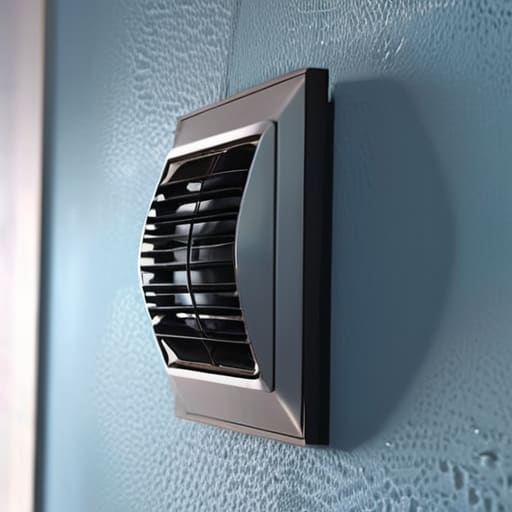
Most people don’t realize that humidity is a silent killer for their bank account. When your indoor air gets too damp, your HVAC system has to work overtime just to pull moisture out of the air, which spikes your energy bills. I’ve seen it a dozen times during audits: high humidity levels making a room feel “heavy” and warm, even when the thermostat says it’s cool. Proper moisture management in buildings isn’t just about comfort; it’s about preventing that constant, expensive battle between your heater and the dampness in the air.
To get this right, you need to look beyond just turning on a dehumidifier. It’s about ensuring you have effective airflow distribution so that stagnant, moist pockets don’t settle in corners or behind furniture. If you can manage the moisture levels, you’ll notice your heater doesn’t have to fight against “wet” air, which is much harder to heat than dry air. It’s a small shift in how you view your home’s climate, but it’s one of the most direct ways to stop wasting money on cooling and heating things that shouldn’t be happening in the first place.
5 Low-Cost Fixes to Stop Wasting Air and Money
- Seal the gaps around your windows and doors with simple weatherstripping. I’ve used my infrared thermometer more times than I can count to find those tiny, invisible drafts that are basically just throwing your heating budget out into the street.
- Clean your vent covers and intake grilles regularly. It sounds basic, but a layer of dust acts like a barrier, forcing your system to work twice as hard to move the same amount of air, which is a massive waste of electricity.
- Time your natural ventilation. Instead of leaving a window cracked all day, open them wide for just fifteen minutes during the coolest part of the morning to flush out stale air, then seal them tight to trap the temperature you actually want.
- Check your bathroom and kitchen exhaust fans. If they’re running constantly or making a weird grinding noise, they’re likely inefficient and pulling conditioned air out of your house faster than it can be replaced.
- Use window films during the peak of winter. It’s a cheap, clear plastic layer you apply to the glass that adds an extra insulating barrier, helping to keep the heat inside the room rather than letting it escape through single-pane glass.
The Bottom Line on Efficient Ventilation
You don’t need a high-end smart home system to see results; focus on the basics like cleaning your vents and sealing obvious drafts to stop paying for air that’s just escaping.
Balance is everything—improper ventilation leads to moisture buildup that damages your home, while over-ventilating just drains your wallet through your HVAC system.
Think of ventilation as a way to manage your environment, not just move air; small, intentional adjustments to airflow can significantly cut your monthly energy bills.
The Real Cost of "Fresh" Air
Most people think they’re just letting in a breeze, but when your ventilation is poorly managed, you’re actually just paying to heat the sidewalk or cool the street. Efficiency isn’t about sealing yourself in a plastic box; it’s about making sure the air you pay for actually stays where it belongs.
Tobias Nkemdirim
Stop Paying to Heat the Neighborhood
At the end of the day, fixing your ventilation isn’t about installing a high-tech, thousand-dollar smart system that you’ll never learn how to use. It’s about the fundamentals: managing your airflow, keeping your moisture in check, and ensuring your HVAC isn’t working overtime just to fight against a leaky window or a blocked vent. We’ve looked at how small tweaks to your ventilation and smart moisture management can drastically cut down your monthly overhead without needing a massive renovation budget. If you take care of the air moving through your home, your home will take care of your wallet.
I know it can feel overwhelming when you look at your utility bills and see those numbers climbing, but remember that sustainability isn’t a luxury reserved for the wealthy. It’s a series of practical, intentional choices. Every time you seal a gap or optimize a vent, you’re reclaiming a bit of your hard-earned money and reducing your footprint at the same time. Don’t feel like you have to fix everything by tomorrow morning; just pick one small thing, grab your tools, and start making your space work for you instead of against you.
Frequently Asked Questions
I've noticed drafts around my windows, but how do I know if it's a ventilation issue or just a bad seal?
Here’s how I figure it out: grab that infrared thermometer I always carry. If you point it at the window frame and see a massive temperature drop compared to the glass itself, you’re looking at a bad seal. That’s a localized leak. But if the whole room feels “stale” or the air feels heavy despite the window being shut tight, you’ve likely got a ventilation imbalance. One is a hole; the other is a flow problem.
Will adding more ventilation actually make my heating bill go up in the winter?
Short answer: Yes, if you’re just opening windows and letting the heat escape. But that’s not what I mean by “ventilation.” If you’re talking about controlled airflow—like using a heat recovery ventilator (HRV)—you actually save money. It swaps stale, damp air for fresh air while keeping the warmth trapped inside. The goal isn’t to replace your heating with a breeze; it’s to stop your house from “breathing” through expensive cracks in the walls.
Are there cheap, DIY ways to monitor my indoor air quality without buying expensive smart sensors?
Look, you don’t need a $300 smart sensor to know if your air is stale. Start with the “window fog test”—if your windows are sweating in the morning, your humidity is too high and you’re risking mold. Next, use your nose; if a room smells musty or stuffy, your air exchange is failing. Even a cheap hygrometer from a hardware store gives you the data you need to act without the tech bloat.
