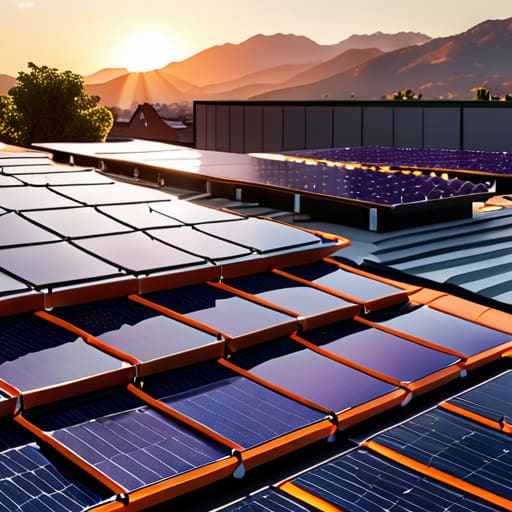
I remember sitting in my old rental apartment, staring at a utility bill that felt like a personal insult, while the wind whistled through gaps I couldn’t afford to seal. It’s that same frustration I see now when people dive into the world of renewables. You’ll see companies pitching these massive, high-tech setups that cost more than a used car, claiming they’re the only way to achieve real solar panel efficiency. Honestly? It’s mostly marketing fluff designed to separate you from your savings. You don’t need a PhD or a massive inheritance to stop wasting sunlight; you just need to understand how your specific setup is actually performing.
I’m not here to sell you on some futuristic, overpriced dream. My goal is to give you the straightforward truth based on the data I collect during my audits and the practical tweaks I use in my own projects. We’re going to look at how to squeeze every possible watt out of your system without breaking the bank. I’ll show you how to identify the real bottlenecks and make small, smart changes that actually move the needle on your monthly costs.
Table of Contents
- Monocrystalline vs Polycrystalline Efficiency Choosing What Saves You Money
- Improving Photovoltaic Performance Without Spending a Fortune
- 5 Low-Cost Ways to Keep Your Solar Output from Tanking
- The Bottom Line on Solar Efficiency
- Efficiency isn't about the highest number on a spec sheet
- The Bottom Line on Solar Efficiency
- Frequently Asked Questions
Monocrystalline vs Polycrystalline Efficiency Choosing What Saves You Money
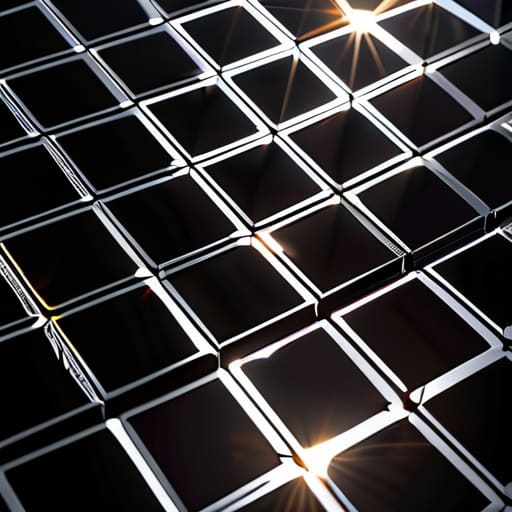
When you’re looking at a spec sheet, the first thing that’s going to jump out at you is the difference between monocrystalline and polycrystalline cells. From my experience auditing setups, the biggest distinction is the solar cell conversion rate. Monocrystalline panels are made from a single, continuous crystal structure, which means they’re more efficient at turning sunlight into usable electricity. If you have limited roof space—maybe you’re in a tight urban rental or a small cottage—you want these. They pack more punch per square inch, even if the upfront cost is a bit steeper.
Polycrystalline panels, on the other hand, are made by melting multiple silicon crystals together. They look a bit more “marbled” and usually come with a lower price tag, which is great for tight budgets. However, because their efficiency is slightly lower, you’ll need more physical space to generate the same amount of power as a mono setup. It really comes down to a math problem: are you willing to pay more now to save more on your monthly bills later, or is the lower initial investment more important for your current cash flow?
Improving Photovoltaic Performance Without Spending a Fortune
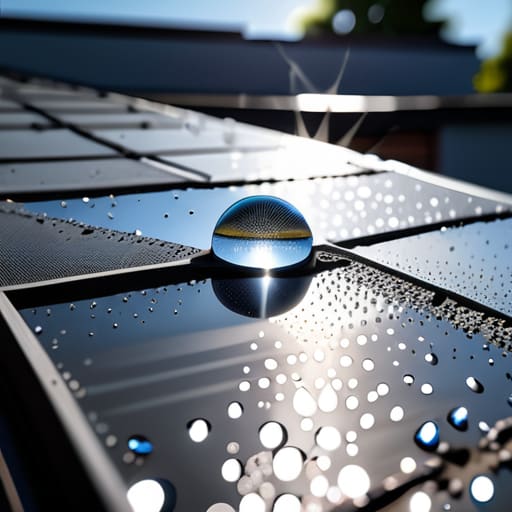
Most people think that once the panels are on the roof, the work is done. That’s a mistake. If you want to actually see a return on your investment, you have to look at the small, practical things that influence your daily output. One of the biggest culprits I see during audits is simple dust and debris buildup. It sounds trivial, but a layer of grime can significantly drop your solar cell conversion rate over a few months. I usually tell my clients that a quick rinse with a hose twice a year is often enough to keep things running at peak levels without hiring a professional cleaning crew.
Another thing to watch is shade. Even a small branch from a nearby tree casting a shadow over a single corner of a panel can throw off the entire string’s performance. It’s not just about the sun hitting the glass; it’s about managing the factors affecting solar energy yield in your specific microclimate. You don’t need high-tech sensors to notice this—just keep an eye on your monitoring app. If you see a sudden dip in production on a clear day, go outside and check for shadows or bird droppings. It’s about being observant, not expensive.
5 Low-Cost Ways to Keep Your Solar Output from Tanking
- Keep the dust off. It sounds basic, but a layer of grime or even bird droppings can act like a literal blanket, blocking the light your cells are starving for. A quick rinse with water once a month can actually make a measurable difference in your daily yield.
- Watch your shade game. I’ve audited plenty of setups where a single overgrown tree branch was cutting the efficiency of an entire string of panels. If a shadow hits even a small part of a panel, it can bottleneck the energy flow for the whole system.
- Mind the temperature. It’s a common misconception that heat is your friend; actually, solar panels are like most electronics—they hate getting too hot. If you’re installing new ones, make sure there’s enough airflow underneath them to keep them from overheating and losing voltage.
- Check your wiring and connections. I always carry my thermometer to look for hot spots, but you should be looking for “cold” spots in your energy production. Loose or corroded connections create resistance, and resistance is just another word for wasted money.
- Angle matters more than you think. If your panels are fixed in place, you’re stuck with them, but if you have an adjustable mount, tilt them toward the sun as the seasons change. Even a few degrees of adjustment can stop you from letting good sunlight go to waste.
The Bottom Line on Solar Efficiency
Don’t get distracted by the highest percentage numbers; focus on the long-term ROI by picking panels that actually fit your specific budget and roof layout.
Efficiency isn’t just about the hardware you buy, but how well you maintain it—keeping panels clean and well-ventilated is a zero-cost way to stop losing power.
Small, strategic tweaks to your setup can prevent massive energy waste, proving you don’t need a massive solar farm to start seeing lower utility bills.
Efficiency isn't about the highest number on a spec sheet
At the end of the day, I don’t care if a panel has a theoretical efficiency rating of 24% if it’s sitting in a corner where it can’t actually catch the sun; true efficiency is about making sure every single photon you pay for actually ends up powering your home instead of just heating up the roof.
Tobias Nkemdirim
The Bottom Line on Solar Efficiency
At the end of the day, maximizing your solar efficiency isn’t about chasing some impossible, high-tech dream; it’s about making informed, practical choices with the tools you have. We’ve looked at how picking the right panel type—like the higher-performing monocrystalline—can set your foundation, and how simple maintenance like keeping things clean can prevent unnecessary energy leaks. You don’t need a massive budget to see a real difference in your monthly utility statement. It really comes down to smart, incremental improvements that ensure every bit of sunlight hitting your roof is actually working for your wallet and the planet.
I know that transitioning to renewable energy can feel overwhelming, especially when you’re trying to balance a budget. But remember, sustainability shouldn’t be a luxury reserved for the wealthy. Every small step you take to optimize your setup is a step toward true energy independence. Whether you’re just starting your solar journey or you’re already looking for ways to squeeze more power out of your existing array, stay focused on the data and the long-term gains. You’re doing more than just lowering a bill; you’re building a smarter, more resilient way to live.
Frequently Asked Questions
Is it actually worth paying the premium for high-efficiency panels if my roof space is already limited?
If you’re working with a cramped roof, the answer is a hard yes. When space is your biggest constraint, every square inch has to earn its keep. High-efficiency panels might cost more upfront, but they pack more punch in a smaller footprint. It’s basically the difference between getting a decent return on a tiny investment versus wasting that precious real estate on low-output tech that leaves you still chasing more power.
How much does dirt or seasonal debris actually impact my daily energy yield?
It’s a bigger deal than most people realize. I’ve seen setups where a thick layer of dust or a handful of autumn leaves dropped the output by 15% or even 25%. It’s not just about the shade; it’s about how that debris disrupts the entire cell’s flow. If you’re seeing a dip in your daily yield, grab a soft brush or some water. Keeping them clear is the easiest way to stop leaking money.
Can I boost my system's efficiency by upgrading my inverter, or is that just throwing more money at the problem?
It’s a valid question, and honestly, it depends on what you’re starting with. If you’re running an old, budget-tier inverter that’s constantly running hot, you’re likely losing a significant chunk of your harvested energy to heat. Upgrading to a high-efficiency model—especially a pure sine wave inverter—can definitely squeeze more usable power out of your panels. It’s not just “throwing money” if the efficiency gain actually pays for the unit through lower losses.
