
I still remember sitting in my old rental apartment three years ago, wrapped in two blankets and staring at a space heater that was doing nothing but eating my paycheck. I’d point my infrared thermometer at the window frames, watching the numbers drop into the freezing zone, realizing that my money was literally leaking through the cracks in the walls. Most people think home weatherization requires a massive renovation budget or a team of contractors to be effective, but that’s a total myth designed to keep you spending.
I’m not here to sell you on expensive, high-tech gadgets that won’t actually move the needle on your utility bills. Instead, I’m going to show you how to approach home weatherization using a data-driven, low-cost strategy that actually works for real people. We’re going to focus on the small, high-impact tweaks—the kind I use in my own audits—to stop the energy waste without draining your bank account. You don’t need to be rich to live sustainably; you just need to stop throwing your hard-earned money out the window.
Table of Contents
Mastering Air Leakage Prevention Without Breaking the Bank
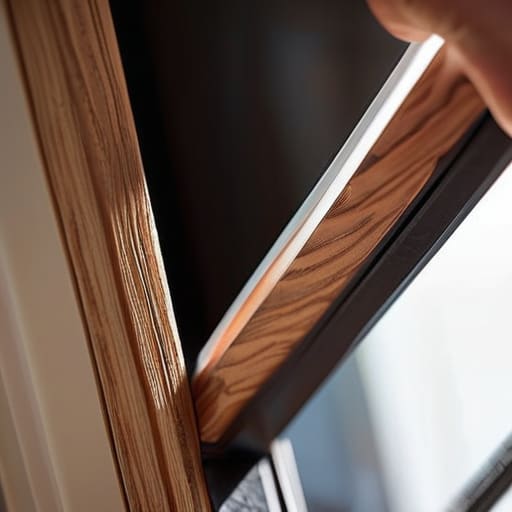
Most people think stopping drafts requires ripping out drywall or hiring a massive crew, but that’s just not true. I usually start my audits by looking at the low-hanging fruit: windows, doors, and baseboards. If you can feel a chill near your floorboards, you’ve found a prime spot for air leakage prevention. Grab some weatherstripping or even a simple door snake to block those gaps. It’s a tiny investment that makes a massive difference in how much your HVAC system has to work.
I’m a big believer in using simple draft detection methods before you spend a dime. I always pull out my infrared thermometer to scan around window frames and electrical outlets. If you see a sudden temperature drop on the screen, you’ve found a leak. Once you pinpoint those spots, a bit of caulk or expanding foam can seal them up tight. These small fixes are the most effective way to reduce heating and cooling costs without needing a massive renovation budget. It’s about being smart with what you have.
A Simple Energy Audit Checklist for Every Room

When I walk into a room for a client, I don’t just look around; I hunt for the places where money is escaping. You don’t need a professional sensor suite to start, but you do need a systematic approach. Grab a flashlight and a piece of incense or a damp hand to help with draft detection methods. Start with the “low-hanging fruit” like windows and doors. Feel for air movement around the frames and check the seals. If you feel a chill, you’ve found a leak that’s actively working against your thermostat.
Next, move your focus to the “invisible” areas: the ceiling and floor. In my experience, the biggest culprit for high bills is often a lack of attention to the attic hatch or the gaps around recessed lighting. Check your outlets on exterior walls, too—they are notorious for letting cold air seep in. Use this energy audit checklist to document every single spot where you feel a temperature shift. Identifying these specific failure points is the first step toward a meaningful thermal envelope improvement without spending a fortune on unnecessary renovations.
Small Wins: 5 Low-Cost Upgrades That Actually Move the Needle
- Stop the draft with heavy curtains. I’ve seen too many people crank the heat while cold air pours in through single-pane windows; thick, thermal-lined curtains act as a cheap barrier that keeps the warmth where it belongs—inside your living space.
- Switch to LED bulbs, but do it strategically. It’s not just about the wattage; it’s about replacing the high-draw incandescent bulbs in the rooms you actually use most, like the kitchen or living room, to cut down on constant phantom energy drain.
- Seal your outlets and switches. Most people forget that air leaks through the electrical boxes in your walls, so popping on some inexpensive foam gaskets behind the faceplates can stop that subtle, constant draft from chilling your rooms.
- Use rugs as thermal insulation. If you’re dealing with cold hardwood or tile floors, a thick rug isn’t just a decor choice—it’s a layer of insulation that helps stabilize the temperature of the room and keeps your feet from freezing.
- Optimize your thermostat settings for when you’re actually home. You don’t need a smart system to be efficient; just a simple habit of dropping the temp by a few degrees while you’re sleeping or out for the day can shave a noticeable chunk off your monthly bill.
The Bottom Line: Small Wins, Big Savings
Stop treating energy leaks like an invisible problem; use tools like an infrared thermometer or even a simple candle to find exactly where your money is escaping.
You don’t need a massive renovation to see results—focus on low-cost, high-impact fixes like weatherstripping and caulking before you even think about expensive upgrades.
Efficiency isn’t just about the environment; it’s about reclaiming your budget by stopping the habit of heating or cooling the outdoors.
## The Real Cost of Convenience
“Weatherization isn’t about buying the most expensive smart gadgets; it’s about closing the gaps we’ve been taught to ignore. Every drafty window is just a leak in your bank account, and fixing them is the smartest investment you’ll ever make.”
Tobias Nkemdirim
Making it Stick
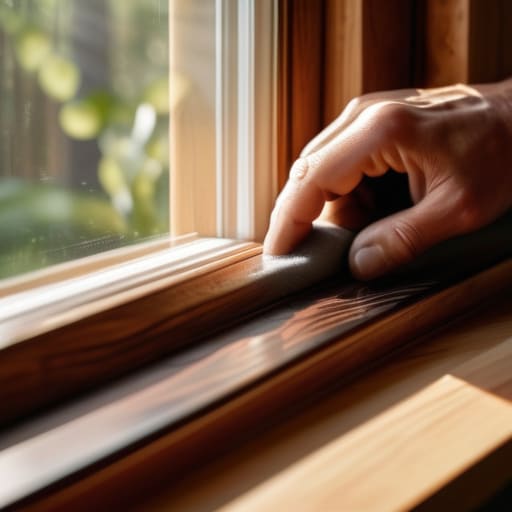
At the end of the day, weatherization isn’t about buying the most expensive smart thermostat or hiring a contractor for a full-scale renovation. It’s about the small, tactical wins we talked about: sealing those sneaky drafts around window frames, tackling the air leaks in your attic, and actually taking the time to run a proper audit in every room. When you stop the energy from leaking out of your house, you aren’t just saving a few bucks on your monthly utility bill; you are reclaiming control over your living space. By focusing on these high-impact, low-cost fixes, you turn a drafty, expensive house into a tight, efficient home that works for you, not against you.
I know it can feel overwhelming to look at a list of home improvements and wonder where to even start. But remember, you don’t have to fix everything by next weekend to make a difference. Sustainability shouldn’t be a luxury reserved for people with massive bank accounts; it should be accessible to anyone willing to put in a little bit of effort. Every single draft you seal and every watt you save is a step toward a more intentional way of living. Let’s stop treating energy waste as an inevitability and start treating it as a fixable problem. You’ve got the tools and the plan—now go out there and stop throwing your money out the window.
Frequently Asked Questions
If I'm renting, what are some low-cost weatherization hacks that won't get me in trouble with my landlord?
Being a renter is tricky because you can’t exactly go tearing out old windows. I used to deal with this in my old apartment, and it was frustrating. Focus on “non-permanent” fixes. Grab some heavy thermal curtains to block drafts, or use adhesive weatherstripping on door frames—it peels right off when you move. Even a simple draft stopper at the base of your door makes a massive difference. These are cheap, reversible, and won’t trigger a landlord headache.
How do I know if my insulation is actually the problem versus just having an old, inefficient heating system?
Think of it like this: your heater is the engine, but your insulation is the car’s body. If the body is full of holes, it doesn’t matter how powerful the engine is; the heat is just escaping.
Is it worth investing in heavy thermal curtains, or am I better off spending that money on sealing the window frames instead?
If you have to pick one, seal the frames first. I’ve used my infrared thermometer on dozens of homes, and air leaks around window edges are almost always the bigger culprit for heat loss. Curtains are great for adding a layer of insulation, but they won’t stop the actual draft from blowing right through them. Seal those gaps to stop the energy waste at the source, then grab some curtains once you’ve stabilized the room.
