I still remember sitting in my old rental apartment three summers ago, watching the thermometer climb while my electricity bill climbed even faster. I was cranking the AC just to feel human, but it felt like I was literally throwing money into a furnace just to stay comfortable. Most people think you need to drop thousands on a high-tech, smart-integrated HVAC system to achieve true energy efficient cooling, but that’s a massive misconception. The industry loves to sell you expensive hardware when the real problem is usually much simpler: your home is essentially a sieve for cold air.
I’m not here to sell you on some overpriced gadget or a lifestyle you can’t afford. My goal is to give you the actual, data-backed tactics I use during my audits to stop the waste. We’re going to look at low-cost, high-impact shifts—from managing your window treatments to optimizing how your existing tech runs—so you can keep your space chill without wrecking your bank account. You don’t need a massive budget to stay cool; you just need to stop wasting energy because it’s convenient.
Table of Contents
Smart Thermostat Settings to Stop Wasting Money
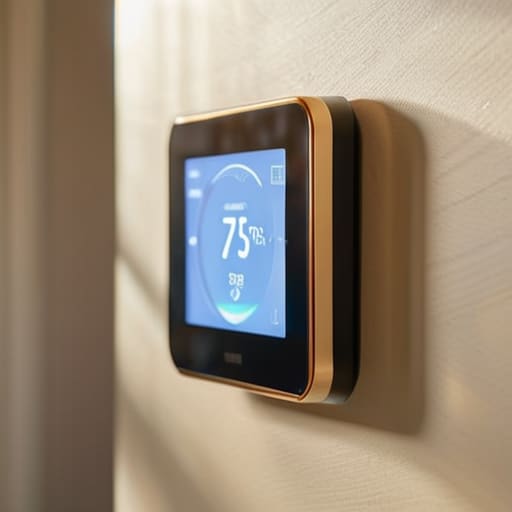
Most people treat their thermostat like a blunt instrument—either it’s blasting at 68°F or it’s completely off. That’s a massive mistake. If you want to see real results in lowering electricity bills in summer, you need to stop fighting the outdoor temperature and start working with it. I always tell my clients to embrace a “set it and forget it” mentality with a schedule. Instead of keeping your home at a constant, frigid temperature while you’re at work, program your system to drift up a few degrees during the day. You won’t notice the difference when you’re out, but your bank account definitely will.
The real trick is mastering your smart thermostat settings to account for your specific lifestyle. If you’re a night owl, don’t waste energy cooling an empty house at 2 PM; instead, program the cooling to kick in an hour before you actually get home. I also recommend using the “away” mode religiously. It’s one of those small, smart shifts that prevents your AC from working overtime just to maintain a temperature for a room that nobody is using.
Natural Ventilation Techniques for a Cooler Home

When I’m doing a home audit and see a massive AC unit running in a house with all the windows shut tight, I can’t help but shake my head. We often forget that the most effective tools for cooling aren’t plugged into a wall; they’re the windows and doors we already have. Using natural ventilation techniques is about working with the physics of your home rather than fighting against it. The goal is to create a cross-breeze that flushes out the stagnant, hot air trapped in your living spaces.
The trick is timing. I always tell my clients to monitor the temperature outside; once the sun goes down and the air cools, open up windows on opposite sides of the house to create a draft. During the heat of the day, your priority should be the exact opposite: seal the house up. Close your blinds and keep those windows shut to prevent the afternoon sun from turning your bedroom into an oven. It’s a simple shift in habit, but it’s one of the most effective ways of lowering electricity bills in summer without even touching your thermostat.
5 Low-Cost Hacks to Keep the Heat Out
- Seal those sneaky gaps around your windows and doors with weatherstripping or even just a rolled-up towel. If your cool air is escaping through the cracks, your AC is basically just fighting a losing battle against the outdoors.
- Get some heavy-duty blackout curtains or even just light-colored blinds. Keeping the sun from hitting your glass directly is one of the easiest ways to stop your living room from turning into a greenhouse during the afternoon peak.
- Switch over to LED bulbs wherever you can. It sounds minor, but old incandescent bulbs are basically tiny heaters that stay on all day; swapping them out reduces both your light bill and the ambient heat in your space.
- Use ceiling fans the right way. Remember, they don’t actually cool the air; they cool you by creating a wind-chill effect. Make sure yours are spinning counter-clockwise in the summer to push that air straight down.
- Clean your AC filters every single month. A clogged filter forces your unit to work twice as hard to pull in air, which spikes your energy usage and wears down the motor. It’s a five-minute job that saves a lot of money.
The Bottom Line on Staying Cool
Cooling your home shouldn’t be a luxury; it’s about layering small, intentional habits—like managing your thermostat and airflow—rather than just cranking up the AC.
You don’t need a massive renovation to see results; most of the energy you’re losing is due to simple, fixable habits and inefficient settings.
Efficiency is the best way to fight rising utility costs, so prioritize smart, low-cost adjustments that protect both your wallet and the planet.
Efficiency Over Intensity
Most people think staying cool requires cranking the AC down to freezing, but that’s just a fast way to burn through your paycheck. Real efficiency isn’t about fighting the heat with raw power; it’s about managing your home’s environment so you don’t have to fight it in the first place.
Tobias Nkemdirim
Making the Shift
At the end of the day, staying cool doesn’t require a massive overhaul of your entire house or a bank account full of cash. We’ve looked at how tweaking your thermostat settings can prevent those massive spikes in your utility bill, and how using natural ventilation can turn your home into a much more breathable space without even touching a remote. It’s really about the cumulative effect of these small adjustments. Whether it’s closing the blinds during peak sun hours or being more intentional with your AC cycles, these steps work together to ensure you aren’t just throwing money out the window every time the temperature rises.
I know it can feel overwhelming when you see how much energy the world consumes, but I want you to remember that sustainability isn’t an all-or-nothing game. You don’t need to live in a high-tech, solar-powered fortress to make a difference. By auditing your own habits and making these practical, data-backed changes, you’re taking control of your finances and your footprint at the same time. Let’s stop accepting high bills and wasted power as the status quo and start building homes that are actually built to last—both for our wallets and for the planet.
Frequently Asked Questions
Are there specific types of window treatments, like blackout curtains versus blinds, that actually make a measurable difference in temperature?
It really comes down to how much heat you’re trying to block. If you’re dealing with direct afternoon sun, blackout curtains are your best bet—they’re thick enough to act as a thermal barrier. Blinds are great for airflow, but they often let heat bleed through the slats. I usually recommend layering: light-colored blinds to reflect light, plus heavy thermal curtains to seal the room. It’s a small tweak that actually moves the needle on your AC usage.
Is it worth investing in a ceiling fan if my room still feels stuffy, or am I just moving hot air around?
It’s a common frustration, but you aren’t just moving hot air around. A ceiling fan doesn’t actually lower the room temperature, but it creates a wind-chill effect on your skin that makes you feel significantly cooler. If your room feels stuffy, it’s likely due to stagnant, humid air. A fan breaks that stagnation. Just remember: turn it off when you leave. Fans cool people, not rooms, so don’t waste electricity cooling an empty space.
How much of an impact will cleaning my AC filters actually have on my monthly electricity bill?
It might sound like a small thing, but it’s actually one of the highest-ROI moves you can make. When your filters are clogged with dust, your AC has to work twice as hard to pull air through, forcing the compressor to run longer cycles. I’ve seen units pull significantly more power just because they’re struggling to breathe. Cleaning them regularly can cut your cooling energy use by 5% to 15%. It’s pure efficiency.
