
I remember standing in my old rental apartment three years ago, shivering in a room that felt more like a walk-in freezer than a living space. I was staring at a utility bill that looked more like a mortgage payment, wondering why my heater was working overtime just to keep the air lukewarm. Most people will tell you that smart home energy management requires a massive investment in high-end, interconnected gadgets that cost more than the energy they actually save. They sell you this dream of a futuristic, automated mansion, but for most of us, that’s just expensive noise. You don’t need a thousand-dollar ecosystem to stop bleeding money through your walls and outlets.
I’m not here to sell you on shiny new tech that complicates your life. Instead, I’m going to show you how to use data and a few strategic, low-cost tools to actually take control of your consumption. My goal is to give you a practical roadmap for managing your home’s energy without breaking the bank. We’re going to skip the hype and focus on the real-world tweaks that actually move the needle on your monthly bills.
Table of Contents
- Smart Thermostat Integration Small Changes for Big Savings
- Real Time Energy Usage Tracking to Stop the Waste
- 5 Low-Cost Ways to Take Control of Your Power Usage
- The Bottom Line: Making Energy Efficiency Work for You
- The Real Cost of Convenience
- Cutting the Cord on Energy Waste
- Frequently Asked Questions
Smart Thermostat Integration Small Changes for Big Savings
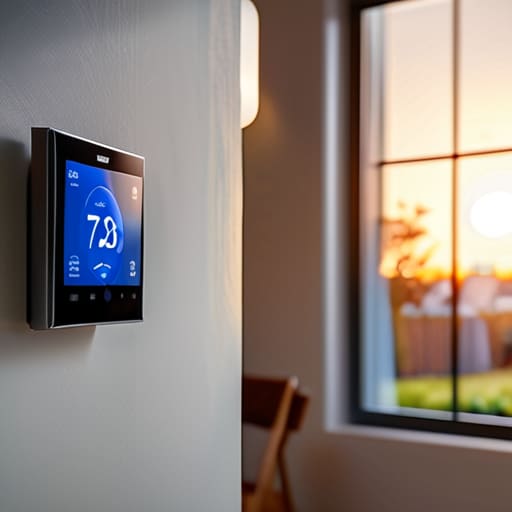
I remember sitting in my old apartment, staring at a thermostat that felt more like a suggestion than a tool. I’d crank the heat up to fight the chill, only to realize I was basically heating the entire neighborhood because I wasn’t home. This is exactly why I’m such a huge advocate for smart thermostat integration. It isn’t just about being able to change the temperature from your phone while you’re at work; it’s about removing the human error that leads to massive waste.
When you set up a system that actually learns your routine, you start seeing real-time energy usage tracking that makes sense. Instead of guessing why your bill spiked last month, you can see exactly when your HVAC system is working overtime. These devices act as a central brain, ensuring you aren’t heating an empty house or cooling a room no one is using. For me, it’s the most effective way of reducing electricity consumption without having to constantly micromanage your life. It turns a passive appliance into an active participant in your savings.
Real Time Energy Usage Tracking to Stop the Waste
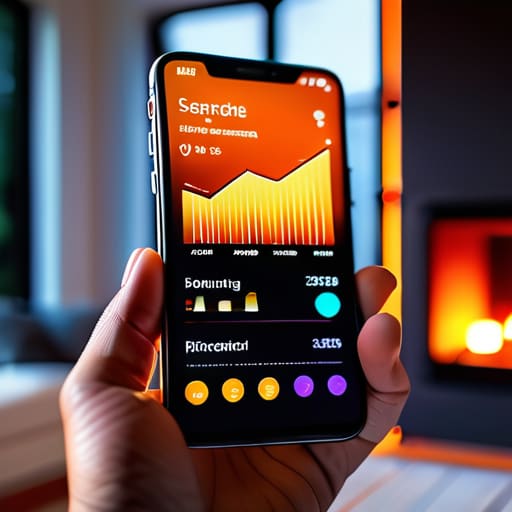
If you’re like me, you probably look at your monthly utility bill and feel like you’re being robbed by a ghost. You see a massive number at the bottom, but you have no idea which specific appliance or habit caused the spike. This is where real-time energy usage tracking becomes a game changer. Instead of waiting thirty days to find out you overspent, you can see exactly when your energy consumption peaks. I recently used my infrared thermometer to find a drafty window, but even that didn’t show the full picture until I plugged in some IoT energy monitoring solutions to see the actual draw from my old space heater.
Once you have that data, the “invisible” waste becomes impossible to ignore. You might realize your old fridge is cycling constantly or that your home office setup is pulling way more power than it should during standby mode. It’s not about living in the dark; it’s about reducing electricity consumption by cutting out the stuff you aren’t even using. When you can actually see the numbers moving on your phone, you stop guessing and start making decisions based on facts.
5 Low-Cost Ways to Take Control of Your Power Usage
- Plug your “vampire” electronics into smart power strips. I’ve seen too many people leave gaming consoles and coffee makers on all night; these devices pull power even when they’re “off,” and a smart strip cuts that leak instantly.
- Automate your lighting with smart bulbs or motion sensors. There is zero reason to light an empty hallway or a room you haven’t stepped into for an hour, so let the tech handle the shut-off for you.
- Use smart plugs to schedule your heavy hitters. If your water heater or certain appliances don’t need to be running at 3 AM, set a schedule to keep them offline during peak tariff hours.
- Connect your smart blinds to your heating system. If I’m auditing a house and see the sun beating down on large windows, I always suggest automated shades to block heat in the summer and trap it in the winter.
- Set up automated “Away” modes. Instead of manually checking every switch when you leave, one tap on your phone should trigger a house-wide energy-saving profile that kills unnecessary loads.
The Bottom Line: Making Energy Efficiency Work for You
You don’t need a massive, expensive overhaul to see results; start by using smart tech to automate the small, repetitive habits that bleed money.
Data is your best friend—if you aren’t tracking your real-time usage, you’re essentially flying blind and paying for energy you aren’t even using.
Sustainability shouldn’t be a luxury; focus on high-impact, low-cost tweaks that lower your bills and your carbon footprint at the same time.
The Real Cost of Convenience
“We’ve been conditioned to think that ‘set it and forget it’ is the peak of modern living, but when your thermostat is fighting a losing battle against a drafty window, you aren’t being efficient—you’re just subsidizing waste. True smart management isn’t about fancy gadgets; it’s about using data to stop paying for energy you never actually used.”
Tobias Nkemdirim
Cutting the Cord on Energy Waste
At the end of the day, managing your home’s energy isn’t about buying every shiny new gadget on the market. It’s about being intentional. We’ve looked at how smart thermostats can take the guesswork out of your heating, and how tracking your real-time usage can expose those hidden “vampire” loads that are quietly draining your bank account. By integrating these tools, you aren’t just playing with tech; you are reclaiming control over your monthly expenses and ensuring that every kilowatt you pay for is actually doing something useful. It’s about moving from passive consumption to active, data-driven management.
I know it can feel overwhelming, especially when you’re staring down a rising utility bill or feeling like sustainability is a luxury reserved for the wealthy. But I’ve seen firsthand how a few small, smart tweaks can completely transform a space. You don’t need a massive renovation to make a difference; you just need to stop letting energy slip through the cracks. Every bit of waste you eliminate is a win for your wallet and a win for the planet. Let’s stop settling for inefficiency just because it’s the status quo and start building homes that are actually built to last.
Frequently Asked Questions
Is it actually worth the upfront cost of smart devices if I'm on a tight budget?
Look, I get it. When you’re watching every cent, dropping a hundred bucks on a gadget feels wrong. But I look at it like an investment, not a luxury. If a smart plug or a basic thermostat pays for itself in energy savings within six months, that’s a win. If you can’t swing the upfront cost, don’t sweat it—start with manual habits first. The goal is efficiency, not just having shiny tech.
How much of a difference will these gadgets make if my house is old and has poor insulation?
Look, I’ll be straight with you: gadgets won’t fix a drafty house. If your insulation is shot, you’re essentially trying to heat the neighborhood. I’ve seen it myself—running a smart thermostat in a poorly insulated room is just a more efficient way to watch your money leak through the walls. Use the tech to manage when you heat, but prioritize sealing those gaps first. Tech manages the flow; insulation holds the value.
Are these smart systems actually easy to set up, or am I going to spend more time troubleshooting them than actually saving money?
Look, I get the skepticism. I’ve spent way too many hours troubleshooting old tech in my workshop. Most modern smart plugs and thermostats are pretty much “plug and play” now—you follow the app, and you’re done. But if you’re trying to bridge legacy systems with new tech, yeah, it can get messy. My advice? Start small. Don’t overhaul the whole house at once. Pick one device, nail the setup, and let the data prove itself.
