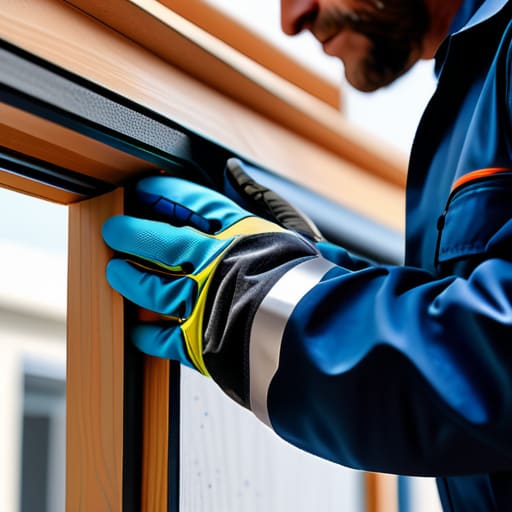
I still remember sitting in my old rental apartment three years ago, wrapped in two blankets and shivering, while the radiator hissed uselessly against a draft that felt like a personal insult. I’d point my infrared thermometer at the window frames only to see the temperature plummet into the negatives, a clear sign that all my heating money was just escaping into the night. Most people think that improving building airtightness requires a massive, expensive renovation or a team of specialized contractors, but that’s a total myth. In reality, you’re often just throwing money out the window—literally—because of tiny, preventable gaps that most people don’t even realize are there.
I’m not here to sell you on high-end, proprietary sealing systems that cost more than your monthly rent. My goal is to give you the straight truth based on the audits I do every week: how to identify the real culprits and fix them without draining your savings. We’re going to look at practical, low-cost ways to seal those leaks so you can finally stay warm without overpaying the utility companies. No fluff, no hype, just the data-driven steps you need to make your home actually work for you.
Table of Contents
- Why a Building Envelope Continuous Air Barrier Saves You Thousands
- Mastering Passive House Airtightness Standards on a Budget
- 5 Low-Cost Fixes to Stop the Drafts Right Now
- The Bottom Line on Sealing Your Space
- The Hidden Cost of a Drafty Room
- The Bottom Line on Airtightness
- Frequently Asked Questions
Why a Building Envelope Continuous Air Barrier Saves You Thousands

Think of your home like a high-quality winter jacket. If the zipper is broken or there are holes in the fabric, it doesn’t matter how thick the insulation is; you’re still going to feel the chill. That’s exactly how a building envelope continuous air barrier works. When you have a single, unbroken layer that keeps air from moving through your walls, you stop the constant cycle of heating air that just escapes to the outside. Without it, you’re essentially paying your utility company to heat the neighborhood.
The real cost, though, isn’t just the monthly bill—it’s the long-term damage. When you ignore the connection between thermal bridging and air leakage, you create perfect conditions for condensation to build up inside your walls. This leads to mold and structural rot that can cost a fortune to fix. By focusing on a tight seal, you aren’t just saving pennies on electricity; you are protecting the actual integrity of your home. It’s about making sure the money you spend on heating actually stays where it belongs: inside your living space.
Mastering Passive House Airtightness Standards on a Budget
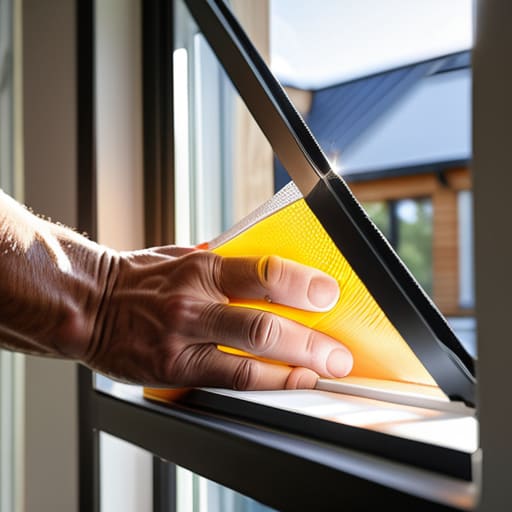
When people hear about passive house airtightness standards, they usually think of high-end, custom-built luxury homes that cost a fortune. I get it—the technical jargon makes it sound like something only architects can afford. But at its core, the concept is just about creating a solid, unbroken shield around your living space. You don’t need a massive construction budget to get close to these levels; you just need to be meticulous about where air escapes. Instead of chasing expensive certifications, focus on the basics: sealing penetrations around windows, outlets, and where plumbing enters your walls.
The real trick is understanding that sealing isn’t just about heat; it’s about managing your environment. If you seal everything up too tightly without a plan, you run into issues with vapor permeability and moisture control, which can lead to mold behind your drywall. My advice? Don’t just slap tape everywhere. Focus on creating a building envelope continuous air barrier that works with your home’s natural breathability. It’s about being smart with your materials, not just spending more on them.
5 Low-Cost Fixes to Stop the Drafts Right Now
- Grab some high-quality weatherstripping for your doors and windows; it’s one of the cheapest ways to stop that constant, annoying breeze from eating your heating budget.
- Use acoustic or fire-rated sealant around any penetrations where pipes or wires go through your walls, because those tiny gaps act like miniature vacuum cleaners for your indoor air.
- Don’t overlook your electrical outlets; installing inexpensive foam gaskets behind the faceplates can stop a surprising amount of air from migrating from your wall cavities into your living space.
- Check the seals around your attic hatch or loft access; if it’s not airtight, you’re basically leaving a massive hole in the roof for your warm air to escape straight into the sky.
- Inspect your rim joists in the basement or crawlspace and use spray foam to plug the gaps where the house meets the foundation, which is a prime spot for hidden energy leaks.
The Bottom Line on Sealing Your Space
Airtightness isn’t about living in a plastic bubble; it’s about creating a controlled environment where your heating and cooling actually stay where you put them.
You don’t need a professional crew to see results; identifying and plugging small, obvious leaks is the most cost-effective way to start lowering your monthly bills.
Think of your home’s envelope as a continuous shield—if there’s a break in that barrier, your money is literally escaping through the cracks.
The Hidden Cost of a Drafty Room
“I’ve spent enough time pointing an infrared thermometer at window frames to know that a tiny draft isn’t just a nuisance—it’s literally money escaping your house. You can install the most expensive heater on the market, but if your building envelope is leaking air, you’re essentially just trying to heat the neighborhood.”
Tobias Nkemdirim
The Bottom Line on Airtightness
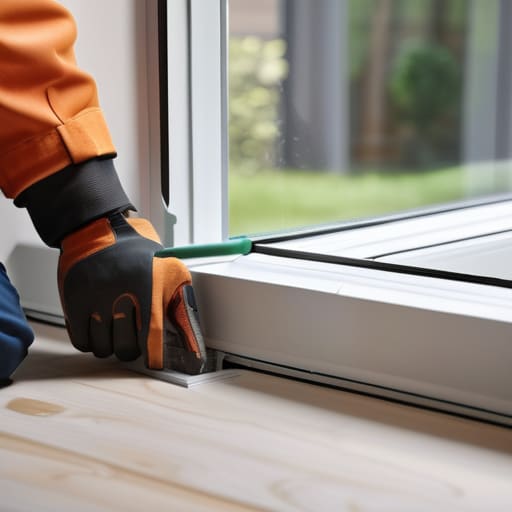
At the end of the day, achieving a high level of airtightness isn’t about chasing some unattainable architectural perfection; it’s about stopping the bleeding. We’ve looked at how a continuous air barrier acts as your home’s primary defense against skyrocketing utility bills and how you can adopt Passive House principles without needing a massive renovation budget. By focusing on the small, often overlooked gaps—the outlets, the window frames, and the service penetrations—you are essentially plugging the holes in your wallet. It’s a practical, data-driven approach to home maintenance that pays for itself through long-term energy savings and a much more stable indoor climate.
I know that looking at a house as a series of thermal leaks can feel overwhelming, but remember that you don’t have to do everything at once. Start with one room, grab a roll of sealant, and watch how much more comfortable that space becomes. We often think that living sustainably requires a huge lifestyle shift or a massive bank account, but it’s actually found in these small, intentional choices. When we stop letting energy escape through the cracks, we aren’t just saving money; we’re building a future where a comfortable, efficient home is accessible to everyone, regardless of their income.
Frequently Asked Questions
If I seal everything up so tightly, am I going to end up with mold or bad air quality inside my house?
That’s the number one question I get, and it’s a valid fear. If you seal a house airtight without a plan, you’re basically trapping moisture inside, which is a recipe for mold. But here’s the thing: airtightness isn’t about suffocating; it’s about control. You need mechanical ventilation—like an ERV or HRV—to swap stale, damp air for fresh, filtered air. Think of it like a lung for your house. Tight envelope, smart ventilation, no mold.
I can see where the drafts are, but how do I actually seal them without spending a fortune on professional contractors?
Look, you don’t need a contractor for the basics. Grab some weatherstripping for your windows and some door sweeps for those gaps at the bottom of your frames. For the sneaky stuff—like where pipes go through walls or around electrical outlets—get some expandable spray foam or even just some silicone caulk. I usually pull out my infrared thermometer to find the exact cold spots first, so you aren’t just guessing and wasting money.
Is it worth focusing on airtightness if my windows and doors are still old and inefficient?
Look, I get the dilemma. You feel like you’re putting a band-aid on a sinking ship. But honestly? Yes, it is still worth it. Think of it this way: your old windows are like a leaky bucket, but air leaks in your walls are like holes in the bottom. Even if the windows are inefficient, stopping the drafts through the structure prevents your heater from working overtime to replace air that’s just escaping. Seal the gaps first; it’s the highest ROI move you can make.
