
I still remember standing in my old rental apartment, shivering in thick wool socks while staring at a utility bill that made absolutely no sense. I’d spent a small fortune trying to keep the place habitable, only to realize I was basically throwing cash into a thermal void. Most people think that if their underfloor heating isn’t working, they need to rip everything out and install a high-end, smart-integrated system that costs a mortgage payment. That’s a lie. Improving your floor heating efficiency isn’t about buying your way into a “smart home”; it’s about identifying where the heat is actually escaping and stopping that expensive leakage before it happens.
I’m not here to sell you on overpriced gadgets or complex architectural overhauls. My goal is to give you the same practical, data-driven tactics I use during my professional audits to make sure every watt actually counts. We’re going to look at the small, smart tweaks—from floor coverings to thermostat calibration—that will keep your toes warm without draining your bank account. I promise to keep this straightforward: no hype, just real ways to make your heating work for you, not against your wallet.
Table of Contents
- Comparing Hydronic vs Electric Floor Heating Efficiency Without Breaking Th
- The Insulation Benefits for Underfloor Systems You Cant Ignore
- 5 Quick Wins to Stop Wasting Heat Under Your Feet
- The Bottom Line on Floor Heating Efficiency
- The Real Cost of Hidden Leaks
- Making the Most of Your Warm Floors
- Frequently Asked Questions
Comparing Hydronic vs Electric Floor Heating Efficiency Without Breaking Th
When you’re looking at the numbers, the debate between hydronic and electric systems usually comes down to your upfront budget versus your long-term utility bills. Electric mats are incredibly easy to install—you can practically DIY them—but the energy consumption of electric floor heating tends to climb quickly if you’re running them constantly. On the flip side, hydronic systems use water circulated through pipes, which is much more efficient at moving heat, but the initial setup cost can feel like a gut punch if you’re on a tight budget.
If you’re trying to decide which route to take, I always tell my clients to look at the total lifecycle cost. For a small space or a quick renovation, electric might be your best bet for a cost-effective floor heating solution in the short term. However, if you’re looking at a larger area, investing in a hydronic setup pays for itself through much lower monthly running costs. To make either system work harder for you, don’t skip the basics: ensure you have high-quality insulation benefits for underfloor systems to prevent that expensive heat from simply bleeding into the ground below.
The Insulation Benefits for Underfloor Systems You Cant Ignore
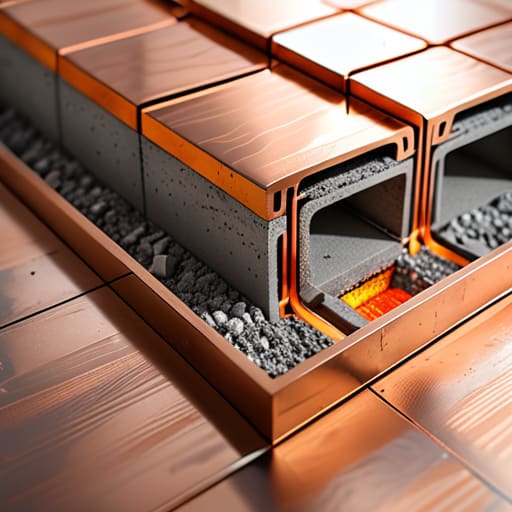
If you’re looking at underfloor systems, you can’t just focus on the heating element itself; you have to look at what’s happening underneath it. I’ve seen too many people install expensive radiant systems only to realize they’re essentially heating the ground beneath their house. This is where the insulation benefits for underfloor systems become the real game-changer. By placing a high-quality thermal break beneath your heating loops or electric mats, you force that heat upward into your living space rather than letting it bleed into the subfloor or concrete slab.
It’s a simple concept, but the math is hard to argue with. When I’m auditing a home, a lack of proper subfloor insulation is usually the biggest culprit behind high bills. Investing in decent insulation is one of the most cost-effective floor heating solutions available because it drastically lowers the workload on your system. Instead of your heater running constantly to compensate for heat loss, a well-insulated floor holds onto that warmth, making your entire setup much more efficient without needing a massive upgrade to your hardware.
5 Quick Wins to Stop Wasting Heat Under Your Feet
- Stop the thermal bleed by using a programmable thermostat; there’s no point heating up your floor at 3 AM when you’re fast asleep and the house is empty.
- Don’t let heavy rugs act as insulators; if you place a thick, dense rug directly over your heating elements, you’re essentially trapping the heat under the carpet instead of letting it radiate into the room.
- Keep your furniture light and airy; shoving a heavy, solid-back sofa directly against a heated floor section creates a dead zone where heat gets trapped and wasted.
- Check your seals regularly; I always grab my infrared thermometer to check if cold air is creeping in from the baseboards, because even the best floor heating can’t compete with a drafty room.
- Time your heating cycles to match the thermal mass of your floor; instead of constant low-level heating, try pulsing the system so the floor stays warm without running the heater 24/7.
The Bottom Line on Floor Heating Efficiency
Stop treating floor heating as a standalone system; if you don’t invest in high-quality underfloor insulation first, you’re basically just heating the ground beneath your house instead of the room you’re standing in.
Choose your heating type based on your long-term budget—electric is easier to install for a quick fix, but hydronic systems are the real winner for keeping monthly utility bills from spiraling out of control.
Small, data-backed adjustments like precise thermostat scheduling and sealing thermal leaks can make a massive difference in how much energy your system actually uses to maintain comfort.
The Real Cost of Hidden Leaks
“Most people think they have a heating problem, but when I pull out my infrared thermometer, I usually find they just have a leakage problem. If you aren’t investing in the insulation underneath your floor heating, you’re essentially just trying to heat the ground beneath your house instead of the room you’re standing in.”
Tobias Nkemdirim
Making the Most of Your Warm Floors
At the end of the day, optimizing your floor heating isn’t about buying the most expensive smart system on the market; it’s about understanding how heat actually moves through your space. We’ve looked at how choosing between hydronic and electric systems can shift your long-term costs, and why skipping out on proper underfloor insulation is basically like trying to fill a bucket with holes in it. Whether you are upgrading a whole room or just fine-tuning your current setup, the goal is the same: stop letting your hard-earned money escape through the floorboards. When you combine the right heating method with a solid thermal barrier, you aren’t just staying warm—you are drastically cutting down on wasted energy.
I know it can feel overwhelming to tackle home efficiency, especially when it feels like every “green” solution comes with a massive price tag. But I’ve seen firsthand through my audits that the most impactful changes often come from the smallest, most intentional decisions. You don’t need to overhaul your entire house overnight to make a difference. Start with what you can manage, focus on the leaks, and keep your eyes on the data. Living sustainably shouldn’t be a luxury reserved for the wealthy; it should be a practical standard for everyone. Let’s stop paying for heat we aren’t even feeling.
Frequently Asked Questions
Is it actually worth the upfront cost to upgrade my insulation if I'm just planning to rent this place for a couple of years?
Look, I get it. If you’re on a two-year lease, you don’t want to sink cash into a place you don’t own. But here’s the thing: if you can’t change the insulation, focus on the “quick wins” that actually move the needle. Grab some heavy thermal curtains or draft stoppers. It’s not a permanent fix, but it stops your money from leaking out the window while you’re still living there.
How much of a difference does a smart thermostat actually make when I'm trying to manage an electric floor heating system?
It makes a massive difference. If you’re running electric floor heating, you’re essentially paying for heat that’s warming an empty room. I’ve seen too many people leave their mats on all day just because it’s “easier.” A smart thermostat stops that waste by learning your schedule and cutting power when you’re out. It turns a constant drain into a targeted tool, saving you serious cash without you having to manually fiddle with the dial.
If I have an older hydronic system, are there ways to boost its efficiency without having to rip up my entire floor?
Honestly, you don’t need a full renovation to see a difference. If your hydronic pipes are already there, stop letting the heat escape into the subfloor. I usually recommend checking your pump efficiency first—an old, power-hungry pump is a silent budget killer. Also, look into smart thermostatic radiator valves (TRVs) or zone controllers. It’s about precision: only heating the rooms you’re actually using, rather than blasting the whole house.
