I still remember standing in my old rental apartment three years ago, shivering in a room that felt more like a walk-in freezer than a living space. I had the heater cranked up to max, yet every time I cracked a window to get some fresh air, I could practically feel my money escaping into the night sky. It’s a frustrating cycle: you either live in stale, stuffy air or you pay a premium to heat the outdoors. Most people think you need a massive, high-tech renovation to fix this, but that’s just marketing fluff. The truth is, heat recovery ventilation isn’t some luxury gadget for the ultra-rich; it’s a practical tool that stops you from literally throwing your hard-earned cash out the window every time you need to breathe.
I’m not here to sell you on expensive, over-engineered systems that require a PhD to operate. Instead, I’m going to give you the straightforward truth about how these systems actually work in a real home. I’ll break down what you actually need to look for, how much it’s worth the investment, and how to make sure you aren’t overpaying for efficiency. My goal is simple: to help you build a home that stays warm, stays fresh, and keeps your bills low.
Table of Contents
Maximizing Mvhr System Efficiency Without Breaking the Bank
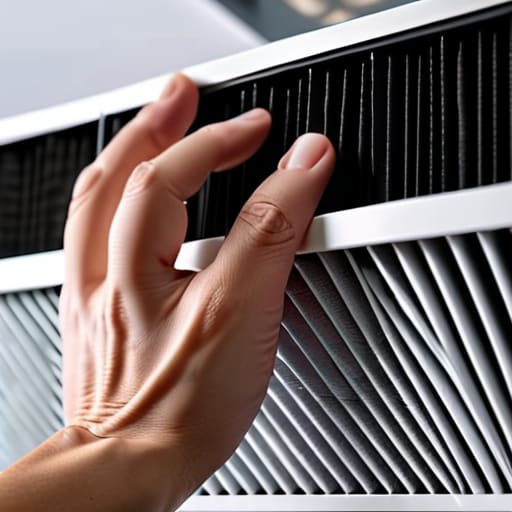
The biggest mistake I see people make is treating their MVHR system like a “set it and forget it” appliance. If you let the filters clog up with dust and debris, you’re essentially forcing your fans to work twice as hard to move half the air. That’s just burning money for no reason. I always tell my clients that regular filter maintenance is the single most effective way to boost your MVHR system efficiency without spending a dime on new hardware. Check them every few months; it keeps the airflow smooth and the motor running lean.
Another way to optimize your setup is by paying attention to how you’re controlling indoor humidity levels. If your home is too damp, your system is working overtime to manage moisture; if it’s too dry, you might be losing heat faster than you realize. Instead of buying expensive smart sensors right away, start by observing your windows for condensation. Fine-tuning your ventilation rates based on the actual seasons—rather than keeping it on max year-round—is a practical way of reducing heating costs with ventilation while keeping your air fresh and your energy bills predictable.
Reducing Heating Costs With Ventilation You Can Actually Afford
Most people think that bringing fresh air into a house means opening a window and letting all the expensive warmth escape into the street. I used to think the same thing until I started auditing homes and seeing just how much money literally drifts out of a cracked window. If you’re looking at reducing heating costs with ventilation, you don’t necessarily need a full-scale architectural overhaul. Start by looking at your existing airflow. Even small adjustments to how you manage your vents can prevent the “drafty house” syndrome that forces your heater to work overtime.
If you have a bit more to invest, looking into mechanical ventilation with heat recovery is the smartest move for long-term savings. Instead of just swapping stale air for cold air, these systems capture the thermal energy from the air you’re exhausting and use it to pre-heat the incoming stream. It’s essentially recycling your warmth. It’s not about being fancy; it’s about stopping the cycle of heating the same air twice. By focusing on these practical upgrades, you can maintain a steady temperature without watching your utility meter spin out of control.
5 Low-Effort Ways to Keep Your HRV Running Lean
- Clean your filters every three months. I can’t stress this enough—clogged filters force your fans to work twice as hard, which spikes your electricity usage and kills the system’s ability to swap heat effectively.
- Check your vent covers for dust buildup. If the air can’t flow freely into the room, your system is basically fighting an uphill battle against physics, wasting energy just to move air that’s stuck.
- Don’t bypass the heat exchanger during shoulder seasons. It’s tempting to turn the recovery off when it’s not freezing, but keeping it active helps maintain a steady indoor temperature without your heater kicking in prematurely.
- Seal up the gaps around your unit. I’ve used my infrared thermometer more than once to find heat leaks around the installation point; if the warm air is escaping through the wall cavity instead of the vent, you’re just heating the outdoors.
- Use the “boost” mode sparingly. It’s great for clearing out cooking smells, but leaving it on all day is a massive energy drain. Use it when you actually need it, then let the system settle back into its efficient baseline.
The Bottom Line on Smart Ventilation
You don’t need a high-end, automated system to see results; focusing on maintenance and simple airflow management is the fastest way to stop wasting the heat you’ve already paid for.
Efficiency isn’t just about the tech you install, but how you use it—treat your ventilation as a tool to balance air quality with your monthly utility budget.
Small, consistent adjustments to your ventilation habits can prevent the massive energy leaks that turn a comfortable home into a money pit.
The Real Cost of "Fresh" Air
Most people think they have to choose between stuffy, stale air and a massive heating bill, but that’s just bad engineering. A decent heat recovery system isn’t a luxury—it’s about finally stopping the cycle of paying to heat the outdoors just because you wanted to breathe.
Tobias Nkemdirim
The Bottom Line on Better Air

At the end of the day, upgrading your ventilation doesn’t have to be an all-or-nothing gamble with your savings. We’ve looked at how maximizing your MVHR efficiency and choosing affordable, smart ventilation options can fundamentally change how your home breathes. It’s about moving away from that old habit of just cranking up the thermostat to fight stuffy, cold air, and instead focusing on reclaiming the heat you’ve already paid for. Whether you’re fine-tuning an existing system or looking for a budget-friendly way to stop the drafts, the goal remains the same: stop wasting energy just to maintain basic comfort.
I know it can feel overwhelming when you look at the technical specs or the price tags, but remember that sustainability isn’t a luxury club for the wealthy. It’s a series of practical, data-backed decisions that add up over time. Every bit of heat you recover is a win for your bank account and a small victory for the planet. You don’t need a perfect, high-tech mansion to make a difference; you just need to be intentional about how you use your resources. Start small, keep an eye on those thermal leaks, and build a home that actually works for you.
Frequently Asked Questions
Is it actually worth the upfront cost if I'm living in a smaller, older rental?
Honestly, if you’re in a small, older rental, a full MVHR installation is probably overkill and likely something you can’t even do without landlord permission. For most renters, the upfront cost and complexity just don’t make sense. Instead of chasing a massive system, focus on “micro-efficiency”—think trickle vents or even just better window sealing. You want to stop the drafts without needing a massive renovation budget you don’t have.
How much maintenance do these systems really need before they start costing me more in repairs than they save in energy?
If you ignore them, they’ll definitely cost you more. I’ve seen systems where dust buildup in the filters makes the fans work twice as hard, spiking your energy bills. The sweet spot is simple: swap your filters every six months and check the heat exchanger once a year. It’s cheap, takes twenty minutes, and prevents that massive repair bill. Don’t let a little dust turn your efficiency tool into a money pit.
Will installing an MVHR system actually fix the damp and mold issues in my house, or is it just for temperature control?
It’s definitely not just for temperature control. In fact, tackling damp and mold is where an MVHR system really earns its keep. When you cook, shower, or even just breathe, you’re pumping moisture into the air. Without proper ventilation, that moisture settles on cold surfaces and turns into mold. An MVHR system constantly pulls that excess humidity out before it can settle, keeping your air fresh and your walls dry without losing all your heat.
