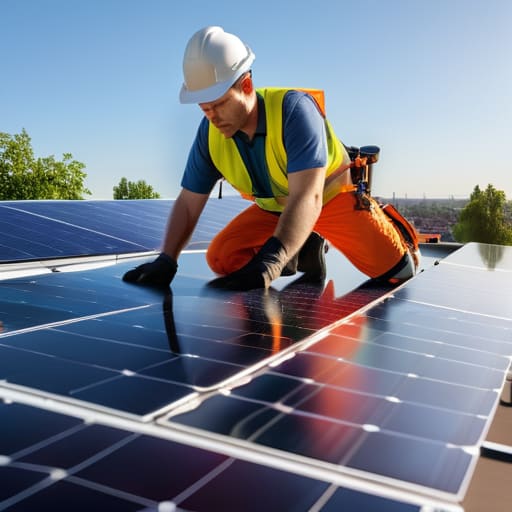
I remember sitting in my old rental apartment, shivering under three blankets while staring at a utility bill that felt like a personal attack. Back then, I thought going solar was some elite luxury reserved for people with massive estates and endless budgets. Most people will tell you that the solar panel installation process is this high-tech, intimidating mountain of paperwork and massive upfront costs that you just can’t afford. They make it sound like you need a degree in engineering just to get started, but honestly? That’s just marketing noise designed to keep you paying your grid provider forever.
I’m not here to sell you on a lifestyle you can’t afford or drown you in technical jargon. Instead, I want to walk you through the actual, boots-on-the-ground reality of how this works. I’ll break down the solar panel installation process into manageable, logical steps so you can see exactly where your money goes and how to avoid the common pitfalls. My goal is to give you the straightforward truth about what to expect, from the initial site audit to the moment you finally flip the switch, without any of the typical industry hype.
Table of Contents
Smart Choices Essential Solar Energy System Components
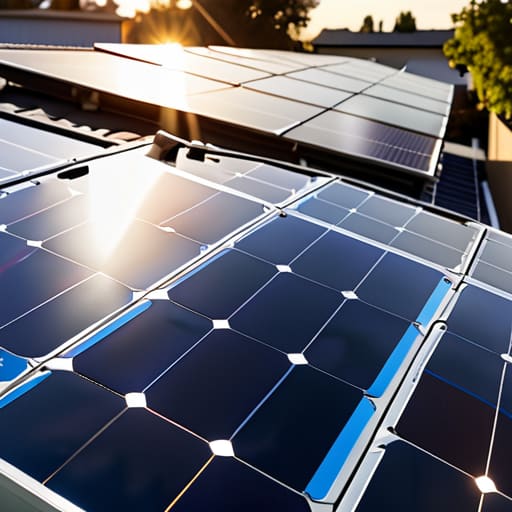
When you’re looking at a quote for a new setup, don’t let the jargon trip you up. At its core, a functional photovoltaic system setup relies on a few heavy hitters working in harmony. First, you have the panels themselves, which obviously catch the light, but the real magic happens with the solar inverter configuration. The inverter is the brain of the operation; it takes that raw DC power from your roof and converts it into the AC electricity your fridge and laptop actually use. If you skimp on the inverter quality, you’re essentially bottlenecking your entire system’s potential.
Next, let’s talk about the stuff that usually gets ignored until something breaks: the solar mounting hardware. I’ve seen too many cheap installs where the brackets weren’t rated for local wind loads, which is a massive headache waiting to happen. You need hardware that is built to last as long as the panels themselves. Finally, keep an eye on your net metering interconnection setup. This is what allows you to actually get credit for the extra power you send back to the grid, turning your roof into a genuine little revenue stream rather than just a decorative feature.
The Solar Installer Checklist for Budget Conscious Homes
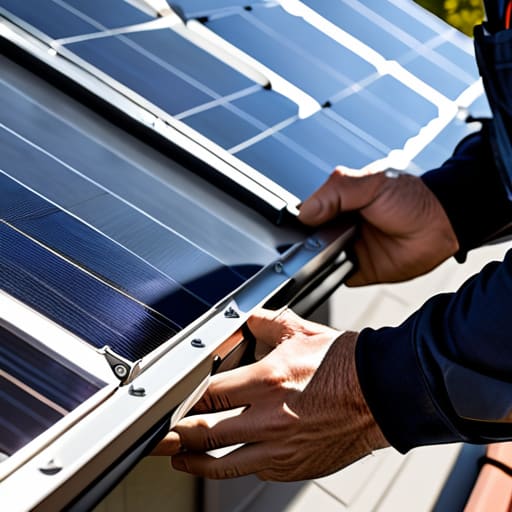
When you start vetting companies, don’t just go with the first quote that lands in your inbox. I’ve seen too many people get burned by “low-cost” providers who cut corners on the actual hardware. My personal solar installer checklist always starts with the technical specifics: ask them exactly what kind of solar mounting hardware they use and if it’s rated for your specific roof type and local wind loads. You don’t want to realize six months later that your panels are rattling because they used cheap brackets to save a few bucks.
Beyond the physical gear, you need to grill them on the logistics of the photovoltaic system setup. A pro should be able to explain how they handle the net metering interconnection with your local utility provider without you having to chase them down for paperwork. If they can’t give you a straight answer about how your excess energy actually turns into credits on your bill, walk away. You aren’t just buying hardware; you’re investing in a long-term financial tool, and you need to make sure the person installing it actually understands the math.
5 Reality Checks Before You Sign the Contract
- Don’t just look at the sticker price; calculate your payback period. I always look at how many years it’ll take for the energy savings to actually cover the initial cost of the installation. If it’s longer than a decade, you might want to rethink the math.
- Get a professional shading analysis done. I’ve seen too many people install panels only to realize a neighbor’s oak tree or a chimney is killing their efficiency. If you don’t account for shade, your ROI is going to tank.
- Check your roof’s health before the crew arrives. There is zero point in installing a high-tech solar array if your shingles are about to fail in two years. It’s much cheaper to fix the roof now than to pay a crew to tear up your new solar setup later.
- Prioritize the inverter quality. Everyone obsesses over the panels, but the inverter is the brain of the whole system. A cheap, low-quality inverter is a recipe for a headache and a system that stops working right when you need it most.
- Verify the permit and interconnection paperwork. It sounds dry, but if your installer isn’t handling the local utility paperwork properly, you could be stuck with a beautiful system that isn’t legally allowed to feed power back into the grid.
The Bottom Line on Going Solar
Don’t let the upfront cost scare you; focus on the long-term math and look for ways to make the system pay for itself through lower monthly bills.
Quality matters more than a low quote—skimping on components like the inverter or panels will just lead to more expensive repairs and wasted energy later.
Solar isn’t a “set it and forget it” miracle; you need to vet your installer thoroughly to ensure they aren’t just selling you a shiny product, but a system that actually fits your home’s specific energy needs.
## The Real Cost of Cutting Corners
“People get so caught up in the upfront price tag of solar panels that they forget the real cost is in a bad installation; if you don’t get the setup right from day one, you aren’t investing in energy independence, you’re just paying for a very expensive way to leak power.”
Tobias Nkemdirim
The Bottom Line on Going Solar
At the end of the day, getting solar installed isn’t just about checking off a list of components or finding the cheapest contractor. It’s about understanding how the pieces—from the panels themselves to the inverter and the mounting hardware—work together to stop your money from leaking out of your roof. I know the technical jargon can feel overwhelming, but if you stick to the checklist and focus on quality over the lowest bid, you’ll avoid the expensive mistakes that plague so many first-time adopters. It’s a process that requires some upfront legwork, but once you’ve audited your needs and vetted your installer, you’re essentially future-proofing your home’s finances.
I still remember those freezing winters in my old rental, feeling like I was throwing cash into a furnace just to stay warm. Switching to solar changed that perspective for me; it turned my home from a passive consumer into an active producer. You don’t need a massive inheritance to make this move, and you definitely don’t need to be an engineer. You just need the willingness to take that first step toward energy independence. Stop letting your utility company dictate your monthly budget and start taking control of your own power. It’s one of the most practical things you can do for both your wallet and the planet.
Frequently Asked Questions
How long will it actually take from the day I sign the contract until I see my first drop in my electricity bill?
Realistically? You’re looking at a gap of anywhere from two to six months. The actual installation usually takes just a couple of days, but the paperwork—permits, utility inspections, and grid connection approvals—is where the lag happens. Even once the panels are live, your utility company might not update your billing cycle immediately. Don’t panic if your first bill looks high; just track your meter closely to see the real-time difference.
Do I need to upgrade my home's electrical panel before the solar panels can even be hooked up?
It’s a common question, and honestly, it’s one of those “hidden” costs that catches people off guard. The short answer? Maybe. I usually pull out my thermometer to check for heat leaks, but for this, I look at your load capacity. If your current panel is old or already maxed out by heavy appliances, it won’t handle the extra input from solar. You don’t want to strain your system; an upgrade ensures everything runs safely and efficiently.
What happens to my solar setup if I decide to rent my home or move to a different place in a few years?
Look, I get the hesitation. I spent years in rentals where I couldn’t touch the thermostat, so I know the “what if I move?” anxiety is real. If you own the home, the solar system is a massive asset that usually boosts your property value. If you’re renting, you’re stuck—unless you look into portable setups or community solar. Treat your solar investment like a home upgrade, not just a gadget; it stays with the house.
