
I still remember sitting in my old rental apartment three years ago, wrapped in two blankets and shivering, while watching my heat vanish into the cracks of the frame. I’d point my infrared thermometer at the glass and watch the temperature drop like a stone, a visual reminder that I was essentially paying to heat the outdoors. Most people think you need a massive renovation budget or some high-tech, futuristic solution to fix this, but that’s just marketing hype. The truth is, investing in energy efficient windows shouldn’t feel like a luxury reserved for the wealthy; it’s a practical necessity for anyone tired of seeing their hard-earned money disappear through a drafty pane.
I’m not here to sell you on the most expensive triple-glazed options that no middle-class homeowner actually needs. My goal is to give you the no-nonsense reality of what works, from simple retrofits to smarter replacement choices. I’ll break down the data on U-factors and solar gain without the jargon, so you can decide exactly how to stop the leaks. We’re going to focus on smart, scalable upgrades that actually lower your bills and keep your home comfortable, regardless of your bank balance.
Table of Contents
Unlocking Savings Through Double Pane Window Benefits
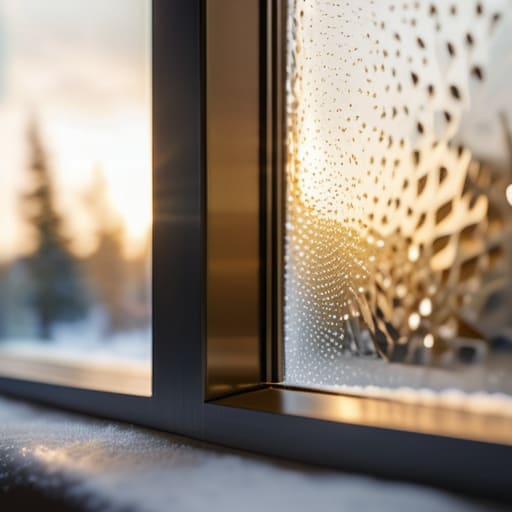
When I’m auditing a home, the first thing I look for is how much heat is just drifting straight through the glass. This is where the actual double pane window benefits kick in. Instead of one single sheet of glass, you’ve got two layers with a space trapped between them. That gap acts as a buffer, preventing the temperature inside your living room from being at the mercy of the weather outside. If you really want to level up that insulation, look for argon gas filled windows. That inert gas is much denser than air, meaning it does a significantly better job of slowing down heat transfer.
It’s not just about keeping the warmth in during January, though. You also have to think about the summer. When I check a window’s specs, I’m always looking at the u-factor and solar heat gain coefficient. These numbers tell you exactly how much heat is leaking in or out. By choosing the right coatings, you can stop your AC from working overtime just to fight the sun hitting your windows. It’s about smarter thermal management, not just thicker glass.
Why Low E Glass Technology Is Your Best Budget Ally

If you’re looking at your energy bills and wondering where the money is actually going, you need to look at the glass itself. Most people think a window is just a transparent barrier, but the chemistry behind it matters more than you think. This is where low-e glass technology comes into play. It’s a microscopically thin coating applied to the glass that acts like a thermal mirror. Instead of letting your expensive indoor heat escape during a winter chill, or letting the summer sun bake your living room, it reflects that energy back where it belongs.
When I’m auditing a home, I don’t just look at how thick the glass is; I look at the numbers. You’ll see terms like u-factor and solar heat gain coefficient on spec sheets, which can feel like a headache. But essentially, these metrics tell you exactly how much heat is leaking through. By choosing windows with a high-performing low-e coating, you are essentially investing in a shield for your home. It’s one of the most effective ways of reducing heating and cooling costs without needing to overhaul your entire HVAC system.
5 Quick Fixes to Stop Heat from Escaping Through Your Windows
- Check your seals with my favorite tool—an infrared thermometer. If you see a massive temperature drop right at the edge of the frame, your weatherstripping is shot and you’re literally paying to heat the outdoors.
- Don’t sleep on heavy curtains. Using thermal drapes isn’t just an old-school trick; it creates an extra layer of insulation that can significantly dampen the chill coming off the glass during a cold snap.
- Seal the gaps with caulk or removable weatherstripping. It’s a cheap, weekend DIY project that stops those annoying drafts from cutting through your living room, and it’s way more effective than just turning up the thermostat.
- Manage your sunlight like a pro. In the winter, keep the blinds open during the day to let the sun do the heavy lifting for you, then close them tight at night to trap that warmth inside.
- Look for the U-factor rating when you’re shopping. Don’t get distracted by fancy marketing; just look for a low U-factor, which tells you exactly how well the window resists heat loss.
The Bottom Line on Your Windows
Don’t just look at the price tag; calculate the long-term math. Upgrading to double-pane or Low-E glass is an upfront cost, but it pays for itself by stopping the constant cycle of overpaying for heating and cooling.
Stop the “draft drain.” Even the best windows won’t help if the frames are leaking air, so always check the seals and installation quality to ensure you aren’t just masking a bigger problem.
Efficiency isn’t a luxury. You don’t need a high-end smart home to make a difference—choosing the right glass technology is a practical, data-backed way to lower your bills and your carbon footprint at the same time.
## The Real Cost of a Draft
“I’ve stood in rooms where you can practically feel the money escaping through the glass; upgrading your windows isn’t just a home improvement project, it’s about finally plugging the holes in your monthly budget.”
Tobias Nkemdirim
The Bottom Line on Your Windows
At the end of the day, upgrading your windows isn’t just about aesthetics; it’s a calculated move to protect your finances and your comfort. We’ve looked at how double-pane glass creates that essential thermal barrier and how Low-E technology acts as a shield against unwanted heat gain and loss. When you combine these features, you aren’t just buying glass—you are investing in a way to stop the constant drain on your bank account. Whether you are dealing with a drafty single-pane setup or just trying to optimize an older home, these upgrades are the most effective way to cut down on wasted energy and stabilize your monthly utility costs.
I know that making changes to your home can feel overwhelming, especially when you’re trying to balance a budget. But remember, sustainability shouldn’t be a luxury reserved for people with massive renovation funds. Every small step you take to seal your home against the elements is a win for your wallet and a win for the planet. You don’t have to overhaul everything overnight; just start where you can. By choosing smarter, more efficient options, you are proving that living green is possible for everyone, one window at a time. Let’s stop letting our hard-earned money leak out through the glass and start building homes that actually work for us.
Frequently Asked Questions
How can I tell if my current windows are actually leaking heat without buying an expensive thermal camera?
You don’t need a thermal camera to spot a problem. Grab a lit incense stick or even a single strand of sewing thread and move it slowly around the window frame on a breezy day. If the smoke or thread dances, you’ve found a leak. You can also do the “hand test”—run your palm along the edges. If you feel a sudden chill, that’s your money escaping into the street.
Are there any cheap, DIY ways to improve my window insulation if I can't afford to replace the glass right now?
Look, I get it. Replacing glass isn’t always in the budget, and that’s fine. If you can’t upgrade the panes, fight the drafts. Grab some weatherstripping tape for the frames and heavy thermal curtains to block the heat transfer. If you’re really feeling the chill, window insulation film is a lifesaver—it’s cheap, easy to apply, and creates an extra air barrier. It’s not a permanent fix, but it stops the bleeding.
Will upgrading to energy-efficient windows actually make a noticeable difference in my monthly utility bills, or is the ROI too slow?
Look, I get the skepticism. You’re staring at a massive quote and wondering if you’re just buying expensive glass. Here’s the reality: if your current windows are single-pane or have failing seals, the difference is immediate. I’ve audited homes where drafty frames were essentially leaving the heater running outside. You’ll see the drop in your monthly bills, but the real win is the long-term ROI through consistent, predictable savings. It’s an investment, not a quick fix.
