I still remember sitting in my old rental apartment three years ago, wrapped in two blankets and shivering, while my heating bill climbed higher than my actual rent. I pulled out my infrared thermometer—the one thing that actually told me the truth—and pointed it at the glass. The reading was brutal; the heat was just bleeding straight through the panes. Most people will tell you that fixing this requires a massive, soul-crushing renovation or a complete window replacement that costs more than a used car. They’re wrong. You don’t need to tear down your walls to fix poor window glazing; you just need to stop letting your hard-earned money escape into the atmosphere.
I’m not here to sell you on expensive, high-tech gimmicks that promise the world but deliver nothing. My goal is to give you the straightforward, data-backed truth about how different glazing methods actually perform in a real home. We’re going to look at the practical ways to seal those thermal leaks and optimize your windows without draining your savings. I’ll show you how to make your space actually comfortable, because living sustainably shouldn’t be a luxury reserved only for the wealthy.
Table of Contents
Spotting Glazing Seal Failure Signs Before They Drain Your Wallet

I usually pull out my infrared thermometer when I walk into a room that feels inexplicably drafty. If I see a massive temperature drop right at the glass, it’s a dead giveaway. One of the most obvious glazing seal failure signs is seeing condensation or fogging trapped between the panes. This isn’t just a smudge on the surface; it means the airtight seal has broken, and the insulating gas—usually argon—has leaked out. Once that happens, your windows are basically just single-pane glass, and you’re paying to heat the street outside.
Keep an eye out for “rainbow” patterns or cloudy patches that won’t wipe away. This is a sign that the moisture is interacting with the coatings inside the unit. When the seal fails, you lose the specific low-e coating benefits designed to reflect heat back into your home. If you notice your living room getting uncomfortably hot in the afternoon or freezing by 8 PM, your windows aren’t doing their job anymore. Catching these leaks early can save you from a massive spike in your monthly utility bill.
Why Argon Gas Filled Windows Are a Smart Budget Move
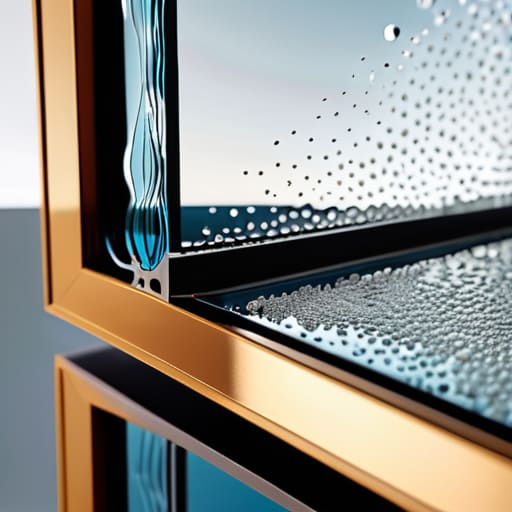
When I’m doing an audit, I usually see people focusing on the wrong things—like expensive smart thermostats—while ignoring the actual thermal envelope. If you’re looking at replacement glass units, you need to talk about what’s happening inside the panes. Argon gas filled windows are a game changer because argon is denser than air. It acts as a much better insulator, significantly slowing down the transfer of heat through the window. Instead of air circulating and carrying warmth from your living room straight to the sidewalk, that heavy gas stays put, keeping the thermal barrier intact.
It’s not just about the gas, though; it’s about the math behind the glass. When you combine argon with a high-quality low-e coating, you’re essentially creating a two-pronged defense against your utility bills. The coating reflects infrared energy, meaning you can manage both u-value and solar heat gain much more effectively. You get the benefit of letting natural light in during the day without turning your apartment into a greenhouse, and you keep the heat trapped inside during a freeze. It’s a practical, high-impact upgrade that actually pays for itself.
5 Low-Cost Glazing Hacks to Lock in the Warmth
- Grab your infrared thermometer and check the edges of your panes; if you see a sudden temperature drop at the frame, your seals are likely shot and need immediate attention.
- Don’t overlook secondary glazing; if you can’t afford full window replacements, adding a clear acrylic sheet over your existing panes creates a cheap, effective thermal barrier.
- Check your weatherstripping every season, because even the best glazing won’t help if cold air is whistling through gaps in the window sash.
- Opt for Low-E coatings if you’re upgrading; it’s a small upfront cost that pays for itself by reflecting heat back into the room during winter and keeping it out during summer.
- Use heavy, thermal-lined curtains to supplement your glazing, especially at night, to create an extra layer of insulation that stops heat from radiating out through the glass.
The Bottom Line on Better Glazing
Don’t wait for a massive bill to act; if you see fogging or condensation between your panes, your seal is gone and you’re literally paying to heat the street.
Upgrading to argon-filled glass isn’t a luxury—it’s one of the most cost-effective ways to trap heat inside your home without a full-scale renovation.
Think of glazing as a long-term investment in your monthly cash flow; the upfront cost pays for itself by cutting the constant drain of energy waste.
The Cost of Doing Nothing
“I’ve spent too many audits pointing my infrared thermometer at single-pane glass and watching the temperature drop like a stone. Every degree of heat you lose through a bad seal is basically just handing your hard-earned cash to the utility company.”
Tobias Nkemdirim
Making the Upgrade Count
At the end of the day, fixing your windows isn’t about chasing some high-tech architectural trend; it’s about practicality. We’ve looked at how to spot those telltale signs of seal failure before they turn into massive utility bills, and why opting for argon gas is one of the most cost-effective ways to boost your thermal performance. Whether you’re looking at simple films or a more permanent glazing upgrade, the goal is the same: stop letting your hard-earned money leak out through the glass. If you take the time to audit your windows now, you’re essentially locking in lower energy costs for years to come.
I know that home improvements can feel overwhelming, especially when you’re trying to balance a budget. But I’ve seen firsthand how these small, strategic shifts transform a house from a drafty, expensive shell into a truly efficient home. You don’t need a massive renovation budget to make a meaningful difference for your wallet and the planet. Start with what you can afford, focus on the high-impact areas, and remember that every degree of heat you keep inside is a win. Let’s stop settling for wasted energy and start building homes that actually work for us.
Frequently Asked Questions
Is it actually worth the cost to reglaze my existing windows, or should I just save up for full replacements?
Look, I’ve run my infrared thermometer over enough drafty frames to know there’s no one-size-fits-all answer. If your window frames are structurally sound and it’s just the seal that’s failed, reglazing is a massive win for your wallet. It’s a fraction of the cost of full replacements and stops that immediate heat bleed. But if the frames are rotting or warped, you’re just throwing good money after bad. Save for the replacement if the bones are gone.
Can I DIY some of these glazing fixes myself, or am I going to end up making the drafts worse?
Look, I’ll be real with you: some things are definitely DIY-friendly, while others are a recipe for disaster. If you’re just applying new weatherstripping or replacing worn-out caulk around the frame, go for it. That’s easy money saved. But if the seal inside the glass unit has failed—that foggy, condensation look—don’t try to fix that yourself. You can’t “patch” gas. In that case, you’re better off replacing the pane rather than making a mess.
How much of a difference will new glazing actually make on my monthly heating bill during the peak of winter?
Look, I can’t give you a single magic number because every house is different, but I’ve seen the data. If you’re moving from single-pane or cracked double-glazing to high-quality, gas-filled units, you’re looking at a significant dent in your heating costs. In the dead of winter, it’s common to see a 15% to 30% drop in thermal loss through windows. It’s basically the difference between fighting your heater all night and actually feeling cozy.
