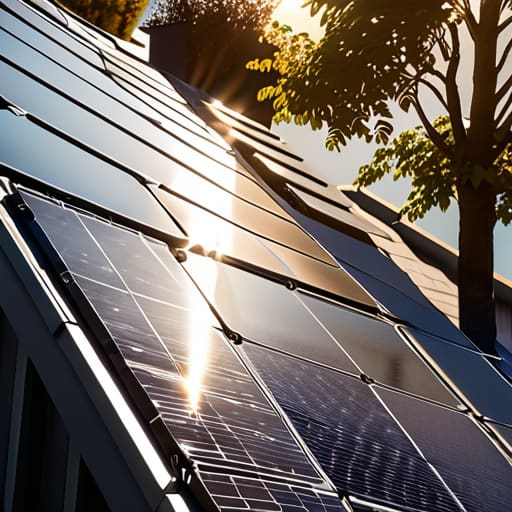
I was auditing a small bungalow last month, and the homeowner was genuinely devastated because their electricity bills were creeping up despite having a brand-new solar setup. I pulled out my infrared thermometer, scanned the roof, and there it was: a single, overgrown oak tree casting a shadow right across the center of the array. It’s one of those things people overlook, thinking a little shade won’t matter, but it’s actually a massive energy killer. Most experts will try to sell you on incredibly expensive micro-inverter upgrades or complex rerouting, but honestly, most solar panel shading solutions don’t need to break the bank to actually work.
I’m not here to pitch you some high-tech, overpriced gadget that promises the moon. My goal is to give you the straightforward truth about how to manage shade without draining your savings. I’ve spent enough time looking at energy data to know which fixes are worth your time and which ones are just marketing fluff. We’re going to look at practical, low-cost ways to reclaim your power production, from simple landscaping tweaks to smarter hardware choices, so you can finally stop wasting energy and start seeing the returns you were promised.
Table of Contents
Mitigating Solar Shade Impact Without Breaking the Bank
You don’t need to tear down a whole tree or redesign your entire roof to deal with shadows. If you’re dealing with a bit of partial shade solar panel efficiency loss, the first thing I do during an audit is look at your hardware. Most modern setups use modules with bypass diodes in solar modules, which are essentially tiny internal rerouting systems. When a shadow hits one part of a panel, these diodes allow the electricity to flow around the shaded cell rather than choking the entire string. It’s a built-in safety net, but it’s not a magic fix for heavy shade.
For a more hands-on approach, I always suggest looking into microinverters or power optimizers. Instead of your whole system performing like the weakest link in a chain, these devices let each panel act independently. It’s a much more effective way of optimizing solar energy yield when you can’t control exactly where the shadows fall. It might cost a bit more upfront than a standard string inverter, but when you calculate the long-term savings on your utility bills, the math usually makes sense.
Optimizing Solar Energy Yield Even When Trees Grow Tall
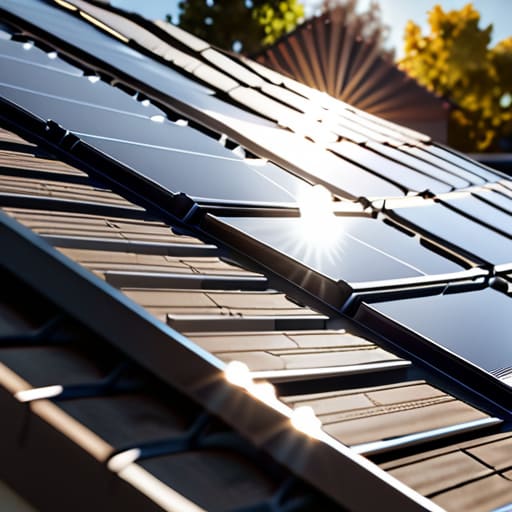
It’s a common frustration: you install a beautiful system, and two years later, the oak tree in your backyard has grown just enough to cast a shadow right across your array. You don’t necessarily need to go out there with a chainsaw, though. Instead, focus on optimizing solar energy yield through smarter hardware choices. If you’re still in the planning phase or looking to upgrade, look into modules equipped with bypass diodes in solar modules. These little components act like internal circuit breakers; they allow the current to skip over the shaded cells rather than letting the entire string’s performance tank because of one dark spot.
If you’re dealing with a fixed setup, your best bet is a bit of strategic planning. Sometimes, a slight shift in your solar array layout optimization can make a massive difference. By reconfiguring how your panels are wired—perhaps moving from a single long string to multiple smaller parallel strings—you prevent one shaded panel from dragging down the output of the entire system. It’s about working with the environment you have, rather than fighting a losing battle against nature.
Quick Wins to Keep the Shade from Killing Your ROI
- Get a professional trim on those overgrown branches. It’s much cheaper to pay a gardener once a year than to lose 20% of your daily energy yield because a rogue oak limb is creeping over your array.
- Switch to microinverters or power optimizers if you haven’t already. In a traditional string inverter setup, one shaded panel can drag down the performance of the entire row; these tools isolate the problem so the rest of your system keeps pumping out power.
- Map your shade patterns throughout the day. Use a simple app or just observe your yard to see exactly when the shadows hit. Knowing your “dead zones” helps you decide if you need to reposition a panel or just accept a temporary dip in production.
- Install a solar tracker if you have the space and a bit of extra budget. While they’re more complex, they can tilt your panels to follow the sun, helping to mitigate some of the efficiency losses caused by fixed-position shading.
- Keep your panels clean of debris. Sometimes what looks like shade is actually just a buildup of leaves, twigs, or bird droppings caught in the shadow of a nearby structure. A quick rinse can often restore that lost connection to the sun.
The Bottom Line on Managing Shade
You don’t need to tear down every tree in your yard; sometimes a strategic prune is all it takes to stop a shadow from killing your system’s efficiency.
Prioritize low-cost fixes like micro-inverters or optimizers if your shading is unavoidable, as they prevent one shaded panel from dragging down your entire array.
Think long-term—always account for how much a nearby tree will grow in five years so you aren’t paying for solar capacity that ends up being uselessly covered in shade.
## The Reality of the Shade
“I’ve spent too many hours looking at thermal maps to ignore the truth: a single shadow from a poorly timed tree branch isn’t just a nuisance, it’s a leak in your wallet. You don’t need a total system overhaul to fix it, though—you just need to stop letting shade dictate your energy independence.”
Tobias Nkemdirim
The Bottom Line on Shade
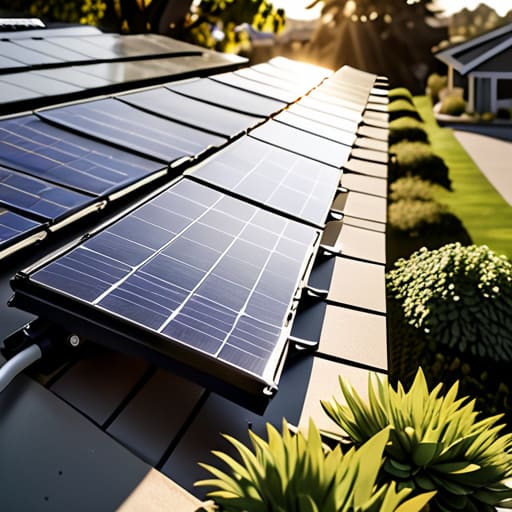
At the end of the day, shade doesn’t have to be a dealbreaker for your solar setup. We’ve looked at how everything from strategic tree pruning to installing micro-inverters can make a massive difference in how much juice you actually pull from the sun. You don’t need to tear down the whole backyard or replace your entire array to see results. It’s about being smart with your placement and using the right tech to bypass those localized drops in efficiency. Whether you’re trimming a rogue branch or upgrading your hardware, the goal is simple: stop letting wasted sunlight turn into wasted money.
Transitioning to renewable energy can feel overwhelming, especially when you’re trying to balance a budget and a growing family. But remember, sustainability isn’t about perfection; it’s about making the most of what you have. Every watt you save from being blocked by a shadow is a win for both your bank account and the planet. Don’t let a few trees or a poorly placed roofline discourage you from making the switch. If you take these small, calculated steps, you’ll find that living sustainably is actually achievable without needing a massive windfall. Just keep optimizing, keep auditing, and keep pushing for a more efficient home.
Frequently Asked Questions
If one panel in my array gets shaded, does it tank the performance of the entire system?
The short answer? It depends on your setup, but it can definitely tank your numbers. In older “string” systems, the panels are linked like old Christmas lights; if one gets shaded, the whole string’s output drops to match that weakest link. It’s frustratingly inefficient. However, if you have microinverters or power optimizers, the impact is localized. One shaded panel won’t drag the others down, which is why I always check your hardware before suggesting a fix.
Is it actually worth the cost of hiring a professional to prune my trees, or can I just DIY the trimming myself?
Look, I’m all for the DIY ethos—I spend half my time tinkering with old tech—but when it comes to trees overhanging your panels, I’d suggest hiring a pro. It’s a balance of risk versus reward. If it’s just a few low branches, grab the shears. But if you’re looking up at heavy limbs near high-voltage lines, the risk of damage (to your roof or your safety) isn’t worth the savings. Do it right once.
How much of a difference will a small amount of shade actually make on my monthly electricity bill?
It’s easy to underestimate, but even a little shade can hit your wallet harder than you’d think. Solar panels are like a chain; if one link is weak, the whole system struggles. A single branch casting a shadow during peak sun hours can drop your output by 10% to 30% depending on your setup. That’s not just a minor dip—that’s a direct increase in your monthly utility bill.
