I remember sitting in my old rental apartment, staring at a utility bill that looked more like a mortgage payment, feeling completely powerless against the rising costs. It’s that same frustration I see now when people invest thousands into a solar setup, only to walk away and hope it’s actually working. There is this massive, annoying misconception that once the panels are on the roof, the job is done. But without active solar panel monitoring, you’re basically flying blind. You could have a single faulty inverter or a layer of grime choking your efficiency, and you wouldn’t know until you saw the hit to your bank account at the end of the month.
I’m not here to sell you on some overpriced, high-tech gadgetry that complicates your life for no reason. My goal is to show you how to use data to stop wasting energy and ensure your investment actually pays for itself. I’ll walk you through the practical ways to track your production, what specific numbers you should actually care about, and how to spot a problem before it becomes an expensive headache. Let’s get your system working for you, not against your wallet.
Table of Contents
- Mastering Real Time Solar Energy Tracking to Slash Your Bills
- Using Solar Inverter Monitoring Software to Stop Wasting Power
- 5 Ways to Use Your Data to Stop Wasting Solar Power
- The Bottom Line on Solar Monitoring
- ## Stop Guessing, Start Measuring
- Making Data Work for Your Wallet
- Frequently Asked Questions
Mastering Real Time Solar Energy Tracking to Slash Your Bills
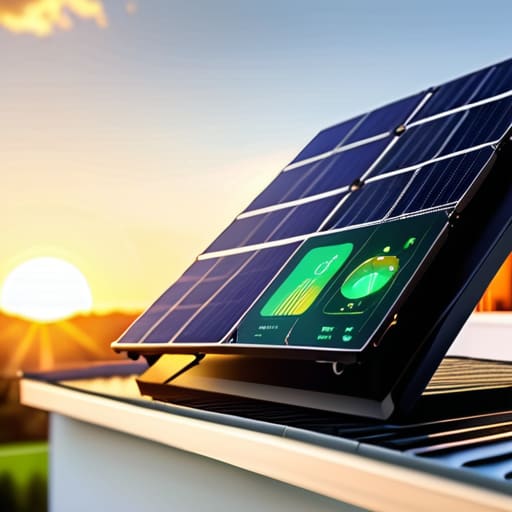
Most people install solar panels and then just… forget about them. They assume that because the hardware is on the roof, the work is done. But if you aren’t checking your data, you’re essentially flying blind. I’ve seen too many setups where a single faulty string or a layer of debris is quietly tanking the output, and the homeowner doesn’t realize it until their utility bill arrives. By using real-time solar energy tracking, you stop guessing and start seeing exactly how much power you’re pulling from the sun at any given moment.
It’s about moving from passive ownership to active management. When you dive into your solar inverter monitoring software, you aren’t just looking at pretty graphs; you’re performing a continuous health check on your investment. I always tell my clients that optimizing solar energy yield isn’t a one-time setup—it’s a habit. If you notice a sudden dip in production during peak sunlight hours, you can catch a technical glitch before it drains your savings for months. It turns your roof from a static piece of equipment into a high-performing asset.
Using Solar Inverter Monitoring Software to Stop Wasting Power
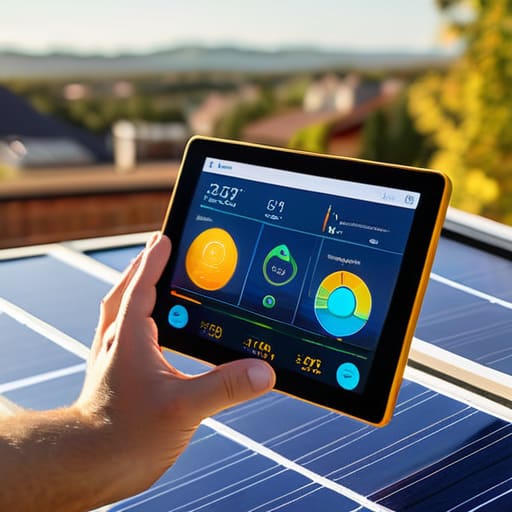
Most people treat their solar setup like a “set it and forget it” appliance, but that’s exactly how you end up losing money. I’ve seen too many setups where a single faulty string or a dusty panel goes unnoticed for months because the owner isn’t looking at the data. This is where solar inverter monitoring software becomes your best friend. Instead of waiting for your utility bill to tell you something is wrong, the software gives you a direct line into your system’s health. It’s about moving from guesswork to actual photovoltaic system diagnostics that tell you exactly where your energy is—or isn’t—going.
When I’m auditing a home, I always tell clients to check their inverter’s app at least once a week. You’re looking for those small, unexplained dips in production that signal a hardware hiccup or a cleaning requirement. By leveraging remote solar system management, you can spot a malfunction before it turns into a massive spike in your electricity costs. It’s not about being obsessed with gadgets; it’s about optimizing solar energy yield so that every ray of sunlight hitting your roof actually works to lower your overhead.
5 Ways to Use Your Data to Stop Wasting Solar Power
- Watch your production curves, not just the totals. If you see a sudden dip during peak sunlight hours on a clear day, you likely have a dirty panel or a shading issue that’s eating your ROI.
- Set up push notifications for inverter faults. You shouldn’t have to manually log in every day to see if something is broken; let the system tell you the second an error code pops up so you can fix it before the bill arrives.
- Compare your generation data against your real-time consumption. If your panels are cranking out power but your app shows you’re still pulling heavily from the grid, you need to shift your heavy appliance use—like the dishwasher or dryer—to those peak production windows.
- Track your battery state-of-charge (SoC) religiously. If you have storage, monitoring how quickly you’re draining it helps you figure out if you’re over-relying on the grid at night or if your battery isn’t holding the charge it should.
- Keep an eye on the weather-to-output ratio. If the forecast says sunny but your monitoring app shows low yields, it’s time to grab my infrared thermometer (or just a good pair of gloves) and check for physical obstructions or hardware malfunctions.
The Bottom Line on Solar Monitoring
Stop guessing and start seeing; real-time data turns your solar setup from a “set and forget” expense into a tool you actually control.
Catching a malfunction early through your software isn’t just about tech—it’s about preventing weeks of wasted sunlight and unnecessary utility bills.
Use the numbers to prove your ROI, ensuring every kilowatt your system produces is actually working to lower your monthly overhead.
## Stop Guessing, Start Measuring
“You wouldn’t drive a car without a fuel gauge and expect to reach your destination, so why are you running a solar system without knowing exactly where your power is going? Monitoring isn’t about chasing tech trends; it’s about seeing the invisible leaks in your energy production so you can stop paying for power you aren’t actually catching.”
Tobias Nkemdirim
Making Data Work for Your Wallet
At the end of the day, solar panels are only as good as the data you use to manage them. We’ve looked at how real-time tracking keeps you from flying blind and how inverter software acts as your first line of defense against technical glitches that quietly bleed your savings dry. It isn’t about obsessing over every single watt, but about eliminating the guesswork. When you stop treating your solar setup like a “set it and forget it” appliance and start treating it like a dynamic tool, you stop wasting energy and start reclaiming your hard-earned money.
I know that transitioning to a sustainable lifestyle can feel expensive and overwhelming, especially when you’re just trying to make ends meet. But remember, efficiency isn’t a luxury reserved for the wealthy; it’s a practical way to take control of your own environment. Every time you check your monitoring app and catch a drop in performance, you are making a choice to live smarter. You don’t need a massive budget to make an impact—you just need to stop letting energy leak away through neglect. Let’s make sure every bit of sunlight you capture actually goes toward powering your life, not just disappearing into a faulty connection.
Frequently Asked Questions
Do I actually need a dedicated monitoring system, or can I just check my inverter's screen manually?
Look, I get the temptation to keep it simple. Checking the inverter screen works if you just want a quick glance, but it’s reactive. You’re only seeing a snapshot in time. A dedicated monitoring system is proactive. It tracks trends and catches those tiny, silent energy leaks that a manual check will always miss. If you’re serious about squeezing every cent of value out of your setup, the data from a real system is worth it.
How much of an impact will seeing my real-time data actually have on my monthly savings?
It’s not just about the numbers on a screen; it’s about changing your behavior. When I use my infrared thermometer, I see exactly where heat escapes. Real-time data does the same for your electricity. Seeing a spike when the dryer kicks in or a drop when a cloud passes makes the invisible, visible. That awareness stops you from running appliances at peak rates and helps you catch system glitches before they become expensive repairs.
What are the red flags I should look for in my monitoring app that indicate a panel might be failing?
Keep a close eye on your daily yield patterns. If you see a sudden, unexplained dip in production on a clear, sunny day, that’s a massive red flag. I also look for “stair-stepping” in the data—where energy output drops sharply and stays low instead of following a smooth curve. If one specific string or panel shows significantly lower voltage than the others, you likely have a hardware issue or heavy shading that needs immediate attention.
