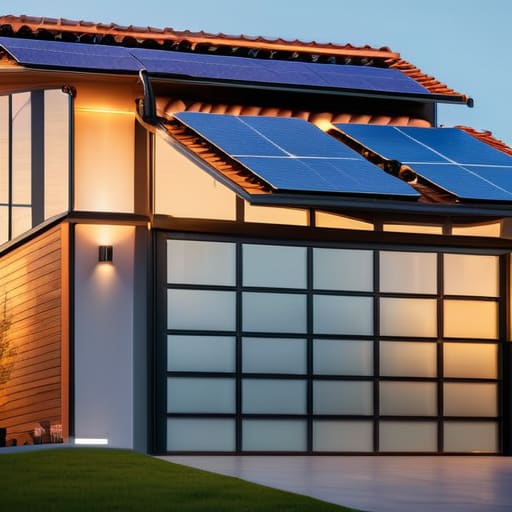
I remember sitting in my old rental apartment during a mid-winter power surge, staring at a flickering lightbulb and realizing how much money I was literally throwing away. I had solar panels, sure, but the moment the sun went down, I was back to paying the utility company’s premium rates just to keep the lights on. It felt like a massive waste of potential. Most people will tell you that solar battery storage is this futuristic, luxury add-on that only wealthy homeowners can afford, but that’s just marketing fluff designed to keep you dependent on the grid.
I’m not here to sell you on some high-tech dream or a system that costs more than your car. My goal is to cut through the jargon and show you the actual math behind making your setup work for you. I’ll be sharing the practical, data-driven ways you can use solar battery storage to stop bleeding cash during peak hours and actually take control of your energy footprint. We’re going to focus on what’s genuinely worth your investment, ensuring you get the most bang for your buck without the unnecessary hype.
Table of Contents
- Maximizing Your Solar Energy Storage Capacity Without Breaking the Bank
- Reducing Electricity Bills With Solar and Smarter Habits
- Five Ways to Get More Out of Your Battery (Without the Stress)
- The Bottom Line: Making Your Energy Work for You
- ## The Real Value of Storing Your Own Power
- The Bottom Line on Battery Storage
- Frequently Asked Questions
Maximizing Your Solar Energy Storage Capacity Without Breaking the Bank
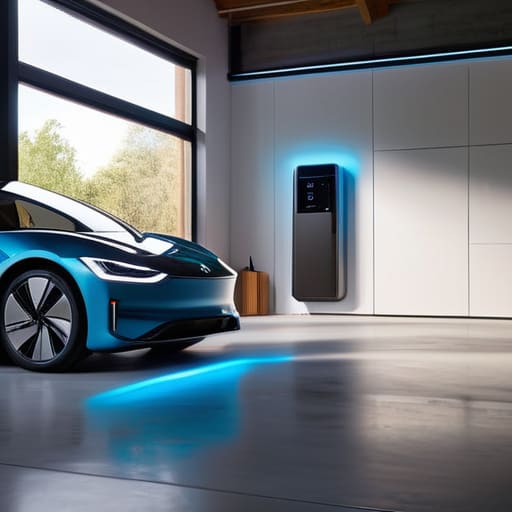
The biggest mistake I see people make is thinking they need to buy the largest, most expensive setup on day one. You don’t need to overbuild your solar energy storage capacity just to feel secure. Instead, I recommend looking at modular setups. Many modern lithium-ion home battery systems are designed to be expandable. This means you can start with a smaller, more affordable unit that covers your essential evening loads—like your fridge and Wi-Fi—and then add more capacity as your budget allows or as your energy needs grow.
Another way to stretch your existing setup is to get serious about your consumption habits. It’s much cheaper to change when you use power than it is to buy more hardware. I’m a huge advocate for using smart energy management systems to automate your heavy lifting. If you can program your dishwasher or laundry cycle to run during peak sunlight hours rather than drawing from your stored reserves at night, you’re essentially making your battery feel twice as large. It’s about working smarter with the electrons you already have, not just throwing more money at bigger boxes.
Reducing Electricity Bills With Solar and Smarter Habits
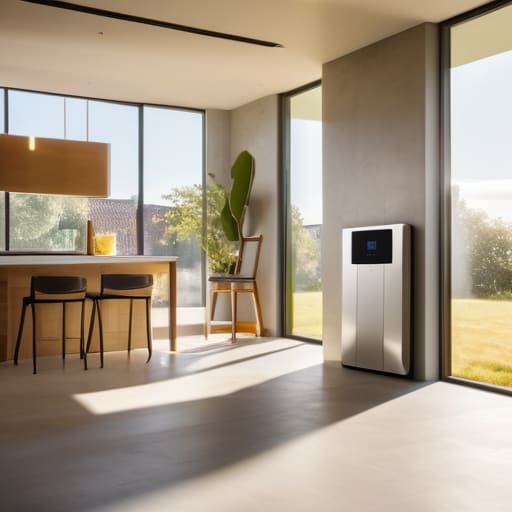
Having a solar setup is only half the battle; if you aren’t managing how you use that power, you’re essentially leaving money on the table. I see this all the time during my audits: people have great panels, but they run their heavy appliances right when the sun goes down and the grid prices spike. To actually see a dent in your monthly costs, you need to align your high-energy tasks—like laundry or running the dishwasher—with your peak production hours. It’s about working with your system rather than against it.
If you want to level up, I highly recommend looking into smart energy management systems. These tools take the guesswork out of the equation by automatically shifting your heavy loads to periods of high generation. For those looking for more stability, integrating lithium-ion home battery systems allows you to buffer that excess midday energy for use during expensive evening hours. It’s not just about having the tech; it’s about building the habit of intentional consumption. That is how you truly stop overpaying for your power.
Five Ways to Get More Out of Your Battery (Without the Stress)
- Time your heavy lifting for the right moment. Don’t run the dishwasher or the washing machine at noon when the sun is hitting your panels; wait until the sun dips and your battery takes over. It’s about using the energy you’ve already stored rather than pulling more from the grid.
- Watch your “depth of discharge.” Most batteries don’t like being drained to zero every single day. If you treat them with a bit of care and don’t push them to the absolute limit constantly, they’ll last years longer, saving you from a massive replacement bill down the line.
- Monitor your real-time data. I always tell my clients to get an app that shows exactly where the power is flowing. If you can see that your battery is draining faster than expected during a specific hour, you can adjust your habits immediately instead of waiting for the end-of-month bill.
- Mind the temperature. Batteries are sensitive. If you’ve got the choice, don’t install your storage unit in a freezing garage or a baking hot shed. Keeping them in a stable, moderate environment is one of the easiest ways to maintain efficiency and protect your investment.
- Start small and scale up. You don’t need a massive, expensive setup to see a difference. It’s better to get a modest battery that covers your evening essentials—like lights and the fridge—than to go into debt trying to power your entire house like a data center.
The Bottom Line: Making Your Energy Work for You
Don’t view solar storage as a luxury; view it as a way to reclaim the power you’re already generating instead of letting it leak back into the grid for pennies.
Small, data-driven shifts—like timing your heavy appliance use to match your battery’s discharge—can cut your reliance on expensive peak-hour electricity without needing a massive hardware upgrade.
Focus on the long game by prioritizing efficiency first; a battery is much more effective when you’ve already plugged the “leaks” in your home’s energy usage.
## The Real Value of Storing Your Own Power
“Solar panels are great, but they’re only half the battle; if you aren’t storing that energy, you’re basically letting your hard-earned savings leak out of your roof every time a cloud passes by.”
Tobias Nkemdirim
The Bottom Line on Battery Storage
At the end of the day, investing in solar battery storage isn’t about buying a luxury gadget; it’s about taking control of your own micro-grid. We’ve looked at how you can maximize your capacity without draining your savings and how much of an impact simple, smarter energy habits can have on your monthly bills. Whether you are focusing on high-efficiency storage or just being more intentional about when you run your appliances, the goal is the same: stop letting your hard-earned money leak out of your roof. By bridging the gap between solar generation and actual consumption, you’re turning a passive setup into a truly resilient energy system.
I know that the upfront costs of going green can feel intimidating, especially when you’re already juggling rising utility rates. But I promise you, the transition to a more sustainable home doesn’t have to happen overnight or all at once. It’s about making those incremental, smart choices that eventually pay off in both your bank account and your peace of mind. We have to stop treating energy waste as an inevitability just because it’s convenient. If you start small and stay consistent, you aren’t just saving pennies—you are building a lifestyle that respects both your budget and the planet.
Frequently Asked Questions
How long will a battery actually last before I have to start looking at replacement costs?
Look, I get the hesitation. Nobody wants to drop a few grand on a battery only to have it die in three years. Generally, you’re looking at 10 to 15 years of solid service. It really comes down to the chemistry—Lithium Iron Phosphate (LiFePO4) is the gold standard for longevity right now. Just keep an eye on your “depth of discharge.” If you’re constantly draining it to zero, you’re shortening its lifespan. Treat it well, and it’ll pay for itself.
Is it even worth getting a battery if my utility company has decent net metering?
It’s a fair question, and honestly, it depends on your math. If your utility offers 1:1 net metering, you’re essentially using the grid as your “battery,” which is hard to beat financially. But if they use “avoided cost” rates—where they buy your excess power for pennies and charge you full price at night—then a battery is a game-changer. For me, it’s about independence and avoiding those peak-hour price spikes.
Which battery chemistry is actually better for long-term efficiency—LFP or NMC?
If you’re looking at the long game, LFP (Lithium Iron Phosphate) is almost always the winner for home storage. I’ve run the numbers, and while NMC (Nickel Manganese Cobalt) is lighter and packs more energy into a smaller space, LFP is much more durable. It handles more charge cycles before degrading and, crucially, it’s much more stable thermally. For a home setup where you want reliability without constant replacement, LFP is the pragmatic choice.
