
I still remember sitting in my old rental apartment three years ago, wrapped in two blankets and shivering, staring at a heating bill that felt like a personal insult. I’d spent half my paycheck just trying to keep the air in the room from feeling like a freezer, and it felt like I was fighting a losing battle against my own walls. People love to sell you this idea that a low energy lifestyle requires a massive solar array or a total home renovation that costs more than a car, but that’s just marketing fluff. Most of the time, you aren’t failing because you’re “un-green”; you’re just losing money through cracks you don’t even know exist.
I’m not here to pitch you expensive gadgets or complicated lifestyle overhauls that take more effort than they save. My goal is to show you how to audit your own space with a practical, data-driven eye to see where you’re actually wasting power. I’ll be sharing the small, no-nonsense adjustments I use in my consulting work to stop the leaks and keep your bills manageable. We’re going to focus on high-impact, low-cost changes that actually work in the real world.
Table of Contents
- Reducing Household Electricity Consumption Without a Massive Budget
- Energy Efficient Home Practices for the Everyday Person
- My Top 5 "Quick Wins" for Finding Hidden Energy Leaks
- The Bottom Line on Cutting Costs
- The Real Cost of Convenience
- The Bottom Line on Living Low-Energy
- Frequently Asked Questions
Reducing Household Electricity Consumption Without a Massive Budget
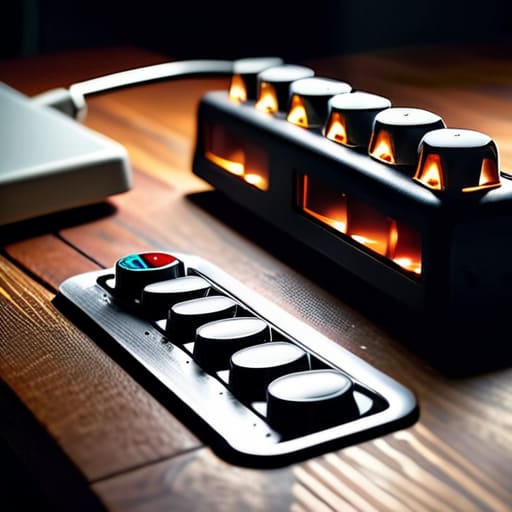
Most people think they need to install a full solar array or replace every appliance with a high-end smart model to see a difference. That’s just not true. In my audits, I usually find that the biggest wins come from addressing “phantom loads”—the energy your devices suck up even when they’re turned off. I’ve started using simple power strips for my workstation and vintage tech setups; flicking one switch to kill the standby power is one of the easiest energy efficient home practices you can adopt. It costs zero dollars and stops the slow bleed of electricity.
Beyond the hardware, it’s about tweaking your eco-conscious daily routines. I always tell my clients to look at their laundry and dishwashing habits. Running a full load on a cold cycle instead of hot can shave a noticeable amount off your monthly bill. It’s not about living in the dark; it’s about intentionality. When you stop running machines half-empty or heating water unnecessarily, you aren’t just saving money—you’re effectively auditing your own life for waste.
Energy Efficient Home Practices for the Everyday Person

Most people think living sustainably requires a complete lifestyle overhaul or a massive solar array, but it’s actually about the small, intentional habits you build into your day. I’ve found that energy efficient home practices are most effective when they aren’t a chore. For me, it’s about being mindful of phantom loads—those little vampire lights on chargers and appliances that sip power while you sleep. I usually do a quick sweep of my outlets before bed; it’s a simple way to practice low impact living tips without needing a specialized toolkit.
Another thing I’ve noticed during my audits is how much heat we lose just by being passive. You don’t need smart home tech to manage your environment; you just need to be observant. Closing your curtains as soon as the sun goes down or adjusting your thermostat by just one degree can make a massive difference in your monthly bill. Integrating these eco-conscious daily routines into your life isn’t about deprivation; it’s about stopping the bleed of wasted resources. It’s practical, it’s data-backed, and most importantly, it’s affordable.
My Top 5 "Quick Wins" for Finding Hidden Energy Leaks
- Stop treating your thermostat like a suggestion. I’ve seen so many people crank the heat to 75°F only to have it all escape through a drafty window; instead, try dropping it just two degrees and using a heavy rug to insulate your floor.
- Get yourself a cheap power strip for your entertainment setup. Most people don’t realize their TV, gaming console, and soundbar are still sipping electricity even when they’re “off”—it’s called vampire power, and it’s literally just money leaking out of your wall.
- Check your fridge seals with a simple piece of paper. If you can slide a note easily between the door and the seal, your fridge is working twice as hard as it needs to, which is a massive, unnecessary drain on your monthly bill.
- Switch to LED bulbs, but don’t just do it for the “green” factor. From a data perspective, the ROI (return on investment) is insane; they last longer and pull a fraction of the wattage, meaning you stop paying for light you aren’t even using.
- Master the art of the “cold wash.” Most of the energy your washing machine uses goes toward heating the water; switching to cold cycles for your everyday loads saves a ton of power and actually helps your clothes last longer.
The Bottom Line on Cutting Costs
Efficiency isn’t about expensive solar panels or smart home gadgets; it’s about identifying where your money is literally leaking out of your walls and windows.
Small, consistent behavioral shifts—like managing your thermostat or unplugging phantom loads—are more effective for your wallet than waiting for a massive renovation you can’t afford.
Sustainability shouldn’t be a luxury; by auditing your own habits and fixing the low-hanging fruit, you can lower your carbon footprint and your utility bills at the same time.
The Real Cost of Convenience
A low energy lifestyle isn’t about living in the dark or sacrificing comfort; it’s about realizing that every bit of energy we let leak through a drafty window or waste on an idle appliance is just money we’re throwing away.
Tobias Nkemdirim
The Bottom Line on Living Low-Energy
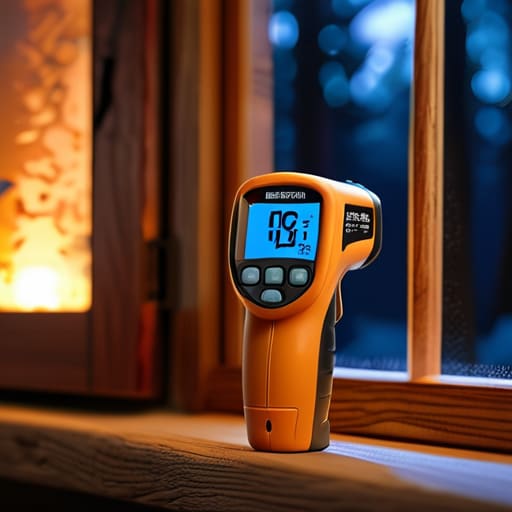
At the end of the day, building a low-energy lifestyle isn’t about some grand, expensive overhaul of your entire house. It’s about the cumulative effect of the small things we discussed: tightening up those drafts, being smarter about how we use our appliances, and actually paying attention to where our money—and our heat—is leaking out. I’ve spent enough time with my infrared thermometer to know that energy waste is often invisible until you start looking for it. By making these adjustments, you aren’t just lowering your utility bills; you are actively reclaiming control over your household budget and stopping the cycle of unnecessary consumption.
I know it can feel overwhelming when you look at the scale of the climate crisis, but please don’t let that paralyze you. You don’t need to be a millionaire to live sustainably or to make a dent in your carbon footprint. Real change happens when we stop choosing convenience over efficiency and start making intentional, data-driven choices in our own living rooms. Start with one room, one appliance, or one habit. If we all stop letting energy leak out of our lives just because it’s easy, we actually stand a chance at building a future that is both affordable and breathable.
Frequently Asked Questions
I've tried switching to LEDs, but my bill is still high—what are the hidden energy drains I might be missing?
If your LEDs aren’t moving the needle, you’re likely losing energy to “phantom loads” or poor insulation. I’ve audited plenty of homes where devices like game consoles or old coffee makers pull power even when they’re “off.” Grab my infrared thermometer; I’d bet you’ll find heat escaping through window seals or poorly insulated outlets. Stop treating your house like a sieve. Check your standby power and seal those drafts before you spend another cent on lighting.
Are there specific smart home gadgets that actually pay for themselves, or is it just marketing hype?
Look, most “smart” tech is just expensive junk designed to look cool on a shelf. If a gadget doesn’t actively stop energy from leaking, it’s just hype. However, smart thermostats and smart plugs are the real deal. I’ve audited enough homes to know that automating your heating schedule or killing phantom power to your entertainment center actually moves the needle. If it doesn’t pay for itself in utility savings within a year, skip it.
How can I make my rental apartment more energy-efficient if I'm not allowed to make permanent changes like adding insulation?
I get it—renting feels like you’re stuck with whatever thermal leaks the landlord left behind. Since you can’t tear down walls for insulation, focus on “non-invasive” fixes. Grab some heavy thermal curtains to block window drafts and use adhesive weatherstripping on door frames; it’s cheap and peels right off when you move. I also swear by draft stoppers for the bottom of doors. It’s all about creating temporary barriers to keep the heat where it belongs.
