
I still remember sitting in my old rental apartment three years ago, shivering under three layers of blankets while staring at a heating bill that made absolutely no sense. I’d check the thermostat, turn it up, and yet the air stayed biting and cold. It’s incredibly frustrating how most “green living” advice tells you that to reduce energy consumption, you need to drop thousands on solar panels or high-end smart home ecosystems. Honestly? That’s a load of rubbish. For most of us, sustainability isn’t about a massive capital investment; it’s about identifying the invisible leaks in your daily routine that are bleeding your bank account dry.
I’m not here to sell you on expensive gadgets or lifestyle overhauls that feel impossible to maintain. My goal is to give you the practical, data-driven tweaks I use in my professional audits to stop wasting power without breaking the bank. We’re going to look at the small, high-impact shifts—the kind of stuff you can actually do this weekend—to help you lower your bills and your carbon footprint simultaneously. Let’s get into the real ways to keep your home comfortable and your costs low.
Table of Contents
Smart Home Energy Management on a Budget
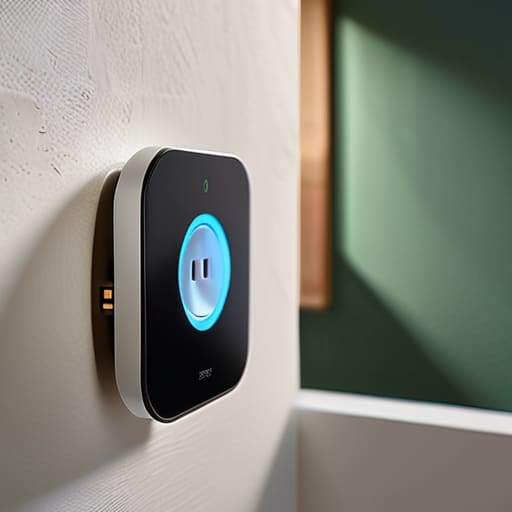
When people hear “smart home,” they usually think of expensive, flashy gadgets that don’t actually do much. But for me, it’s about utility, not vanity. You don’t need to drop thousands on a fully automated ecosystem to see a difference in your monthly costs. Real smart home energy management starts with the basics: smart plugs and programmable thermostats. I’ve seen so many people leave devices on standby or keep the heat running in empty rooms simply because it’s easier than manually adjusting them. A $20 smart plug can ensure your coffee maker or old gaming setup isn’t drawing phantom power while you sleep, which is a massive win for lowering utility bills without any lifestyle sacrifice.
I also tend to focus on the “brain” of the house. If you can control when your heavy hitters—like your water heater or washing machine—are pulling power, you’re winning. It isn’t about buying the latest high-end tech; it’s about using affordable sensors to stop the bleeding. By automating the small stuff, you’re making a consistent dent in your carbon footprint reduction efforts while keeping your wallet intact.
Home Insulation Tips That Save Your Wallet

I’ve spent more hours than I’d like to admit pointing my infrared thermometer at window frames, watching the temperature drop as the heat leaks out into the street. Most people think effective home insulation tips require a massive renovation budget, but that’s a misconception. If you’re renting or on a tight budget, start with the low-hanging fruit. Draft excluders for the bottom of doors and heavy, thermal curtains can act as a secondary barrier, keeping the warmth you’ve already paid for inside the room.
It’s about creating a seal. I always tell my clients to check the attic or crawl spaces if they own their place; even a small gap in the insulation can lead to massive heat loss. By focusing on these thermal leaks, you aren’t just helping with carbon footprint reduction, you’re directly lowering utility bills every single month. You don’t need to rip out your walls to see a difference; you just need to stop the air from moving where it shouldn’t. It’s simple physics, and it’s the most cost-effective way to stay comfortable.
Low-Cost Fixes to Stop Your Money from Leaking Out
- Audit your phantom loads. I see this all the time with my infrared thermometer—devices that are “off” but still pulling juice. Plug your entertainment center or coffee station into a cheap power strip and flip the switch when you’re done; it’s an easy way to kill that silent energy drain.
- Master your thermostat’s rhythm. You don’t need a $300 smart hub to be efficient. Just get into the habit of dropping the temp by a few degrees when you’re sleeping or out for the day. It’s about discipline, not expensive hardware.
- Switch to LED, but do it strategically. Don’t feel like you have to replace every bulb in the house overnight. Start with the high-use areas like the kitchen or living room. The upfront cost is tiny compared to what you’ll save on your monthly bill.
- Check your water heater settings. Most people have their temp set way higher than necessary. Dialing it back to about 120°F (49°C) is usually plenty for a hot shower and prevents your heater from working overtime just to maintain excess heat.
- Use your curtains as thermal barriers. In the winter, keep them open during the day to let the sun heat your rooms for free, then shut them tight the second the light fades to trap that warmth inside. It’s a zero-dollar hack that actually works.
The Bottom Line on Cutting Costs
Focus on the “leaks” first—whether it’s air escaping through a poorly sealed window or electricity bleeding from standby devices, stopping the immediate waste is your fastest way to see a lower bill.
You don’t need a high-tech overhaul to see results; small, data-backed shifts like adjusting your thermostat by just a couple of degrees or switching to smart power strips offer the best ROI for your wallet.
Sustainability shouldn’t be a luxury, so prioritize low-cost, high-impact upgrades that tackle energy loss before you ever consider spending big money on expensive new appliances.
The Reality of Wasted Energy
“Most people think sustainability requires a massive solar array or a complete home overhaul, but it’s usually much simpler than that. It’s about finding the leaks—both in your walls and in your habits—and stopping that money from literally evaporating into thin air.”
Tobias Nkemdirim
The Bottom Line on Saving Energy
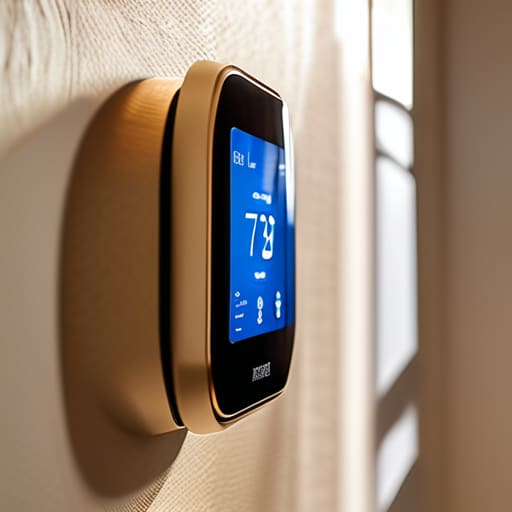
At the end of the day, reducing your energy consumption isn’t about some massive, expensive overhaul of your entire living space. It’s about the cumulative effect of those small, intentional choices we’ve talked about—from managing your smart devices more effectively to plugging those sneaky heat leaks that drive up your monthly costs. I know it can feel overwhelming when you look at a utility bill, but remember that every watt saved is money back in your pocket. By focusing on smart management and better insulation, you’re essentially stopping the bleeding of your finances while making your home a much more comfortable place to live.
I truly believe that sustainability shouldn’t be a luxury reserved for people with massive bank accounts. We don’t need to wait for perfect, high-tech solutions to start making a difference; we just need to stop being passive about how we use the resources we already have. If you start with just one or two of these tweaks, you’re already ahead of the curve. Let’s stop letting energy leak out of our windows and our wallets just because it’s convenient. It’s time to take control of your home’s efficiency and start living a little smarter, one small adjustment at a time.
Frequently Asked Questions
Are there specific smart plugs or devices that are actually worth the investment, or is it just marketing fluff?
Look, I’ve tested enough of these to know the difference between a gimmick and a tool. Most basic smart plugs are fine for scheduling lamps, but if you want real ROI, look for ones with energy monitoring. I use them to track my “vampire loads”—devices that pull power even when they’re off. If a plug doesn’t show you the actual wattage in an app, it’s probably just marketing fluff. Get the ones that give you data.
How much of a difference will DIY weatherstripping actually make compared to professional insulation?
Look, if you’re asking if weatherstripping can replace a full attic insulation upgrade, the answer is no. Professional insulation handles the heavy lifting of thermal resistance. But don’t discount DIY weatherstripping; it’s the “low-hanging fruit.” I’ve used my infrared thermometer on countless doors and windows where air was just pouring in. Sealing those gaps stops the drafts immediately. It won’t transform your home’s R-value, but it’s a cheap, high-impact way to stop wasting heat.
Is it more cost-effective to focus on heating/cooling efficiency or reducing my appliance usage?
If you’re looking for the biggest bang for your buck, focus on heating and cooling. I’ve run the numbers on countless audits, and thermal leaks are almost always the biggest culprits for high bills. While swapping out a toaster or a lamp helps, it’s a drop in the bucket compared to the energy lost through poor insulation or inefficient HVAC systems. Fix the envelope of your home first; that’s where the real savings live.
