
I still remember sitting in my old rental apartment, wrapped in three layers of blankets, watching my breath mist in the living room while my bank account bled out from utility bills. It was a freezing, expensive nightmare, and I felt like I was paying a premium just to be mildly uncomfortable. People love to tell you that the only way to reduce heating costs is to invest thousands in high-end smart thermostats or massive solar arrays, but that’s a load of rubbish. For most of us, the real culprits aren’t the gadgets we don’t have; they are the invisible leaks and bad habits we’ve simply accepted as “normal.”
I’m not here to sell you on expensive tech or lifestyle overhauls that require a massive budget. Instead, I’m going to share the practical, data-backed methods I use in my audits to find where your money is actually escaping. We’re going to focus on low-cost, high-impact tweaks—the kind of stuff you can do this weekend to stop wasting energy. My goal is to show you that living sustainably doesn’t have to be a luxury; it’s about being smarter with what you already have.
Table of Contents
Draft Proofing Windows and Doors for Immediate Savings
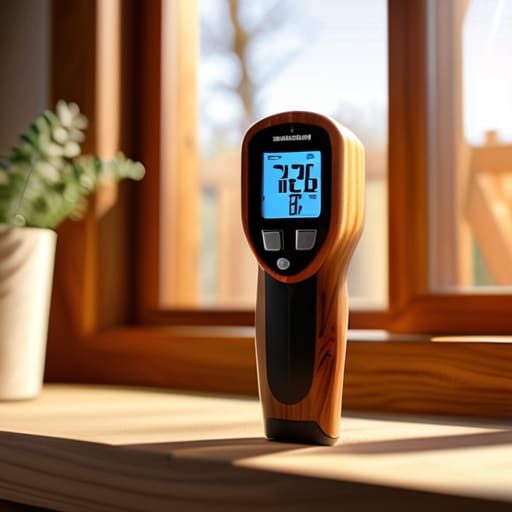
I’ve spent way too many afternoons sitting in drafty rooms, shivering while my heater worked overtime. Usually, the culprit isn’t a broken furnace; it’s the air literally leaking through the gaps in your frames. When I run audits, the first thing I do is grab my infrared thermometer and scan the perimeter of your windows. If you see those sudden temperature drops, you’re essentially paying to heat the neighborhood. Draft proofing windows and doors is probably the fastest way to see a difference in your comfort levels without a massive renovation.
You don’t need to replace every pane of glass to see results. Simple weatherstripping or even heavy, thermal curtains can make a massive dent in your utility bills. It’s all about thermal energy retention—keeping the warmth you’ve already paid for inside the living space where it belongs. If you can feel a breeze coming through a door jamb, that’s money escaping. Investing a few bucks in some high-quality adhesive foam or door sweeps is one of those small, high-impact moves that actually sticks.
Smart Thermostat Benefits to End Energy Waste
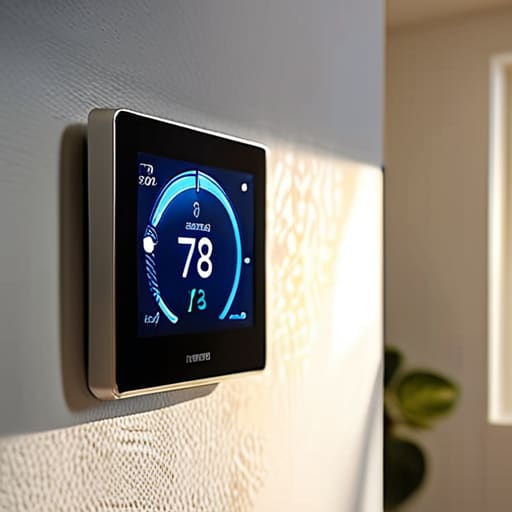
If you’re still manually cranking your heater up and down all day, you’re essentially burning cash for no reason. One of the biggest smart thermostat benefits I see during my audits is the ability to automate your schedule so you aren’t heating an empty house. I always tell my clients that a smart device acts like a brain for your HVAC system; it learns when you’re actually home and adjusts the temperature accordingly. Instead of guessing, you’re using data to ensure you aren’t wasting power while you’re at work or asleep.
It isn’t just about the convenience of controlling your home from your phone, though that is a nice perk. It’s really about precision control and preventing those massive spikes in your utility bill. When you pair a smart thermostat with other upgrades—like better insulation or even just more consistent HVAC maintenance for efficiency—you create a much more stable thermal environment. By minimizing the constant “on-off” cycling of your furnace, you’re not just saving money; you’re actually extending the lifespan of your equipment.
5 Low-Tech Hacks to Stop Your Heat from Escaping
- Check your radiator placement. If you’ve got a bulky sofa or heavy curtains sitting right in front of a heater, you’re essentially heating the furniture instead of the room. Move them back a few inches so the warm air can actually circulate.
- Master the art of thermal curtains. It sounds old-school, but heavy, insulated curtains act like a second skin for your windows. Close them as soon as the sun goes down to trap that warmth inside, and open them during the day to let the free solar heating do the work.
- Don’t ignore the “chimney effect” in your hallway. If you have a multi-story home, heat naturally rises to the top floors. Keep the doors to unused rooms closed to prevent heat from migrating to spaces you aren’t even using, and keep your living areas concentrated.
- Bleed your radiators. If you notice certain parts of a radiator are cold while others are hot, you’ve likely got trapped air inside. It’s a five-minute job with a cheap radiator key, but it makes the whole unit significantly more efficient at transferring heat to your room.
- Use rugs to insulate your floors. If you’re living in an older place with hardwood or tile, the floor acts like a giant heat sink, sucking the warmth right out of your feet. Throwing down a thick rug creates a thermal barrier that keeps the room feeling much cozier.
The Bottom Line on Lowering Your Bills
Stop treating heat like an infinite resource; sealing leaks and automating your thermostat are the fastest ways to stop paying for energy that just escapes into the street.
Efficiency isn’t about expensive solar panels or high-end tech—it’s about making the small, smart tweaks that prevent waste before it happens.
Every watt you save is a win for both your wallet and the planet, proving that sustainable living doesn’t have to be a luxury.
The Real Cost of Convenience
“We’ve been conditioned to think that keeping a house warm means cranking the heat and accepting a massive bill, but that’s just lazy engineering. Real efficiency isn’t about how much power you pump into a room; it’s about making sure the energy you’ve already paid for actually stays there.”
Tobias Nkemdirim
Making It Count
At the end of the day, cutting your heating costs isn’t about one massive, expensive renovation; it’s about the cumulative effect of the small things. We’ve looked at how simple draft proofing around your windows and doors can stop heat from literally escaping into the street, and how a smart thermostat can take the guesswork out of your daily energy consumption. By addressing these leaks and optimizing your settings, you aren’t just saving a few extra dollars every month—you are actively reclaiming control over your living space. It’s about being intentional with the energy you use rather than just letting it bleed out of your home through cracks and bad habits.
I know it can feel overwhelming when you see those rising utility bills, but don’t let the scale of the climate crisis or your bank balance paralyze you. Every single draft you seal and every degree you shave off your thermostat when you’re sleeping is a win for your wallet and the planet. You don’t need a massive solar array or a high-tech smart home to make a difference. Start where you are, use the tools you have, and remember that sustainability shouldn’t be a luxury reserved for the wealthy. Let’s stop wasting energy just because it’s convenient and start building homes that actually work for us.
Frequently Asked Questions
If I'm renting and can't make permanent changes like replacing windows, what are the best temporary ways to stop drafts?
I get it—landlords aren’t exactly known for upgrading insulation on a whim. Since you can’t swap out the windows, focus on “removable” fixes. Grab some heavy thermal curtains; they act as a massive barrier against cold glass. You can also use adhesive weatherstripping or those foam draft stoppers for the bottom of doors. I always check the seals with my infrared thermometer first; if you find a leak, just plug it temporarily.
Is it actually cheaper to keep the heat at a constant low temperature all day, or should I be turning it completely off when I leave?
I’ve run the numbers on this more times than I can count. If you’re leaving for a few hours, definitely turn it down or off. But if you’re gone all day, don’t let the house drop to freezing. It’s actually more expensive to “recover” a cold house because your heater has to work overtime to fight the thermal loss. Aim for a steady, lower baseline—think 15-17°C—rather than letting the walls go ice-cold.
How do I know if my high bills are actually due to heat loss in the structure or if my heating system itself is just inefficient?
The easiest way to tell is to grab my infrared thermometer. I point it at your walls and window frames while the heat is running; if you see massive temperature drops near the edges, your building envelope is leaking. If the walls stay warm but your bills are still spiking, your system is likely the culprit. It’s the difference between a leaky bucket and a weak pump—you need to know which one you’re filling.
