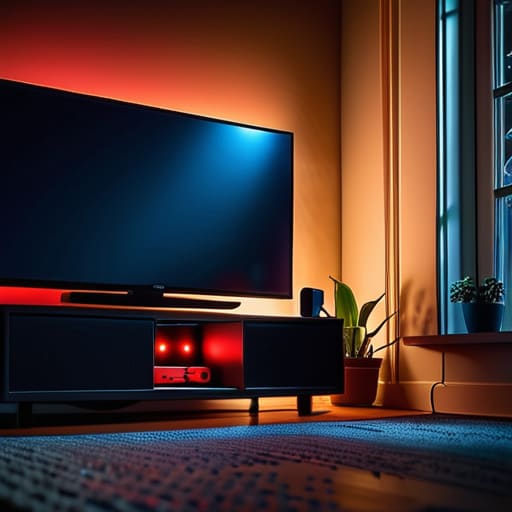
I remember sitting in my old rental apartment three years ago, staring at a utility bill that felt like a personal insult. It was mid-winter, I was freezing, and yet the numbers kept climbing despite me barely touching the thermostat. I pulled out my infrared thermometer to find the leaks, but the real culprits weren’t in the walls—they were sitting right on my kitchen counter and bedside table. We’ve been told that saving energy requires expensive solar arrays or high-tech smart homes, but that’s a lie sold to people with too much disposable income. The truth is much more annoying: you are likely bleeding money through phantom energy loads every single night while you sleep.
I’m not here to sell you on some overpriced “green” gadget that just adds another layer of complexity to your life. My goal is to show you how to stop the bleed using practical, data-driven tactics that actually work for a normal budget. I’m going to walk you through exactly which devices are stealing your cash and how to kill those loads without turning your home into a dark, lifeless cave. We’re going to focus on small, smart changes that keep your bills low and your impact even lower.
Table of Contents
Understanding the Hidden Energy Costs in Your Home

When I’m doing an audit, I don’t just look at the big stuff like the HVAC or the water heater. I’m usually pulling my infrared thermometer out to scan the outlets and the back of the media console. That’s where the real leak is happening. Most people think that if a device is switched off, it’s dead weight, but that’s a misconception. We’re talking about vampire power consumption—that constant, low-level pull that happens because your TV is waiting for a remote signal or your coffee maker is keeping a clock alive.
It’s easy to dismiss a few watts here and there, but when you add up every charger, router, and game console in a standard apartment, those hidden energy costs start to stack up. It’s not just about the environment, though that’s a huge part of my motivation; it’s about the math. You’re essentially paying a “convenience tax” every single month for devices that aren’t even performing a task. If you aren’t careful, you’re essentially bleeding money through your wall sockets without ever flipping a switch.
The Real Cost of Vampire Power Consumption

When I’m out on an audit, I often pull out my infrared thermometer and point it at a wall of electronics that are supposedly “off.” Even when a TV or a game console isn’t in use, there’s a measurable heat signature coming from the back. That heat is literally money escaping into the air. This is the reality of vampire power consumption: your devices are constantly sipping electricity just to stay ready for your next command. It might only be a few watts per device, but when you multiply that across every charger, router, and kitchen appliance in a standard apartment, the cumulative effect on your monthly budget is significant.
Most people assume their bills are high because of the heavy hitters like the AC or the water heater, but these hidden energy costs act like a slow leak in a water pipe. You don’t notice it happening, but eventually, you’re left with a massive deficit. If you aren’t using energy efficient appliances that have better standby management, you’re essentially paying a “convenience tax” every single month. It’s frustrating to see hard-earned money vanish into devices that aren’t even performing a task.
5 Low-Effort Moves to Cut the Vampire Drain
- Grab a few smart power strips for your entertainment setup. Instead of unplugging your TV, console, and soundbar every single night, a smart strip can cut the power to the peripherals completely when the main device is off.
- Stop leaving your chargers plugged into the wall if there’s no phone attached. Even if they aren’t charging anything, that little transformer inside is still pulling a tiny bit of current just to stay ready.
- Check your microwave and coffee maker settings. If they have bright LED clocks or digital displays that stay lit 24/7, they are sipping power. If you don’t actually need to know the exact second it’s 3:00 AM, consider a model with a physical toggle instead.
- Get into the habit of unplugging small appliances like toasters or blenders when you’re done with them. It’s a small manual step, but it’s a foolproof way to ensure they aren’t idling in the background.
- Use a basic energy monitor or even just my trusty infrared thermometer to find which devices feel warm to the touch while “off.” If a device is generating heat when it shouldn’t be, it’s actively bleeding your budget.
Quick Wins to Stop the Bleeding
Audit your outlets with a simple power strip; if it’s not actively being used, it shouldn’t be drawing current.
Get intentional about “standby” modes—switch off the coffee maker or the gaming console manually instead of relying on a sleep setting that still pulls power.
Use smart plugs for your non-essential tech to automate the cutoff, so you aren’t paying for electricity while you’re at work or asleep.
## The Invisible Drain
“I’ve walked into countless homes with the thermometer in hand, and it’s rarely the big appliances that catch you off guard; it’s the silent, constant hum of devices you aren’t even using that’s quietly bleeding your bank account dry.”
Tobias Nkemdirim
Cutting the Cord for Good
At the end of the day, tackling phantom energy isn’t about running a massive, expensive overhaul of your entire house. It’s about the small, tactical shifts: using smart power strips, unplugging that old coffee maker when you’re done, or finally switching to a power strip for your entertainment center. We’ve looked at how these “vampire” loads quietly drain your bank account and inflate your carbon footprint while you’re busy doing literally anything else. It’s easy to ignore because the impact feels invisible, but once you start watching the data and actually measuring those leaks, you realize how much control you really have over your monthly expenses.
I know it feels like one person flipping a switch won’t change the global energy crisis, but sustainability shouldn’t be a luxury reserved for people with massive budgets. It starts with the mindset that wasted energy is wasted money, plain and simple. By tightening up these small inefficiencies, you aren’t just saving a few bucks on your next utility bill; you’re proving that a smarter, more intentional way of living is actually possible for everyone. Stop letting your home bleed power just because it’s convenient. Grab a power strip, do a quick sweep of your outlets, and take your power back.
Frequently Asked Questions
Are there any specific appliances that are notorious for being the biggest "vampire" energy hogs in a typical house?
If you’re looking for the biggest culprits, start with your entertainment center. That massive TV, the gaming console, and the soundbar are constantly sipping power even when they’re “off.” Kitchen appliances are next—think microwaves and coffee makers with digital clocks. I also see a lot of wasted energy in home offices; those dual-monitor setups and printer standby modes add up fast. Grab your thermometer; you’ll likely find these devices staying warmer than they need to be.
If I start using smart power strips, will they actually make a noticeable dent in my monthly utility bill?
The short answer is yes, but don’t expect it to wipe out half your bill overnight. If you’ve got a media center or a home office setup where everything stays plugged in 24/7, a smart strip is a game-changer. I’ve run the numbers on several audits; they’re most effective when they automatically kill power to peripherals when your main device shuts down. It’s a small upfront cost for long-term, hands-off savings.
How can I tell if a device is actually drawing phantom power or if it's just completely off?
If you want to be certain, stop guessing and grab a plug-in energy monitor—they’re cheap and a total game-changer for my audits. You plug the device into the monitor, then plug the monitor into the wall, and it shows you the real-time wattage. If that number isn’t hitting zero when the device is “off,” you’ve found a vampire. Otherwise, just look for those annoying standby lights; if it’s glowing, it’s still eating.
