I remember sitting in my old rental apartment, shivering through a February freeze, staring at a utility bill that made absolutely no sense. I had turned everything off, yet the numbers kept climbing. It wasn’t the heater or the lights; it was the silent, invisible theft happening in the background. Most people think they need to invest thousands in “smart home” ecosystems to be efficient, but that’s just marketing fluff designed to separate you from your cash. The truth is, you’re likely losing money every single hour just by reducing appliance standby power—or rather, failing to do so. Those little red LED lights and glowing digital clocks on your microwave and TV? They aren’t just indicators; they are tiny, constant drains on your wallet.
I’m not here to sell you on expensive gadgets or complicated automation setups that require a degree to operate. My goal is to give you the straightforward, data-backed tactics I use during my own energy audits to plug those leaks. We’re going to look at the practical, low-cost ways to kill that “convenience tax” once and for all. No hype, no fluff—just real ways to keep your bills low and your home actually sustainable.
Table of Contents
The Hidden Truth About Phantom Load Electricity Costs
I remember the first time I pulled out my infrared thermometer to audit a client’s living room. Even with the heater turned off, I could see these tiny, localized heat signatures coming from the back of the TV and the gaming console. It was a wake-up call. Most people think that if a device isn’t actively running, it isn’t costing them anything. That’s a lie. What you’re actually dealing with is vampire energy consumption—that silent, constant pull of electricity that happens when devices are stuck in standby mode vs power off.
It’s not just a few cents here and there; it’s a cumulative drain that adds up to a significant chunk of your monthly statement. These phantom loads are essentially a “convenience tax” we pay for the luxury of instant-on technology. When you add up the microwave clock, the phone charger left in the wall, and the router, the phantom load electricity costs start to look a lot like a subscription service you never signed up for. It’s frustrating because it’s invisible, but once you see the data, you can’t unsee it.
Standby Mode vs Power Off Choosing Smarter
Most people think that if a device’s light is off, it’s not using anything. That’s a massive misconception. When you leave your TV or gaming console in standby mode, you aren’t actually “off”—you’re just idling. You’re paying a premium for the convenience of being able to turn things on instantly with a remote. I’ve seen this firsthand during audits; people think they’re being efficient, but they’re actually just feeding a constant stream of vampire energy consumption into their meter.
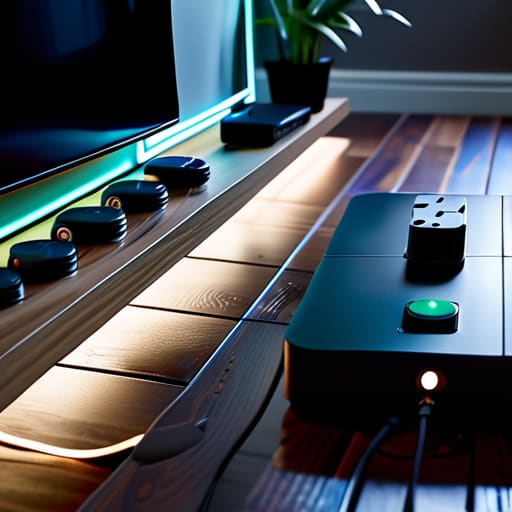
The real question is whether you should bother with the ritual of unplugging everything. For small things like phone chargers, it’s a no-brainer. For bigger setups, I usually recommend looking into smart power strip benefits. These strips can automatically cut the connection to peripherals when your main device (like a PC or media center) goes into sleep mode. It’s a much more practical way to tackle standby mode vs power off debates without having to crawl behind your desk every single night. It’s about working smarter, not harder, to keep that monthly bill from creeping up.
5 Ways to Stop the Bleed Without Losing Your Mind
- Grab a few smart power strips for your entertainment center. It’s way easier to flip one switch and kill the power to your TV, console, and soundbar all at once than it is to hunt for five different plugs every night.
- Stop the “vampire drain” in your kitchen by unplugging the coffee maker or toaster when they aren’t in use. If it has a digital clock or a little glowing light, it’s eating electricity even when you aren’t making breakfast.
- Use a cheap smart plug for your seasonal gear. If you’ve got a lamp or a fan that stays plugged in but rarely gets used, automating it to stay off during certain hours takes the guesswork out of it.
- Check your chargers. I see this all the time—phone bricks left plugged into the wall with nothing attached. Even without a device, that transformer is still drawing a tiny bit of current. Just pull them out.
- Audit your “always-on” tech with a real power meter. If you want to get serious, spend twenty bucks on a plug-in energy monitor to see exactly which appliance is the biggest offender before you start unplugging everything in sight.
The Bottom Line: How to Stop the Bleed
Treat “off” as a verb, not a suggestion; if an appliance has a standby light or a clock, it’s still eating your money.
Invest in smart power strips for your entertainment centers and home offices to kill the phantom load with a single switch.
Audit your high-drain devices with an infrared thermometer or a simple plug-in energy monitor to see exactly which “sleep mode” is actually a power hog.
The Cost of Doing Nothing
“We’ve been conditioned to think that if a device isn’t actively working, it isn’t costing us anything. But every time you leave a charger plugged in or a TV on standby, you’re essentially paying a ‘convenience tax’ that adds up to a massive leak in your monthly budget. It’s not just about the environment; it’s about stopping the slow bleed of your hard-earned money.”
Tobias Nkemdirim
The Bottom Line on Phantom Power
Look, we’ve covered a lot of ground, from identifying that sneaky phantom load to realizing that “standby mode” is often just a polite way of saying your device is still eating electricity. At the end of the day, it isn’t about being perfect or living in a dark house; it’s about making intentional choices. Whether you’re using smart power strips to kill the drain on your entertainment center or just getting into the habit of unplugging your coffee maker, these small, data-backed tweaks add up. Stop letting your appliances bleed money while you sleep just because it’s the path of least resistance.
I know it feels like a drop in the ocean when you’re staring at a massive utility bill, but I promise you, it isn’t. Every watt you save is a win for your bank account and a small victory for the planet. We don’t need a handful of people doing zero-waste living perfectly; we need millions of us doing it imperfectly but consistently. Start small, audit your own space, and reclaim that wasted energy. It’s time to stop paying the unnecessary convenience tax and start taking control of your home’s efficiency.
Frequently Asked Questions
Is it actually worth the hassle of unplugging everything, or am I just chasing pennies?
Look, I get it. Unplugging a toaster feels like a waste of time. But if you’re looking at the math, it’s not just about pennies; it’s about cumulative leakage. I’ve run the numbers on several audits, and those “small” drains add up to a significant chunk of your monthly bill over a year. It’s not about being obsessive—it’s about stopping the bleed. Use power strips to make it easy, and stop paying for electricity you aren’t even using.
Won't constantly turning my appliances on and off actually damage them or shorten their lifespan?
Look, I get the hesitation. You don’t want to kill your expensive TV just to save a few cents. For most modern electronics, the answer is no—turning them off won’t hurt them. The real “wear and tear” comes from massive power surges, but that’s rare with modern components. If you’re really worried about a specific piece of gear, just use a smart power strip. It cuts the connection entirely without you having to play manual switchboard every night.
Are smart power strips a legitimate solution, or is it just another gadget I don't really need?
Look, I get it. Most “smart” home tech feels like a gimmick designed to drain your wallet. But smart power strips? They’re actually one of the few gadgets that earn their keep. If you have a home theater or a desk setup with five different devices, manually unplugging everything every night is a massive pain. A smart strip automates that “kill switch” for you. It’s not just a toy; it’s a practical way to stop the bleed.
