I remember sitting in my old rental apartment, staring at a utility bill that made zero sense. It was mid-July, I wasn’t even running the AC much, yet the numbers were climbing. I pulled out my infrared thermometer, scanning the walls and outlets, only to realize my living room was practically bleeding energy through a dozen different plugs. We’ve been sold this idea that if a device is “off,” it’s not costing us anything, but that’s a lie. That tiny red LED on your TV or the little clock on your microwave are part of a silent drain known as standby power consumption, and it’s essentially a slow leak in your bank account that most people just ignore because it’s convenient.
I’m not here to give you some high-level, academic lecture on electrical engineering. I want to show you how to stop the bleed without turning your home into a dark, tech-free cave. I’ll be sharing the exact, practical steps I use in my audits to identify these phantom loads and the low-cost gear that actually works. My goal is simple: I want to help you reclaim your budget and cut the waste through smart, realistic changes that fit your actual life.
Table of Contents
Uncovering the Hidden Energy Costs in Homes

When I walk into a client’s living room with my infrared thermometer, I’m not just looking for drafts around the window frames; I’m looking for the invisible heat signatures of devices that never actually turn off. Most people assume that once they hit the power button on their TV or microwave, the job is done. But the reality is much different. These devices are constantly sipping power just to stay “ready,” contributing to those hidden energy costs in homes that go unnoticed until the monthly utility statement arrives. It’s a slow, silent drain on your wallet.
I’ve seen countless households struggle with high costs simply because they haven’t addressed the “vampire” load. It isn’t always about the big stuff like the fridge or the HVAC; it’s the coffee maker, the gaming console, and the laptop charger left plugged into the wall. While switching to energy star rated products helps, the real win comes from changing how we interact with our tech. If you aren’t actively using it, it shouldn’t be drawing juice. Stopping that constant, idle pull is one of the easiest ways to start seeing a real difference in your budget.
Why Standby Power Consumption Is Draining Your Wallet
Think of your electricity bill like a bucket with tiny, almost invisible holes in the bottom. You might be diligent about turning off the lights, but if your TV, microwave, and laptop chargers are all plugged in, you’re still losing water. These “vampire loads” might only pull a few watts each, but they never actually sleep. When you add them up across an entire house, you aren’t just looking at a minor nuisance; you’re looking at a significant chunk of your monthly budget vanishing into thin air.
The math is actually pretty grim once you sit down with the data. For many of us living in smaller spaces or rentals, reducing household electricity bills starts with realizing that “off” doesn’t always mean “zero.” I’ve seen households where nearly 10% of their total usage comes from devices that aren’t even being actively used. It’s a slow, silent drain that makes it incredibly difficult to hit your savings goals. Instead of just accepting these high costs as a part of modern life, we need to start treating every idle LED light as a leak in our bank accounts.
5 Low-Effort Ways to Plug the Energy Leaks
- Get smart with power strips. Instead of unplugging every single device individually, plug your entertainment center or home office setup into one high-quality power strip. When you’re done for the day, flip one switch and kill the phantom load for everything at once.
- Hunt down the “vampire” chargers. We’ve all done it—leaving a phone charger plugged into the wall even when there’s no phone attached. If it’s still plugged in, it’s still pulling a tiny bit of juice. If you aren’t using it, pull the plug.
- Check your appliance settings. Many modern machines, from microwaves to coffee makers, have digital clocks or “ready” lights that stay on 24/7. If you can live without that glowing blue display on your oven at 3 AM, turn it off or opt for a model with a physical switch.
- Use smart plugs for your non-essentials. For things like lamps or older tech I’ve been restoring, I use smart plugs to set schedules. There’s no reason for your desk lamp or a decorative light to be drawing power while you’re asleep or at work.
- Audit your “always-on” tech. I always carry my infrared thermometer to see which devices are running warm even when they aren’t “on.” If a device feels warm to the touch, it’s actively consuming energy. Make a list of these culprits and find a way to break their connection to the grid when they aren’t needed.
How to Plug the Leaks Without Breaking a Sweat
Audit your “vampire” devices by physically unplugging anything you aren’t actively using, or better yet, use smart power strips to kill the connection entirely when you head to bed.
Stop treating standby lights as harmless decorations; those glowing LEDs are active drains on your meter that add up to significant, unnecessary costs over a single year.
Prioritize energy-efficient upgrades for your tech, because even if you can’t replace everything at once, choosing devices with better standby ratings is a small win for your wallet and the planet.
## The Invisible Leak
“We spend so much time worrying about the big stuff like heating and cooling, but we ignore the silent bleed. Those little standby lights and glowing sensors are essentially tiny, unmetered leaks in your wallet that never stop running, even when you’re fast asleep.”
Tobias Nkemdirim
Cutting the Cord for Good
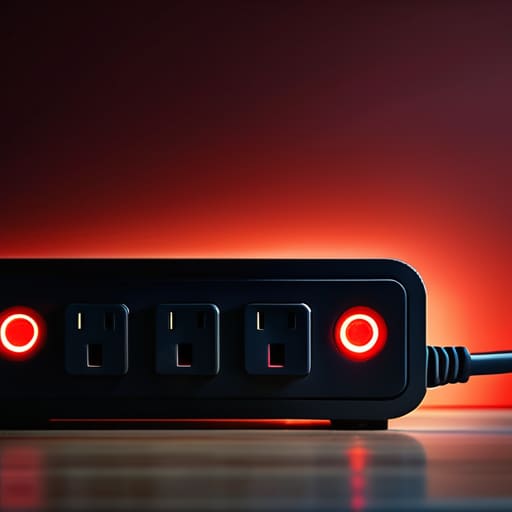
At the end of the day, tackling standby power isn’t about some massive, expensive home renovation; it’s about being mindful of the small leaks. We’ve looked at how those phantom loads creep up in our electronics, how they quietly erode your monthly budget, and how easy it is to plug the gaps using smart power strips or just a simple habit of unplugging before bed. You don’t need a PhD in environmental science to see that leaving everything on standby is essentially paying a tax on laziness. By making these small adjustments, you aren’t just saving a few cents on your utility bill—you’re actively reclaiming control over your home’s energy footprint.
I know it can feel overwhelming to try and “save the planet” when you’re just trying to make rent, but that’s exactly why these tiny wins matter so much. Sustainability shouldn’t be a luxury reserved for people with massive solar arrays and high-end smart homes. It starts right here, in the outlets we use every single day. Every time you flip a switch or pull a plug, you are making a choice to stop wasting what we have. Let’s stop letting convenience dictate our costs and start building homes that are actually efficient, affordable, and built to last.
Frequently Asked Questions
Does unplugging everything actually make a difference, or am I just wasting time and creating a cable nightmare?
Look, I get it. The idea of crawling behind your desk to unplug every single cord feels like a massive chore, and nobody wants a “cable nightmare” in their living room. But here’s the reality: unplugging everything does make a difference, especially if you have a house full of older tech. However, you don’t have to go overboard. Instead of manual unplugging, just grab some smart power strips. It’s a much more practical way to kill those phantom loads without the headache.
Are there specific "smart" devices that actually help manage this, or do they just add more phantom loads to the mix?
It’s a valid concern. If you buy a “smart” plug just to keep a device connected to Wi-Fi 24/7, you’re just adding another tiny leak to the system. However, the right tools—like smart power strips that cut juice to peripherals when your PC is off, or automated timers—are game changers. Use them to kill the phantom load, not create a new one. Always check the standby wattage of the smart device itself before buying.
How can I tell which of my appliances are the biggest culprits without buying expensive monitoring equipment?
You don’t need a fancy smart meter to play detective. Start with the “vampire hunt”: walk through your rooms after dark. Any little red, blue, or green LED glowing? That’s a culprit. Next, check the plugs. If an appliance has a digital clock that never goes dark—like your microwave or coffee maker—it’s constantly sipping power. I usually just look for the devices that stay plugged in even when they aren’t “on.”
