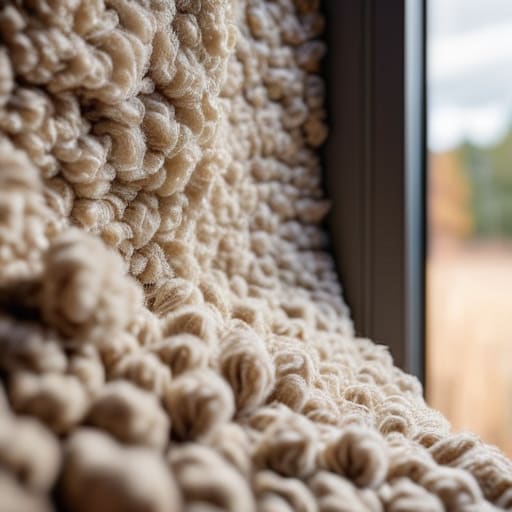
I still remember sitting in my old rental apartment three years ago, shivering under two heavy blankets while watching my heating bill climb to ridiculous heights. I’d point my infrared thermometer at the walls, only to see the temperature drop like a stone near the ceiling. It wasn’t just a comfort issue; it was a massive waste of money. Most people think that switching to eco friendly insulation requires a massive, high-end renovation budget or a PhD in environmental science to understand, but that’s a total myth. You don’t need to be wealthy to stop your heat from leaking through the cracks; you just need to be smart about where you put it.
In this guide, I’m cutting through the marketing fluff to show you what actually works. I’m not here to sell you on expensive, “green-washed” products that don’t deliver; I want to give you the practical, data-driven truth about sustainable materials. We’re going to look at real-world options that keep your home warm, your carbon footprint small, and your utility bills actually manageable. Let’s get to work.
Table of Contents
- Maximizing Your R Value of Sustainable Insulation Without Breaking the Bank
- Choosing Recycled Content Insulation Options for a Smaller Footprint
- 5 Low-Cost Ways to Seal Your Home Without Wasting Energy
- The Bottom Line on Upgrading Your Insulation
- ## The Real Cost of Doing Nothing
- The Bottom Line on Better Insulation
- Frequently Asked Questions
Maximizing Your R Value of Sustainable Insulation Without Breaking the Bank
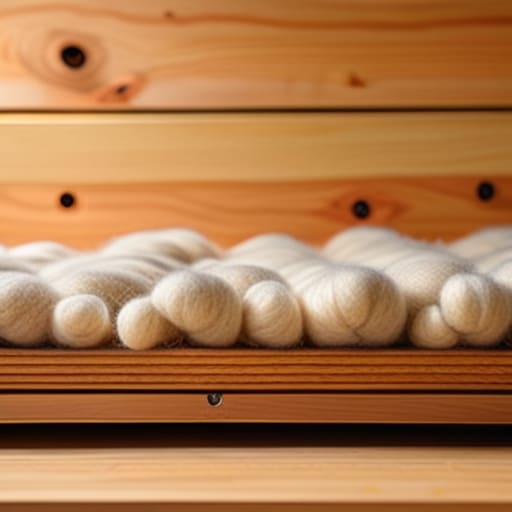
When I’m out on a site audit, I see people making the mistake of thinking they need the most expensive, high-tech materials to see a real difference. In reality, you just need to understand the R-value of sustainable insulation and how it interacts with your specific space. R-value is basically just a measure of how well a material resists heat flow. If you’re working with a tight budget, don’t just aim for the thickest layer; aim for the most consistent one. Air gaps are the enemy. Even the best sheep’s wool or cellulose can fail you if there are gaps where heat can escape.
I always tell my clients to look into recycled content insulation options like blown-in cellulose. It’s often much more affordable than high-end mineral wool, yet it fills those tiny crevices in your walls that traditional batts might miss. By focusing on a continuous thermal barrier, you’re essentially creating a more energy efficient building envelope without needing a massive construction crew. It’s about being smart with the physics of your home, not just throwing money at whatever brand looks the greenest on the packaging.
Choosing Recycled Content Insulation Options for a Smaller Footprint
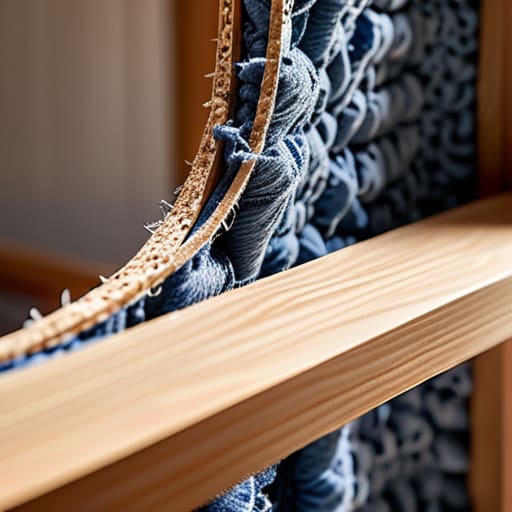
When I’m auditing a house, I don’t just look at how much heat is staying inside; I look at what that heat is actually sitting on. Most standard fiberglass batts are energy-intensive to produce, which feels counterintuitive when you’re trying to build a sustainable space. That’s why I always steer my clients toward recycled content insulation options like denim or cellulose. Using old jeans or recycled newsprint to insulate your walls is a massive win for the planet. It keeps waste out of landfills and significantly lowers the embodied energy of your entire project.
Beyond the environmental impact, these materials are often much better for your indoor air quality. Many traditional products use chemical binders that can off-gas over time, but switching to non-toxic home insulation ensures you aren’t breathing in synthetic irritants while you sleep. It’s about more than just the thermal barrier; it’s about creating a healthy, breathable environment. If you want a low carbon footprint home construction strategy that actually makes sense, looking at the lifecycle of your materials is the first place to start.
5 Low-Cost Ways to Seal Your Home Without Wasting Energy
- Check your attic hatches and recessed lighting. I’ve pulled my infrared thermometer out on dozens of audits where the biggest heat leak wasn’t the walls, but a poorly sealed attic door. A simple weatherstrip or an insulated cover can stop a massive amount of warmth from escaping.
- Don’t ignore the “invisible” gaps around windows and doors. You don’t need a full window replacement to see results; using caulk or removable weatherstripping is a cheap, practical way to stop drafts and keep your heating system from working overtime.
- Focus on your thermal envelope first. Before buying expensive new materials, make sure your existing insulation hasn’t settled or been compressed. If you’re adding more, ensure it’s packed correctly—compressed insulation loses its R-value, which is just throwing money away.
- Look for sheep’s wool or hemp options for small DIY projects. If you’re insulating a specific nook or a small crawlspace, these natural materials are easy to handle and much more sustainable than traditional fiberglass, without requiring a professional crew.
- Seal your electrical outlets on exterior walls. It sounds minor, but cold air loves to seep through those small gaps in the drywall. Installing inexpensive foam gaskets behind your outlet covers is a smart, minimalist fix that actually makes a difference in your monthly bill.
The Bottom Line on Upgrading Your Insulation
Focus on the R-value that actually fits your space; you don’t need the most expensive material on the market, just the right thickness to stop the heat from escaping.
Prioritize recycled materials like cellulose or wool to lower your carbon footprint without sacrificing the thermal performance of your home.
View insulation as a long-term investment rather than a cost—every dollar spent now on stopping drafts is a dollar you won’t be handing over to the utility company every single month.
## The Real Cost of Doing Nothing
“Most people think sustainable insulation is a luxury for the wealthy, but after years of auditing drafty rentals, I’ve seen the opposite: it’s a survival tool for your bank account. Every thermal leak you ignore is just money leaking out of your walls.”
Tobias Nkemdirim
The Bottom Line on Better Insulation
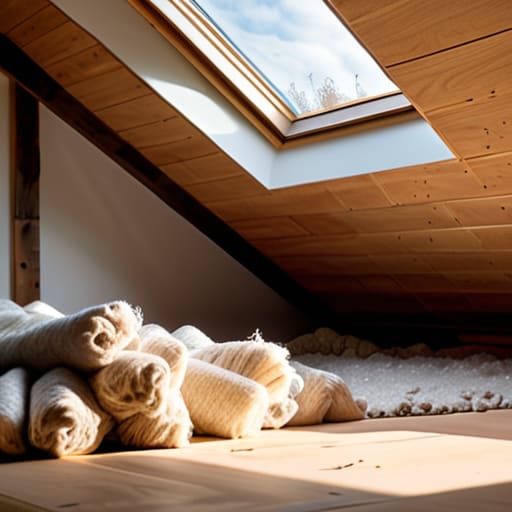
At the end of the day, upgrading your home doesn’t require a massive, high-end renovation or a massive bank account. We’ve looked at how prioritizing a high R-value keeps your heat where it belongs, and how opting for recycled materials like cellulose or sheep’s wool can drastically shrink your environmental footprint. Whether you are sealing up small gaps or committing to a full attic overhaul, the goal remains the same: stop the energy bleed. By choosing materials that are as kind to your wallet as they are to the planet, you are effectively turning your home from a sieve into a fortress. It’s about making smart, intentional choices that pay dividends in both comfort and monthly savings.
I know that looking at insulation specs and thermal resistance numbers can feel overwhelming, especially when you’re just trying to stay warm without breaking the bank. But remember, every small adjustment you make is a strike against the culture of waste we’ve grown so used to. You don’t have to be a sustainability expert to make a difference; you just have to be willing to stop wasting energy just because it’s convenient. Start where you can, audit your heat leaks, and build a home that works for you and the world around you. Sustainability is a marathon, not a sprint, and your home is the best place to start.
Frequently Asked Questions
How do I know if these eco-friendly materials will actually perform as well as traditional fiberglass in my specific climate?
Look, I get the skepticism. I’ve seen plenty of “green” products fail because they weren’t suited for the job. To be sure, don’t just look at the marketing; look at the thermal resistance rating (R-value) specifically for your climate zone. If you’re in a high-humidity area, you need materials that handle moisture without losing performance. I always recommend checking the manufacturer’s data for local climate testing—if they haven’t tested it against your specific weather patterns, skip it.
Are there any hidden costs or maintenance issues I should expect when installing recycled or natural insulation?
Look, nothing is truly “set it and forget it.” With natural options like sheep’s wool or cellulose, you have to be mindful of moisture. If you have a leak or poor ventilation, these materials can trap dampness, which leads to mold—and that’s a much more expensive problem than the insulation itself. Also, don’t skimp on the installation; if it’s compressed too tightly, you lose that R-value you’re paying for. Watch the humidity, and you’ll be fine.
Can I DIY some of these sustainable insulation upgrades, or am I going to need a professional to ensure there aren't any gaps causing heat leaks?
Honestly, it depends on the scale. If you’re just stuffing some sheep’s wool into a small attic nook or sealing gaps around a window with hemp caulk, you can definitely DIY it. But if you’re doing a full-house retrofit, get a pro. I’ve used my infrared thermometer on “DIY” jobs only to find massive thermal bridges because the person missed a single seam. One gap can ruin your entire efficiency gain.
