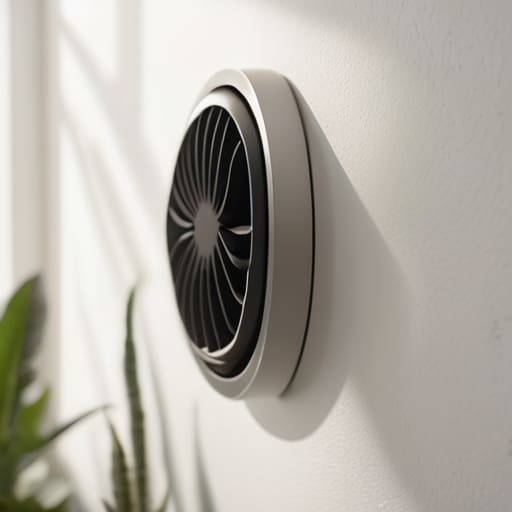
I still remember sitting in my old rental apartment, shivering under three blankets while the air felt heavy, stale, and somehow both freezing and damp at the same time. I’d open a window to get some fresh air, only to watch my heating bill spike like crazy because I was essentially throwing money into the wind. Most people think that achieving energy efficient ventilation requires some massive, high-tech HVAC overhaul that costs a small fortune, but that’s just not true. You don’t need a massive bank account to breathe cleaner air; you just need to stop letting your climate control fight against your airflow.
I’m not here to sell you on expensive, “smart” gadgets that do more harm than good. Instead, I’m going to show you the practical, data-backed ways to manage your home’s air quality without draining your wallet. We’re going to look at simple, low-cost tweaks—from strategic window management to optimizing the fans you already own—that actually work. My goal is to help you find that sweet spot where your home stays fresh, your air stays clean, and your utility bills stay under control.
Table of Contents
Maximizing Mechanical Ventilation Efficiency Without Breaking the Bank

Look, I get it. When you hear “mechanical ventilation,” you probably picture massive, expensive industrial units that require a contractor and a second mortgage. But you don’t need a high-end overhaul to see results. If you’re already running a fan or an extractor, the goal is to stop fighting against your heating system. I’ve seen so many people crank up the heat just to compensate for the cold air being pulled in through a poorly managed vent.
One of the smartest moves you can make is looking into heat recovery ventilation systems. These units are game-changers because they capture the warmth from the stale air leaving your house and use it to pre-heat the fresh air coming in. If you’re deciding between options, understanding ERV vs HRV systems is key; an ERV manages humidity too, which is vital if you live in a particularly damp climate. Even if a full system isn’t in the budget right now, installing smart ventilation controls can prevent your fans from running aimlessly, ensuring you only move air when it’s actually necessary.
Smart Ventilation Controls to Keep Your Bills Low

If you’re still running your fans on a single “on/off” setting, you’re essentially burning money. Most people treat ventilation like a light switch—it’s either blasting or dead—but that’s a massive waste of power. The real win comes from integrating smart ventilation controls that actually respond to what’s happening in your space. I always tell my clients that sensors are your best friend; instead of running a motor 24/7, you want a system that kicks in only when CO2 levels rise or humidity spikes. It’s about precision, not brute force.
This is where the tech gets interesting. If you have the budget for an upgrade, looking into heat recovery ventilation systems can be a total game-changer for your monthly overhead. Whether you’re weighing up the pros and cons of ERV vs HRV systems based on your local climate, the goal remains the same: move fresh air through the house without dumping all your expensive heated or cooled air straight out the window. It’s a small upfront investment that pays for itself by drastically cutting down on the workload your main HVAC unit has to do.
Low-Cost Hacks to Stop Wasting Air (and Cash)
- Seal the gaps around your existing vents. I’ve seen so many homes where air is leaking through the mounting gaps rather than the ductwork itself; a bit of weatherstripping or acoustic sealant can stop that wasted airflow immediately.
- Switch to high-efficiency fan blades. If you’re still running an old, clunky bathroom extractor, you’re essentially burning money to move air; upgrading to a modern, low-wattage EC motor fan pays for itself in energy savings within months.
- Clean your filters on a strict schedule. A clogged filter makes your ventilation system work twice as hard to pull the same amount of air, which is a massive, invisible drain on your electricity bill.
- Use trickle vents where possible. Instead of cranking a mechanical system, small, adjustable vents in your window frames allow for controlled, passive airflow that doesn’t require a single watt of power.
- Sync your ventilation with your heating schedule. There’s no point in running high-powered extraction during the coldest parts of the day if you can manage it with timed cycles that coincide with when the house is naturally warmer.
The Bottom Line on Breathing Smarter
You don’t need to overhaul your entire house to see a difference; start by optimizing the mechanical systems you already have to ensure you aren’t paying to heat or cool the outdoors.
Automation is your best friend when it comes to cutting costs—using smart sensors to control airflow ensures you’re only moving air when it’s actually necessary.
Effective ventilation is a balancing act between air quality and energy waste; the goal is to keep the air fresh without letting your hard-earned money leak out through the vents.
The Hidden Cost of "Fresh" Air
Most people think they’re just letting in a breeze, but if you aren’t managing your airflow, you’re actually just paying to heat the neighborhood. Real efficiency isn’t about sealing yourself in a plastic box; it’s about moving air intelligently so your wallet doesn’t feel the draft.
Tobias Nkemdirim
Making it Count
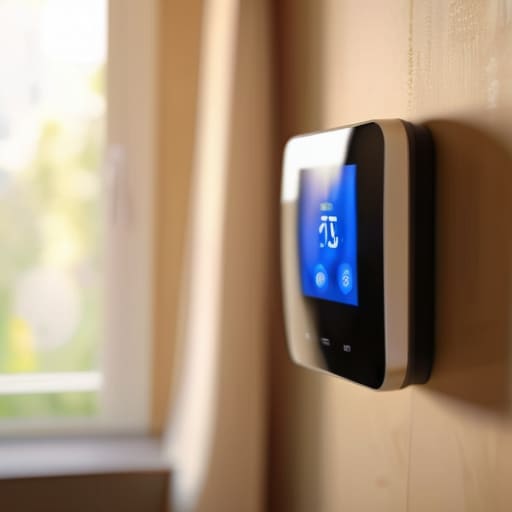
At the end of the day, getting your ventilation right isn’t about installing a million-dollar HVAC system; it’s about being intentional with what you already have. We’ve looked at how maximizing your mechanical systems, choosing the right controls, and avoiding those massive energy drains can fundamentally change your home’s ecosystem. Whether it’s a simple sensor tweak or a more strategic approach to airflow, these adjustments ensure you aren’t just moving air, but managing energy. Every bit of heat you trap and every unnecessary draft you plug is a direct win for your wallet and a small victory for the planet.
I know it can feel overwhelming to tackle home efficiency when everything feels so expensive right now, but please don’t let that stop you. You don’t need a massive renovation budget to start making an impact. Start small—check a vent, adjust a timer, or look into a more efficient fan. These tiny, pragmatic shifts are what actually move the needle over time. My goal is to show you that a sustainable, comfortable home is a right, not a luxury. Let’s stop letting our hard-earned money drift out the window and start building homes that actually work for us.
Frequently Asked Questions
Is it actually worth upgrading to a heat recovery system, or am I better off just sticking with basic trickle vents?
Look, if you’re on a tight budget, trickle vents are a decent starting point for airflow, but they’re essentially letting your expensive heat escape right out the window. If you can swing the upfront cost, a heat recovery system (MVHR) is a total game-changer. It captures the warmth from your stale air and uses it to heat the fresh air coming in. It’s the difference between just “venting” and actually managing your home’s energy.
How much will my electricity bill actually go up if I start running a mechanical ventilation system more frequently?
Look, I get the hesitation. It feels counterintuitive to turn on a fan to save money. Honestly, if you’re running a standard, modern mechanical vent, we’re talking cents, not dollars, per day. Most of these units pull less power than a single LED bulb. The real cost isn’t the electricity—it’s the heat loss. If you run it more often without managing your insulation, that’s where your bill creeps up. Keep it efficient, and the impact is negligible.
Can I make my existing ventilation more efficient with DIY fixes, or do I need to call in a professional to avoid wasting more energy?
You can definitely tackle some of this yourself. I always start with the basics: cleaning out vent covers and checking for obstructions in your exhaust fans. If you spot a drafty window or a loose seal around a vent, a bit of weatherstripping or caulk goes a long way. However, if your system is making weird noises or you suspect the ductwork itself is leaking, call a pro. Don’t DIY your way into a bigger energy leak.
