I still remember sitting in my old rental apartment, watching the utility meter spin like a frantic stopwatch every time I dared to touch the thermostat. I was broke, sweating through my shirts, and felt like I was being punished just for wanting to breathe. Most “experts” will tell you that the only way to reduce air conditioning costs is to shell out thousands for a new, high-efficiency HVAC system or some fancy smart-home gadget that costs more than it saves. Honestly? That’s a load of rubbish. You shouldn’t have to be wealthy just to stay comfortable in your own living room.
I’m not here to sell you on expensive hardware or complicated tech that requires a degree to operate. My goal is to give you the straightforward, data-backed tactics I use during my professional audits to stop energy leaks in their tracks. We’re going to focus on small, high-impact adjustments—the kind of stuff that actually moves the needle on your monthly bill without requiring a massive upfront investment. If you’re ready to stop throwing money out the window and start cooling smarter, let’s get into it.
Table of Contents
Smart Thermostat Energy Savings for Real People
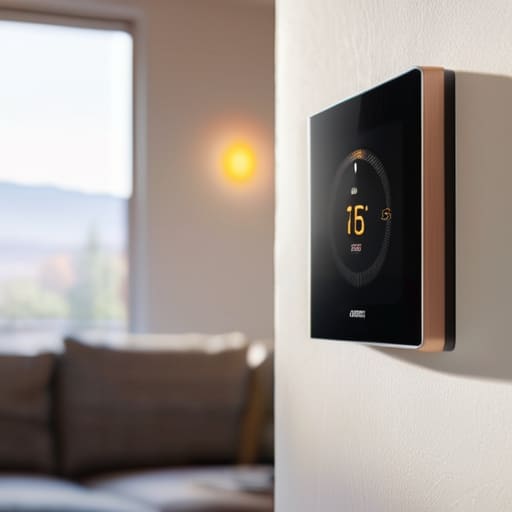
I used to think smart thermostats were just overpriced gadgets for tech enthusiasts, but after seeing the data, I changed my mind. Most of us waste a massive amount of energy cooling rooms we aren’t even using. By automating your schedule, you aren’t just being “high-tech”—you’re actively lowering monthly utility expenses by ensuring your AC isn’t working overtime when you’re at work or asleep. It’s about precision, not just convenience.
The real secret, though, lies in finding your optimal thermostat temperature settings. I always tell my clients: don’t set it to 60 degrees thinking it’ll cool the house faster; it won’t. It just makes the compressor run longer and harder. Instead, aim for a consistent, reasonable temperature and let the automation handle the shifts. When you pair these settings with a bit of awareness about how your sun hits your windows, the smart thermostat energy savings start to show up clearly on your next bill. It’s a small investment that pays for itself by stopping the constant cycle of over-cooling an empty house.
Optimal Thermostat Temperature Settings That Save Cash
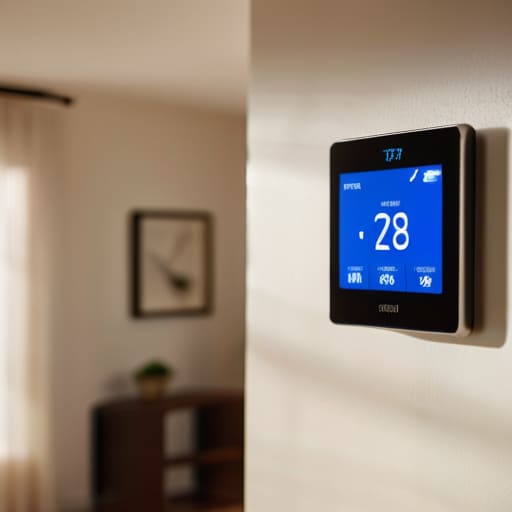
Look, I’ve spent too many afternoons standing in drafty living rooms with my infrared thermometer, watching the temperature climb because someone set the AC to “Arctic Blast” just to feel a chill. It’s a common mistake, but it’s an expensive one. Finding the optimal thermostat temperature settings isn’t about living in a sauna; it’s about finding that sweet spot where you’re comfortable without forcing your compressor to run non-stop. Generally, aiming for 78°F (26°C) when you’re home and bumping it up a few degrees when you’re out is the smartest way to start lowering monthly utility expenses without a massive lifestyle shift.
The trick is to avoid “thermostat wars.” Every time you crank the dial down to 65°F thinking it’ll cool the house faster, you’re actually just wasting money—the unit works at the same speed regardless of the setting. Instead, focus on steady, incremental adjustments. If you pair these settings with better airflow, you’ll notice a massive difference. It’s all about working smarter, not harder, to keep your space livable while keeping your bank account intact.
5 Low-Cost Moves to Stop Your AC from Bleeding Cash
- Seal those sneaky air leaks. I always grab my infrared thermometer when I walk into a room; if I see a cold draft coming from a window frame or a door gap, that’s literally money flying out of your house. Grab some weatherstripping or even just a cheap door snake to keep the cool air where it belongs.
- Manage your sunlight like a pro. It sounds simple, but keeping your blinds or curtains closed during the hottest part of the day is a game changer. You’re essentially stopping the greenhouse effect from turning your living room into an oven before the AC even has to kick in.
- Stop the “phantom” heat from appliances. Your oven, dryer, and even some older electronics dump a ridiculous amount of heat into your space. If you’re trying to keep costs down, try to avoid heavy cooking or laundry during peak heat hours—don’t make your AC fight your kitchen appliances.
- Clean your filters every single month. A clogged filter makes your unit work twice as hard to pull in air, which spikes your electricity usage. It’s a five-minute job that costs zero dollars but keeps your system running efficiently instead of straining against dust.
- Aim your fans in the right direction. Ceiling fans don’t actually lower the temperature of a room, but they create a wind-chill effect on your skin. Use them to circulate the air so you can feel comfortable even if you bump that thermostat up a couple of degrees.
The Bottom Line on Keeping Your Cool and Your Cash
Stop fighting your thermostat; set it to a realistic temperature and let smart tech handle the adjustments so you aren’t paying to cool an empty house.
Small, low-cost tweaks—like sealing window gaps or using heavy curtains—are often more effective at keeping the heat out than just cranking up the AC.
Efficiency isn’t about luxury upgrades; it’s about making smart, data-backed decisions that stop your money from literally leaking out of your windows.
## The Cost of Convenience
“We’ve been conditioned to think that keeping a house ice-cold is just the price of comfort, but most of that extra spending is actually just paying to cool the air leaking out of your windows. Real efficiency isn’t about living in a freezer; it’s about making sure the energy you pay for actually stays where it belongs.”
Tobias Nkemdirim
Cutting the Cord on High Cooling Costs
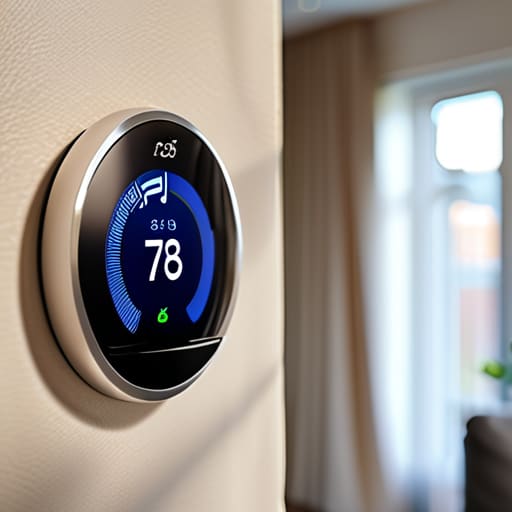
At the end of the day, lowering your AC bill isn’t about making massive, expensive renovations or living in a literal icebox. It’s about the small, intentional shifts we’ve talked about—from dialing in your thermostat settings to making sure your smart tech is actually working for you rather than against you. I’ve seen firsthand how a few simple adjustments can stop your hard-earned money from literally evaporating into thin air. When you combine smart temperature management with basic maintenance, you aren’t just saving a few bucks; you are stopping the cycle of wasted energy that most people just accept as an inevitable part of summer.
I know it can feel overwhelming when you look at those rising utility rates, but don’t let the scale of the problem paralyze you. You don’t need a massive budget to make a meaningful dent in your environmental impact or your monthly expenses. Start with one tweak this week—maybe it’s a new schedule for your thermostat or a quick check of your air filters. These minor wins add up to a much larger, more sustainable lifestyle. Remember, efficiency is a marathon, not a sprint, and every single watt you save is a step toward a smarter, more affordable way to live.
Frequently Asked Questions
Are there specific window treatments or films that actually work, or is it just a waste of money?
Look, I’ve spent way too many hours pointing my infrared thermometer at window frames to give you a generic answer. Some stuff is hype, but heat-rejecting window films are a game-changer if you have large, sun-facing windows. They block the infrared spectrum before it even enters the room. If you’re on a tighter budget, heavy blackout curtains are your best bet. It’s not just about aesthetics; it’s about creating a thermal barrier that actually holds the cool air in.
Should I focus more on upgrading my old AC unit or just finding ways to make my current one run more efficiently?
Look, I get the urge to just swap the whole unit out, but don’t go buying a new AC until you’ve audited your current setup. If your unit is relatively recent, focus on efficiency first—clean those coils and check your ductwork for leaks. It’s way cheaper than a massive upfront investment. However, if your unit is a decade old and struggling, that’s when the math shifts toward an upgrade. Check your efficiency ratings first.
How much of a difference will cleaning my filters and vents actually make on my monthly bill?
Honestly? It makes a massive difference. When your filters are clogged with dust, your AC has to work twice as hard just to pull in enough air to cool the room. It’s like trying to breathe through a thick cloth while running—you’re going to burn way more energy. I’ve seen units pull significantly more power just because they were struggling against a dirty vent. Clean them regularly; it’s the easiest way to stop throwing money away.
