I still remember sitting in my old rental apartment, wrapped in three layers of blankets, watching the thermostat climb while my bank account drained. I’d point my infrared thermometer at the window frames, watching the heat bleed out into the night like wasted cash. Most people think that getting an energy efficient hvac system requires a massive down payment and a lifestyle overhaul, but that’s a total myth. The industry loves to sell you on these high-tech, overpriced gadgets that promise the world, but often, you’re just paying for a shiny brand name instead of actual thermal performance.
I’m not here to sell you on expensive, flashy upgrades that you don’t actually need. My goal is to strip away the marketing fluff and give you the data-driven reality of what works for a normal budget. I’ll show you how to audit your current setup, identify the real culprits behind your high bills, and make smart, practical adjustments to your heating and cooling. We’re going to focus on high-impact moves that keep your home comfortable without making you choose between a warm living room and a grocery budget.
Table of Contents
Decoding the Seer Rating Explained Without the Confusion
When you’re browsing unit specs, you’re going to see “SEER” thrown around constantly. It stands for Seasonal Energy Efficiency Ratio, and honestly, it’s just a way to measure how much cooling your system provides for every watt of electricity it pulls. Think of it like the MPG on a car. A higher number means the unit is doing more work with less fuel. If you’re looking at SEER rating explained in plain terms, it’s essentially the math that tells you how much of your money is actually cooling your living room versus just disappearing into the atmosphere.
I’ve seen people get caught up in trying to chase the highest number possible, thinking it’s a magic bullet. But here’s the reality: there’s a point of diminishing returns. You want a high enough rating to ensure you’re actually reducing utility bills with HVAC upgrades, but you don’t need to go overboard if your home is already well-insulated. It’s about finding that sweet spot where the upfront cost of a high-efficiency unit aligns with the long-term savings on your monthly statement.
High Efficiency Heat Pumps Sustainable Comfort That Saves You Cash
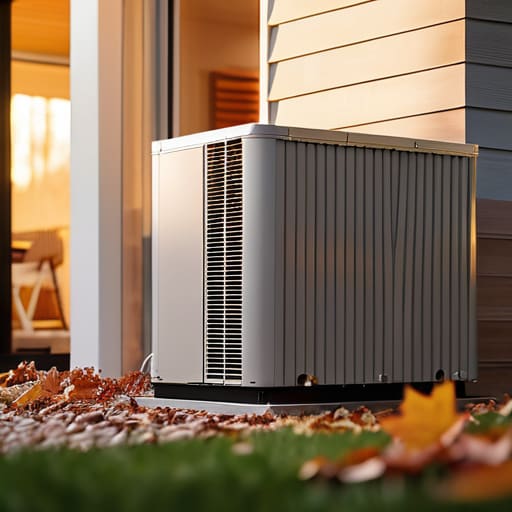
If you’re still relying on an old furnace or a window AC unit, you’re essentially burning money to fight the weather. I’ve audited enough homes to know that the biggest culprits for sky-high bills are often outdated heating and cooling systems. This is where high-efficiency heat pumps change the game. Unlike traditional systems that generate heat through combustion, a heat pump simply moves it from one place to another. It’s a much more elegant way to manage your indoor temperature, and it’s one of the most effective ways of reducing utility bills with HVAC upgrades.
The real magic happens when you pair a modern heat pump with smart thermostat integration. I always tell my clients that a high-end unit is only as good as the brain controlling it. By using a smart thermostat, you can automate your home’s climate based on when you’re actually there, rather than heating an empty house all day. It’s about being intentional with your energy use. You don’t need to overhaul your entire house to see a difference; you just need to stop using technology that works against your wallet and the planet.
5 Low-Cost Moves to Stop Your HVAC From Bleeding Cash
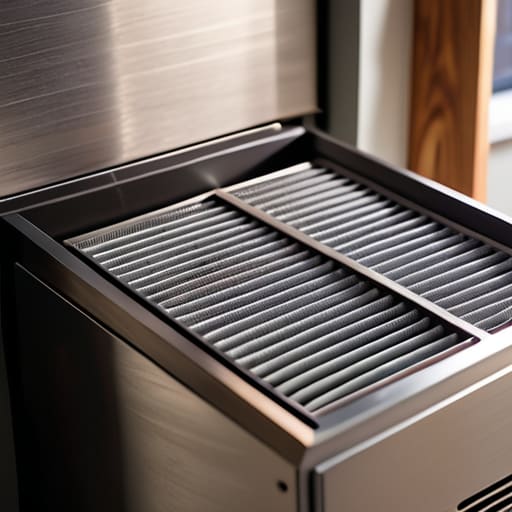
- Stop ignoring your air filters. I see this all the time during audits—people letting thick layers of dust choke their systems. A clogged filter makes your unit work twice as hard to pull in air, which spikes your bill and wears out the motor. Swap them out every 90 days; it’s a five-minute job that pays for itself in energy savings.
- Seal the leaks around your ductwork. If you have exposed ducts in a basement or attic, you’re basically paying to heat the crawlspace instead of your living room. Grab some foil tape or duct mastic to seal those gaps. It’s not glamorous, but if you don’t fix the leaks, even the most expensive high-efficiency unit is just throwing money into the void.
- Get smart with your thermostat settings. You don’t need to live in a cave, but “set it and forget it” is a myth that costs you money. Use a programmable thermostat to dial back the intensity when you’re at work or sleeping. Even a 2-degree shift can make a noticeable dent in your monthly utility statement.
- Keep your outdoor unit clear of debris. I’ve walked up to houses where the condenser was practically buried in tall grass or surrounded by dead leaves. Your HVAC needs to “breathe” to release heat effectively. Keep a one-foot clearance around the unit so it isn’t struggling against a wall of weeds.
- Optimize your airflow with strategic fan use. If you have a ceiling fan, use it to help circulate the air your HVAC is working so hard to move. In the summer, run them counter-clockwise to create a breeze; in the winter, switch them to clockwise at a low speed to push the trapped warm air down from the ceiling. It takes the heavy lifting off your main system.
The Bottom Line on Your HVAC Upgrade
Don’t just chase the highest SEER rating you see on a sticker; look for the sweet spot where the efficiency boost actually justifies the upfront cost for your specific home.
If you’re looking for the best bang for your buck in terms of both comfort and carbon footprint, a high-efficiency heat pump is almost always the smartest move.
Efficiency isn’t just about the machine itself—it’s about making sure you aren’t paying to heat the outdoors through leaks or poor insulation.
## The Cost of Convenience
“We’ve been conditioned to think that comfort requires massive amounts of power, but that’s just bad math. A high-efficiency system isn’t a luxury item for the wealthy; it’s a tool to stop the literal drain on your bank account every time the seasons shift.”
Tobias Nkemdirim
Making the Shift

At the end of the day, upgrading your HVAC isn’t just about picking a shiny new unit from a catalog; it’s about understanding how your home actually breathes. We’ve looked at how decoding SEER ratings can prevent you from overpaying for mediocre performance, and why heat pumps are arguably the smartest investment you can make for both your wallet and the planet. Whether you are looking at a full system overhaul or just optimizing what you already have, the goal remains the same: stop letting your hard-earned money leak out through inefficient machinery and poorly insulated ducts. It is about being intentional with your energy use so that your comfort doesn’t come at an unreasonable cost.
I know that looking at these upgrades can feel overwhelming, especially when you’re staring down a massive quote from a contractor. But remember, sustainability shouldn’t be a luxury reserved for the wealthy. Every small, data-driven decision you make—from choosing a higher efficiency rating to switching to a heat pump—is a step toward a more resilient lifestyle. You don’t have to do everything at once, but you do have to start somewhere. Let’s stop treating energy waste as an inevitability and start treating it as a problem we can actually solve. Your future self, and your bank account, will thank you.
Frequently Asked Questions
How long does it actually take for the energy savings to pay off the upfront cost of a high-efficiency unit?
It really depends on your local utility rates and how much you’re currently overpaying, but I usually see the “break-even” point land between five and seven years. If you live in a climate with brutal winters, that timeline can shrink. I always tell my clients: don’t just look at the sticker price. Look at the monthly delta. If the unit pays for itself in savings by the time it needs its first major service, you’ve won.
Can I just upgrade my current thermostat, or do I need to replace the entire HVAC system to see a real difference?
It depends on how much of a “leak” you’re trying to plug. If your system is relatively new, a smart thermostat is a massive win—it stops you from heating an empty house. But if your unit is a decade old and struggling, a new thermostat is just putting a band-aid on a broken bone. I usually tell clients: upgrade the brain (thermostat) first, but if the lungs (the HVAC) are failing, you’re just wasting money.
Are there specific maintenance habits I should follow to make sure my system doesn't start wasting energy after a year or two?
Look, an HVAC system is only as efficient as the care you give it. If you let dust build up, your unit works twice as hard to do half the job. Start with a monthly filter check—don’t wait for it to look gray. Clean your outdoor condenser coils annually to keep airflow clear, and if you notice a sudden spike in your bill, grab your thermometer. Small leaks or debris can tank your efficiency fast.
