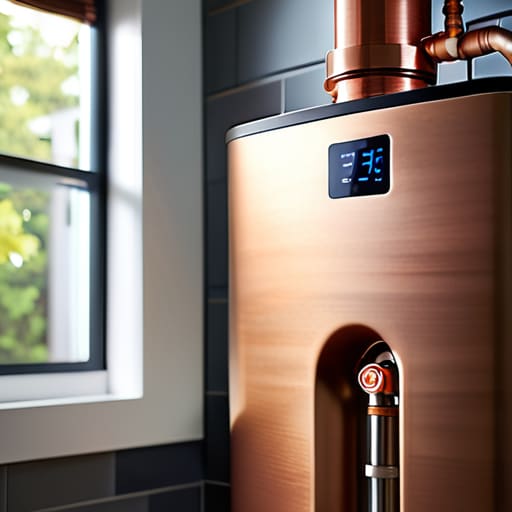
I still remember the winter I spent in that drafty rental apartment, shivering through morning showers because the water temperature was a constant, expensive gamble. I’d stand there, staring at the tap, wondering why I was paying a premium for lukewarm water that felt more like a compromise than a comfort. Most people think upgrading your water heaters requires a massive, soul-crushing investment or a complete home overhaul, but that’s just marketing noise designed to keep you spending. The truth is, most of us are just leaking money through outdated tech and poor settings without even realizing it.
I’m not here to sell you on some futuristic, high-tech gadget that costs more than your monthly rent. Instead, I want to show you how to audit your setup and make the smart, tactical shifts that actually move the needle on your utility bills. My goal is to give you a practical roadmap for choosing and maintaining equipment that works for your budget and the planet. We’re going to cut through the jargon and focus on what actually matters: keeping your hot water reliable while slashing your energy waste.
Table of Contents
Tankless vs Traditional Water Heaters Which Saves More
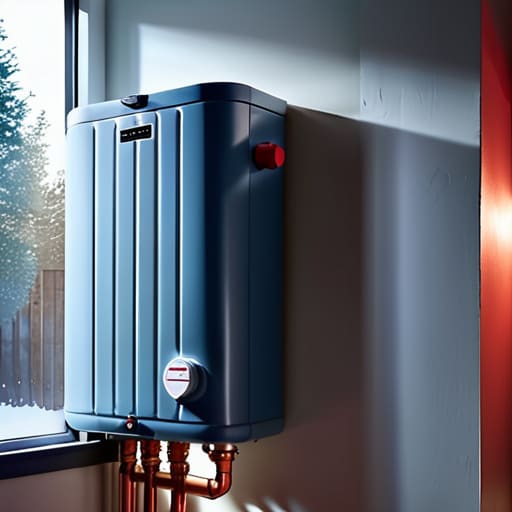
When I’m auditing a home, the debate between tankless vs traditional water heaters is usually where the biggest energy leaks hide. Traditional tanks are essentially giant, insulated thermoses that spend 24/7 fighting to keep a massive volume of water hot, even when you’re sleeping or at work. It’s a constant cycle of heating and cooling that feels incredibly wasteful to me. If you’re looking at reducing hot water energy consumption, that standby heat loss is your biggest enemy.
On the flip side, tankless units only fire up when you actually turn on the tap. They’re much more compact and definitely more efficient for the long haul, but they aren’t a magic bullet. The upfront cost is higher, and you have to be diligent about water heater maintenance tips—like descaling the unit—to ensure it doesn’t lose its edge. Whether you go with electric vs gas water heaters, the real winner is whichever one fits your actual usage patterns without leaving energy on the table. It’s not about having the most expensive tech; it’s about making sure you aren’t paying to heat water you aren’t even using.
Electric vs Gas Water Heaters Finding Your Best Fit
When I’m auditing a home, the debate between electric vs gas water heaters usually comes down to two things: your local utility rates and your existing infrastructure. Gas is often the go-to for people looking for lower upfront costs and faster recovery times, especially in colder climates. However, if you’re looking at long-term sustainability, electric options—specifically those paired with solar or renewable grids—are much cleaner. It’s not just about the fuel source, though; it’s about how much you’re paying to move that heat from the source to your shower.
If you’re leaning toward gas, you have to be mindful of ventilation and the potential for carbon monoxide leaks. On the flip side, electric units are generally easier to install in tight spaces, but they can put a heavy strain on your electrical panel if you aren’t careful. Ultimately, finding the right balance involves looking at your monthly usage patterns. If you’re a high-volume user, the efficiency gains from a high-end electric model might actually outweigh the initial savings of a cheap gas unit by significantly reducing hot water energy consumption over the next decade.
5 Low-Cost Moves to Stop Your Water Heater From Bleeding Cash
- Dial it back. Most manufacturers set your temperature at 140°F (60°C), but honestly, that’s overkill for most households. I always recommend dropping it to 120°F (49°C). You’ll still get plenty of hot water, but you’ll stop paying to heat water you don’t actually need.
- Insulate the “hot spots.” If you have an older tank in a basement or garage, it’s likely losing heat through the sides. Grab a cheap insulating blanket for the tank and some foam sleeves for the first few feet of hot water pipes. It’s a tiny investment that pays for itself in a few months.
- Stop the “phantom” heat loss. If you aren’t using hot water for several hours—like overnight—your heater is still working hard just to keep that tank scalding. If you’re on a budget, look into a timer or just get used to the idea of a slightly shorter shower to minimize the load.
- Check your pressure. If your shower feels like a power washer but you’re using half the water, your pressure might be too high. High pressure forces your heater to work harder and wastes water. Installing a low-flow showerhead is a two-minute fix that actually makes a measurable difference in your monthly bill.
- Flush the sediment. Over time, minerals build up at the bottom of your tank, creating a layer of “gunk” that acts as an insulator between the heating element and the water. This makes your heater work twice as hard to do half the job. A quick annual flush keeps the system efficient and prevents expensive repairs down the road.
The Bottom Line: Making the Right Call
Don’t just look at the sticker price; a cheaper unit that leaks heat or uses inefficient heating elements will cost you way more in utility bills over the next five years.
Match your tech to your lifestyle—if you’re a one-person household or rarely use hot water, a tankless system is a massive win for both your wallet and the planet.
Maintenance is the most underrated efficiency hack; even the best water heater becomes a money pit if you ignore sediment buildup or failing components.
## The Real Cost of Hot Water
“Most people look at the sticker price of a new water heater and think they’re done, but if you aren’t looking at the efficiency rating, you’re basically signing a blank check to your utility company every single month.”
Tobias Nkemdirim
Making the Right Call
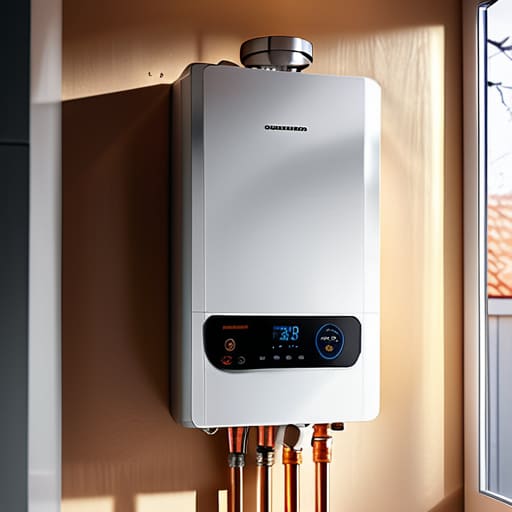
At the end of the day, choosing a water heater isn’t about picking the flashiest model on the market; it’s about matching the tech to your specific lifestyle and budget. We’ve looked at how tankless systems can slash your footprint through on-demand heating, and how the choice between gas and electric often comes down to your local utility rates and existing infrastructure. Whether you go for the high upfront investment of a high-efficiency unit or stick with a more traditional setup, the goal remains the same: minimizing heat loss and maximizing every cent you spend on utilities. Don’t feel pressured to overhaul everything overnight, but do keep a close eye on your energy consumption patterns to see where your real opportunities for savings lie.
I know that thinking about appliances can feel overwhelming and, frankly, a bit dry, but these small shifts in how we heat our water are where real change happens. You don’t need a massive renovation or a huge bank account to start living more sustainably. It’s about making intentional, data-backed decisions that serve both your wallet and the planet. Every time you choose efficiency over convenience, you’re proving that a low-impact lifestyle is actually achievable for the rest of us. Let’s stop letting our money—and our energy—just vanish into thin air.
Frequently Asked Questions
How often do I actually need to flush my tank to keep it running efficiently?
I’d say once a year is the sweet spot. I usually check my clients’ tanks during audits, and sediment buildup is almost always the culprit behind rising energy bills. If you live in an area with hard water, you might need to do it every six months. Think of it like clearing a clogged filter; if you let that sludge settle at the bottom, your heater has to work twice as hard just to reach the right temperature.
Is it worth the upfront cost to switch to a heat pump water heater if I'm on a tight budget?
If you’re on a tight budget, the short answer is: yes, but don’t do it today. Heat pump water heaters are incredible—they can slash your energy use by up to 70%—but that high upfront cost is a real barrier. Instead of draining your savings, look for local rebates or federal tax credits first. If you can bridge that price gap with incentives, the monthly savings will pay you back long before a traditional unit does.
How can I tell if my current water heater is leaking heat or just getting old and inefficient?
I usually pull out my infrared thermometer for this. If you see a massive temperature drop right at the tank’s surface compared to the pipes, you’re likely losing heat through poor insulation. But if the unit is just taking longer to recover after a shower, or if you’re seeing sediment buildup in the tank, it’s probably just old and struggling. Check for any dampness around the base first—a slow leak is a silent budget killer.
