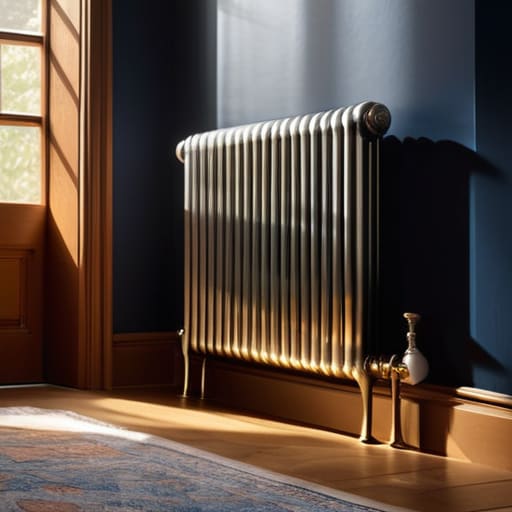
I still remember the winter I spent in my first rental; I’d sit there, shivering in three layers of wool, watching the radiator hiss away while the wall behind it soaked up every bit of heat like a sponge. It felt like I was literally burning money just to keep the masonry warm. People will try to tell you that you need a full-scale retrofit or a massive solar investment to fix a drafty room, but that’s just expensive nonsense. Most of the time, you’re just losing heat to the wrong places, and a simple set of radiator reflectors can stop that thermal leak before it even starts.
I’m not here to sell you on some high-tech, overpriced gadget that promises the moon. My goal is to give you the straight-up truth based on what actually works when you’re looking at a real utility bill. I’ll show you exactly how to use these foils to redirect heat back into your living space, which ones are worth the buy, and how to install them without making a mess. Let’s get your home warm without draining your bank account.
Table of Contents
The Magic of Radiator Heat Reflection Technology
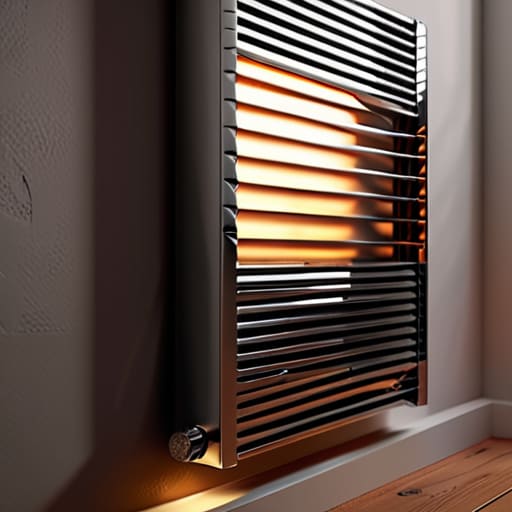
Think about how a radiator actually works. Most people assume the heat is just flowing freely into the room, but if your radiator is sitting against an external wall, a massive chunk of that thermal energy is actually being sucked straight into the masonry. It’s basically heating the outdoors instead of your living room. This is where radiator heat reflection technology steps in to change the math. Instead of letting that warmth vanish into the bricks, a specialized layer of foil acts like a mirror for heat, bouncing the infrared radiation back into your living space.
When I’m out on an audit, this is one of the first things I look for. By installing energy saving radiator foil, you aren’t just adding a layer of material; you’re creating a thermal barrier that forces the heat to stay where you actually need it. It’s a simple physics hack that helps maximize heat distribution throughout the room. You aren’t changing the radiator itself, just ensuring that every bit of energy you’ve paid for actually contributes to your comfort rather than just warming up the neighbor’s garden.
Maximize Heat Distribution Without Spending a Fortune
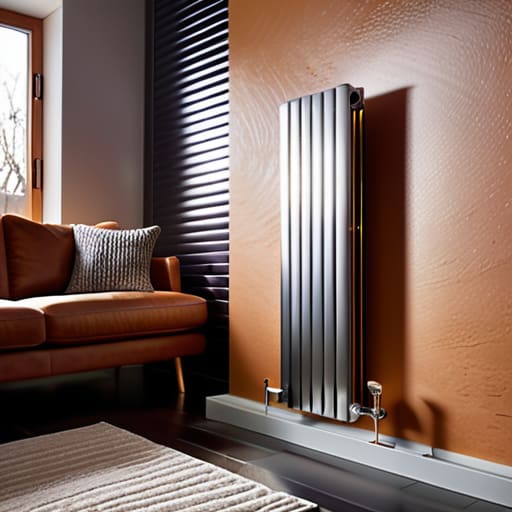
The real trick isn’t just about blocking the cold; it’s about redirection. When I’m auditing a room, I often see radiators positioned against external walls. Without a barrier, that heat is essentially a gift to the outdoors, soaking straight into the masonry. By installing energy saving radiator foil, you’re essentially creating a thermal mirror. Instead of the warmth bleeding into the brickwork, it bounces back into the living space. This is one of those low-effort, high-reward home energy efficiency tips that actually moves the needle on your comfort levels.
You don’t need a massive renovation budget to see the difference. If you want to maximize heat distribution, focus on the areas where your radiators sit furthest from the center of the room. It’s about making sure every BTU you pay for is actually working to warm your skin, not your foundation. I always tell my clients: stop treating your heating system like a blunt instrument and start treating it like a precision tool. A bit of thermal insulation behind radiators ensures the warmth stays where you can actually feel it.
5 Pro Moves to Get the Most Out of Your Reflectors
- Stop the thermal leak: Always place your reflectors on the wall directly behind the radiator. If there’s even a small gap between the panel and the wall, you’re letting heat escape into the masonry instead of pushing it back into the room.
- Check your spacing: Don’t let furniture crowd your radiators. If you’ve installed reflectors but then shove a heavy sofa right against the unit, you’re just creating a pocket of trapped, wasted heat. Keep the airflow clear.
- Match the material to the room: For a quick DIY fix, even a heavy-duty foil can work, but if you want something that actually lasts, invest in purpose-built reflective boards. They’re sturdier and won’t peel or look like a science experiment after six months.
- Use my infrared trick: Grab a handheld thermal scanner—or just use your hand if you’re feeling old school—to check the wall temperature behind the radiator. If the wall feels warm, your reflector isn’t doing its job or isn’t positioned correctly.
- Don’t forget the corners: If you have radiators tucked into alcoves or corners, reflectors are even more critical there. These are prime spots for heat to get “lost” in the architecture, so make sure those surfaces are shielded.
The Bottom Line: Small Fix, Big Impact
Stop letting your heat escape into the masonry; a simple reflector acts as a thermal barrier that directs warmth back into your living space where it actually matters.
You don’t need a massive renovation to see results—installing these is a low-cost, DIY win that pays for itself through lower monthly utility bills.
Think of it as a strategic upgrade for your home’s efficiency: it’s one of the easiest ways to stop wasting energy just because it’s convenient to leave the heating cranked up.
The Real Cost of a Cold Wall
“I’ve spent too many audits watching heat literally soak into brickwork instead of warming a room. Using a reflector isn’t just a ‘home hack’; it’s about refusing to let your utility budget disappear into a wall that doesn’t even care if you’re cold.”
Tobias Nkemdirim
Stop Leaking Heat and Start Saving
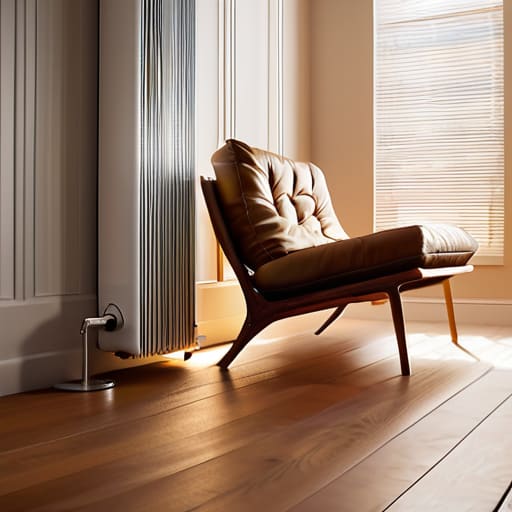
At the end of the day, radiator reflectors are one of those rare, low-effort wins in the world of home efficiency. We’ve looked at how they work by bouncing thermal radiation back into your living space rather than letting it soak into a cold, exterior wall. By strategically placing these foils behind your heaters and ensuring your radiators aren’t blocked by heavy furniture, you’re essentially plugging a hole in your wallet. It isn’t about complex engineering or expensive smart-home ecosystems; it’s about the simple, data-backed reality that redirecting heat is much smarter than just generating more of it.
I know it can feel overwhelming to try and “go green” or lower your bills when the cost of living is constantly climbing. But sustainability shouldn’t be a luxury reserved for people with massive renovation budgets. My goal is to show you that you can take control of your environment through small, intentional shifts. Installing a few reflectors might seem minor, but it’s a step toward a home that works for you, not against you. Let’s stop accepting high bills as an inevitability and start making small, smart changes that actually make a difference for our pockets and the planet.
Frequently Asked Questions
Will these reflectors actually work if my radiators are electric rather than water-based?
Short answer: Yes, they still work. The physics doesn’t change just because you’re using a heating element instead of hot water. Whether it’s a water-based radiator or an electric panel, the goal is the same: stop that heat from being absorbed by a cold, exterior wall. If you’re using electric heaters, you’re likely paying a premium for that power, so catching those escaping rays and bouncing them back into the room is even more critical.
Are there any safety risks, like fire hazards, if I place these too close to the heating elements?
It’s a fair question, and honestly, it’s the one I get most when I’m doing site audits. Generally, no—they aren’t a fire hazard if you use the right kind. Most reflectors are made of foil-faced foam or specialized heat-resistant materials designed specifically for this. Just avoid anything DIY with flammable materials like cardboard. Stick to purpose-built products, keep them a tiny bit of breathing room from the actual metal, and you’re golden.
Do I need to replace my current radiator covers, or can I just stick these directly onto the wall behind the unit?
You definitely don’t need to replace your covers. In fact, most of the radiator covers out there are actually working against you by trapping heat. I usually recommend sticking the reflective panels directly to the wall behind the unit. It’s much more efficient because there’s nothing blocking the heat from bouncing back into the room. It’s a quick, low-cost fix that actually does the job without the unnecessary expense of new furniture.
