I still remember the biting chill of my first rental apartment—a place where the heater ran constantly, yet I still spent my evenings huddled under three blankets just to stay warm. I’d sit there, watching my bank account drain alongside the heat escaping through cracks I couldn’t even see, feeling like I was literally paying to heat the outdoors. Most people think achieving home energy efficiency requires a massive renovation or a sudden windfall of cash to install solar arrays and smart glass, but that’s a lie sold by people who don’t care about your monthly budget.
I’m not here to sell you on expensive, high-tech gadgets that take years to pay for themselves. Instead, I’m going to show you how to use a bit of data and some practical, low-cost tactics to stop the leaks in your wallet and your living space. We’re going to focus on the small, smart adjustments that actually move the needle, ensuring you can live sustainably without breaking the bank.
Table of Contents
Lowering Utility Costs Through Simple Smart Habits
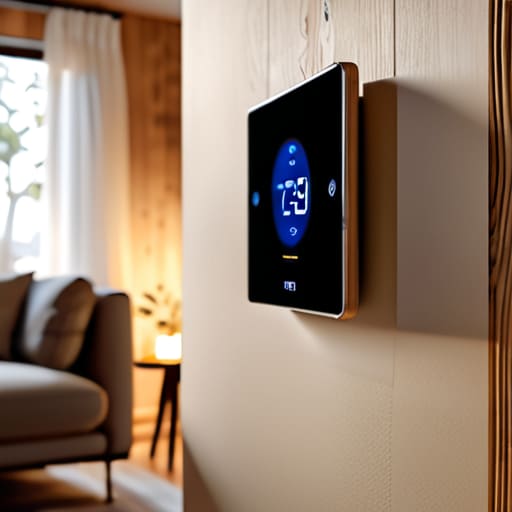
Most people think saving money on power requires a massive overhaul, but I’ve learned that the biggest leaks in your budget often come from mindless daily habits. I remember sitting in my old apartment, shivering while the heater ran full blast because I couldn’t be bothered to adjust it. Now, I suggest starting with something as simple as a schedule. One of the biggest smart thermostat benefits is the ability to automate your climate control so you aren’t heating an empty house. It’s about being intentional; if you aren’t in the room, the energy shouldn’t be either.
Beyond the tech, it’s about how you interact with your existing gear. I always tell my clients to keep an eye on their laundry and dishwasher habits. Running these machines only when they are actually full might seem like a minor chore, but it’s a massive step toward lowering utility costs over a single year. It’s not about living in the dark; it’s about stopping the invisible drain on your bank account by making sure every kilowatt you pay for is actually doing something useful.
Why Home Insulation Upgrades Are Worth Every Penny

I’ve spent more hours than I’d like to admit pointing my infrared thermometer at drafty window frames and poorly insulated attic hatches. What I always find is the same story: you’re essentially paying to heat the outdoors. While people often jump straight to buying fancy energy efficient appliances, those high-tech gadgets can only do so much if your home’s thermal envelope is a sieve. Investing in home insulation upgrades is the most logical move you can make because it addresses the root cause of energy loss rather than just treating the symptoms.
Think of it as the foundation of your entire setup. If you seal the leaks first, your heating and cooling systems don’t have to work overtime just to fight a losing battle against the weather. This isn’t just about lowering utility costs—though that’s a massive win for your bank account—it’s about creating a stable environment. When your home actually holds onto the temperature you set, you’re reducing your carbon footprint at home by sheer necessity. It’s the most practical way to stop the constant cycle of wasting power just to stay comfortable.
5 Low-Cost Fixes to Stop Your Heat From Escaping
- Seal the gaps around your windows and doors. I’ve used my infrared thermometer more times than I can count to find those tiny, invisible drafts that turn a cozy room into a wind tunnel; a simple roll of weatherstripping or some caulk can make a massive difference.
- Switch to LED lighting across the board. It sounds basic, but if you’re still running old incandescent bulbs, you’re essentially paying for a tiny space heater that happens to give off light; LEDs use a fraction of the power and last way longer.
- Manage your curtains like a pro. Open them wide during the day to let the sun naturally warm your living space, but close them tight as soon as the sun goes down to create an extra layer of thermal protection against the evening chill.
- Stop letting your water heater work harder than it needs to. Lowering your thermostat by just a few degrees—or making sure it’s not set to a boiling temperature—can shave a decent chunk off your monthly bill without you even noticing the difference in your shower.
- Unplug your “vampire” electronics. Even when they’re off, things like gaming consoles, coffee makers, and old chargers are constantly sipping power from your outlets; using a power strip to cut the connection entirely is an easy win for your wallet.
The Bottom Line on Saving Energy
Efficiency isn’t an “all or nothing” game; small, consistent habit shifts often yield better long-term savings than waiting for a massive renovation you can’t afford.
Stop treating insulation as a luxury; it’s actually one of the most practical ways to trap your money inside your walls instead of letting it leak out into the atmosphere.
Use data, not guesswork—tools like an infrared thermometer can show you exactly where your home is failing you, so you aren’t wasting money on fixes that don’t matter.
The Real Cost of Inefficiency
Most people think going green requires a massive solar array or a complete home renovation, but the truth is much simpler: every drafty window and unoptimized heater is just a leak in your bank account. Efficiency isn’t about luxury; it’s about making sure the money you work hard for actually stays in your pocket instead of escaping through the cracks in your walls.
Tobias Nkemdirim
The Bottom Line
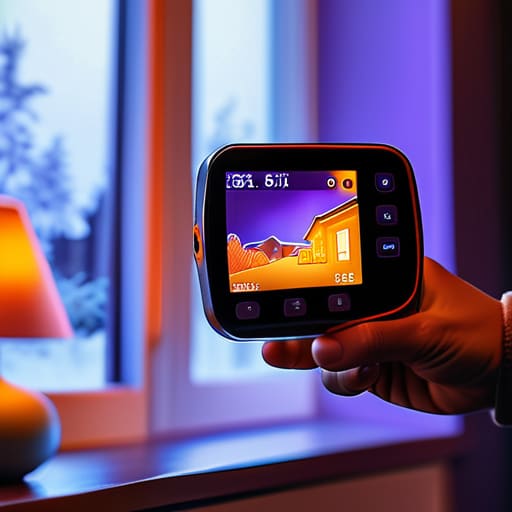
At the end of the day, making your home more efficient isn’t about one massive, expensive renovation that breaks the bank. It’s about the cumulative effect of the things we’ve talked about—from the simple, daily habits that stop energy bleed to the long-term, high-impact decision to invest in better insulation. Whether you are sealing a drafty window or finally upgrading your thermostat, every small adjustment is a direct hit against unnecessary waste. I’ve seen it firsthand with my infrared thermometer: you can literally see the heat escaping, and it’s a wake-up call that every degree lost is money gone.
I know it can feel overwhelming to think about climate change or rising utility rates, but don’t let that paralysis stop you from starting. You don’t need a massive budget to make a meaningful dent in your footprint. Start where you are, use the data you have, and focus on the low-hanging fruit first. Living sustainably shouldn’t be a luxury reserved for the wealthy; it should be a practical standard for everyone. If we all stop letting energy leak out of our homes through sheer convenience, we can collectively build a future that is both economically smart and environmentally sound.
Frequently Asked Questions
I've looked into insulation, but how do I know if my specific issue is a lack of insulation or just bad airflow from drafty windows?
That’s a great question, and honestly, it’s the first thing I do when I walk into a room with my infrared thermometer. Here’s the trick: if you feel a sharp, localized chill near a window frame or door, that’s a draft (airflow). But if the entire wall feels cold to the touch even when the heater is on, that’s an insulation issue. One’s a leak; the other is a lack of thermal mass.
Are there any specific smart home gadgets that actually save money, or is most of that tech just a gimmick?
Honestly, a lot of it is hype, but some tech actually pays for itself. Skip the flashy smart fridges. Instead, focus on smart thermostats and smart plugs. A good thermostat learns your schedule so you aren’t heating an empty house, which is a massive win for your wallet. I also use smart plugs for my vintage gear to kill “vampire power” automatically. If it doesn’t directly stop energy from leaking or being wasted, it’s probably just a gimmick.
If I'm renting, what are some low-cost, non-permanent energy tweaks I can make without losing my security deposit?
Look, I get it. When you’re renting, you can’t exactly tear down walls or swap out windows. But you also shouldn’t have to freeze just because you don’t own the place. Grab some heavy thermal curtains to block drafts, use adhesive weatherstripping on leaky door frames, and throw down a thick rug over cold floors. These are cheap, totally reversible, and won’t touch your security deposit, but they make a massive difference in keeping the heat in.
