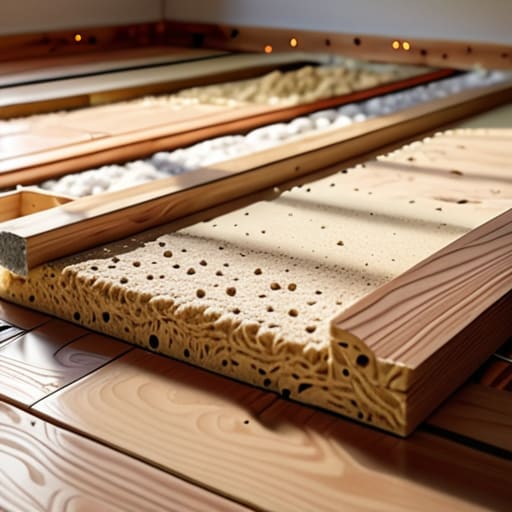
I still remember sitting in my old rental apartment three years ago, shivering under three layers of blankets while the radiator hissed uselessly. I pulled out my infrared thermometer—the one tool I never go anywhere without now—and pointed it at the floorboards. The reading was a brutal 12°C. It wasn’t just a draft; it was like my heat was being sucked directly into the ground through the floor. Most people will tell you that insulating floors requires a massive renovation budget or ripping up your entire living space, but that’s just expensive nonsense designed to sell more contractors.
I’m not here to pitch you a high-end construction overhaul that costs more than your car. My goal is to show you how to tackle this problem with a practical, data-driven approach that actually fits a real-world budget. I’ve spent my career auditing homes and finding the specific, low-cost gaps where money is literally leaking out of your house. In this guide, I’m going to walk you through the most effective ways to seal those thermal leaks so you can finally stop overpaying for warmth and start living in a home that actually stays warm.
Table of Contents
Reducing Heat Loss Through Floors Without Breaking the Bank
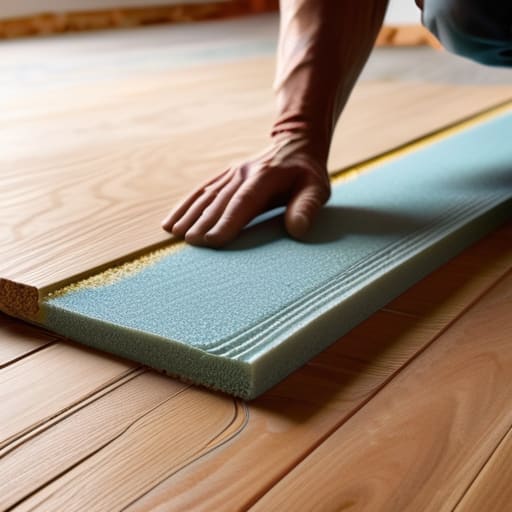
You don’t need a massive renovation budget to start reducing heat loss through floors. If you’re living in a rental or a fixer-upper, the most effective move is often looking at what’s underneath your feet. For instance, if you have laminate or hardwood, adding a high-quality underlayment can act as a thermal barrier. It’s a small tweak, but it makes a massive difference in improving home thermal performance by adding that much-needed layer of resistance between you and the cold subfloor.
I also find that people often overlook the simple physics of their choice in materials. The thermal conductivity of flooring materials matters more than most realize; tile and stone are notorious for sucking heat right out of a room, making it feel perpetually drafty. If you’re looking for energy efficient flooring solutions, opting for cork or even thick, heavy area rugs can help in preventing cold spots in rooms. It’s not just about aesthetics—it’s about creating a practical buffer that keeps the warmth where it belongs: in the air, not lost in the foundation.
Energy Efficient Flooring Solutions for Every Wallet
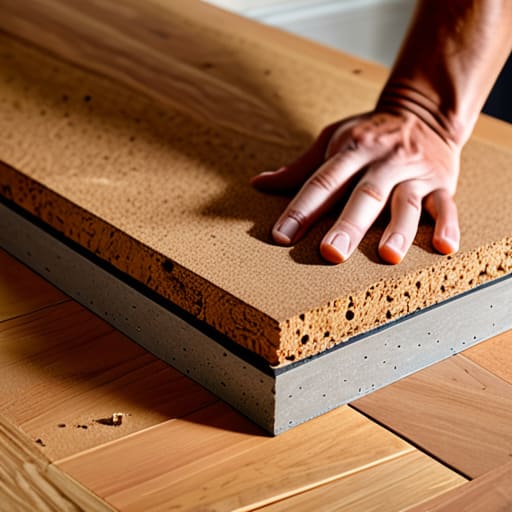
When you’re looking at different flooring options, you have to look past the aesthetics and start thinking about the thermal conductivity of flooring materials. If you’re on a tight budget, you don’t necessarily need to rip everything up and start from scratch. For instance, if you already have hardwood or laminate, you can significantly improve your setup by upgrading the underlayment. Adding a high-density foam or cork underlayment acts as a buffer, providing much-needed insulation for laminate and wood floors without the massive cost of a full renovation.
For those with a bit more to invest, moving toward materials like cork or even certain types of engineered wood can make a massive difference in how your home holds temperature. Cork is a personal favorite of mine because it’s naturally cellular, meaning it traps air and resists heat transfer beautifully. If you’re stuck with tile—which is notoriously ice-cold in the winter—adding large, heavy area rugs can be a lifesaver. It’s a simple way of preventing cold spots in rooms and creating a thermal barrier between your feet and the freezing subfloor.
Quick Wins: 5 Ways to Plug the Leaks Right Now
- Grab a roll of weatherstripping or even some heavy-duty sealant to check where your floorboards meet the skirting boards; if I can feel a draft, your money is literally escaping through those cracks.
- If you’re dealing with a cold basement or crawlspace, don’t overlook the underside; adding even a thin layer of rigid foam insulation up there can stop the “refrigerator effect” from creeping into your living space.
- Layering is your best friend—I always tell my clients that a thick, high-pile rug isn’t just for aesthetics; it acts as a thermal barrier that keeps the heat you’ve already paid for from sinking into the subfloor.
- For those in older rentals who can’t rip up floorboards, look into thermal underlayment; it’s a thin, lightweight layer you can lay down before your rugs or laminate that makes a massive difference in how the room feels.
- Check your floor vents; if you have heating coming from below, make sure they aren’t blocked by furniture or heavy rugs, which forces your HVAC system to work twice as hard to move air through the room.
The Bottom Line on Floor Insulation
You don’t need a massive renovation to see results; even small, low-cost fixes like draught excluders or layering rugs can make a noticeable difference in how much heat stays in the room.
Prioritize your spending by targeting the biggest heat leaks first—I always recommend using an infrared thermometer to find those cold spots before you start buying materials.
Think long-term; investing a little bit of money into better underlay or insulation now is much cheaper than overpaying for heating every single winter.
The Hidden Cost of Bare Floors
“I’ve spent way too many hours pointing an infrared thermometer at floorboards only to see exactly where the money is escaping. People think they have a heating problem, but usually, they just have a floor problem; if you aren’t addressing the thermal gap beneath your feet, you’re basically just paying to heat the ground under your house.”
Tobias Nkemdirim
Making the Move
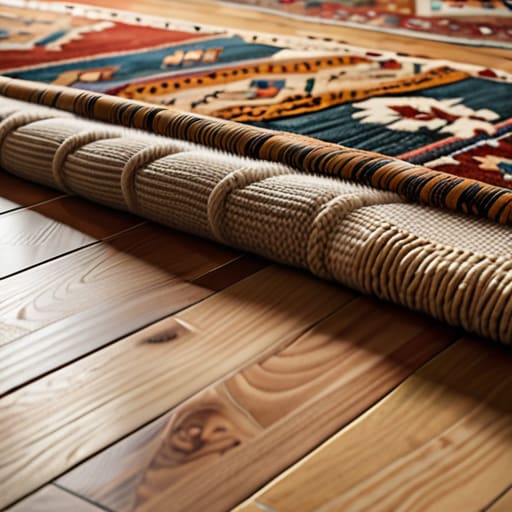
At the end of the day, insulating your floors isn’t about one massive, expensive renovation; it’s about stacking small wins. Whether you’re layering rugs over cold tiles, sealing up gaps in your floorboards, or investing in high-quality underlay for a new room, every bit of thermal resistance counts. I’ve seen firsthand with my infrared thermometer how a simple layer of insulation can turn a drafty, money-wasting room into a space that actually holds its temperature. Remember, the goal is to stop the heat from escaping before it even leaves the room, ensuring that the energy you pay for actually stays where it belongs—keeping you warm.
I know that starting an efficiency project can feel overwhelming, especially when you’re working with a tight budget. But please don’t let the complexity of home science stop you from taking that first step. You don’t need a professional crew or a massive bank account to make a difference; you just need to be intentional about how your home handles energy. By tackling your floors, you are making a smart, long-term investment in both your monthly budget and the planet. Let’s stop letting our hard-earned money leak through the floorboards and start building homes that are actually built to last.
Frequently Asked Questions
Is it actually worth the effort to insulate a floor if I'm renting and can't replace the actual flooring?
Absolutely. I spent years in a rental that felt like a walk-in freezer because I thought I couldn’t touch the structure. You don’t need to rip up floorboards to see a difference. Think of it as adding a layer of defense. Throwing down a thick, high-quality rug or even using thermal underlays can create a massive barrier against that creeping chill. It’s a small, reversible move that keeps your heat where it belongs—in the room, not under your feet.
How much of a difference will adding underlayment actually make on my monthly heating bill?
Honestly, it depends on your current setup, but you’ll definitely notice a difference. If you’re on bare concrete or thin laminate, a high-quality thermal underlayment acts like a barrier, stopping heat from being sucked straight into the subfloor. I’ve seen cases where it can shave a decent chunk off monthly heating costs by making the room feel warmer at a lower thermostat setting. It’s a small, smart investment that pays for itself.
If I'm dealing with a concrete slab floor, are there any DIY options that won't involve a massive construction project?
Concrete slabs are notorious for being heat sinks—they just suck the warmth right out of the room. Since you aren’t ripping up the foundation, your best bet is adding thermal mass on top. I usually recommend high-density foam underlayment beneath thick rugs or cork flooring. Cork is a lifesaver because it’s naturally insulating and easy to lay down yourself. It’s a simple way to create a thermal break without the construction headache.
