I still remember sitting in my old rental apartment, shivering under three blankets while staring at a utility bill that felt like a personal insult. I used to think going green was a luxury reserved for people with massive trust funds and sprawling estates, and the way the industry talks about solar energy costs only reinforces that myth. You’re constantly hit with these massive, intimidating numbers and complex jargon that make it feel like you need a PhD just to switch to renewables. Honestly, most of the “expert” advice out there is just marketing fluff designed to make the upfront price tag look scarier than it actually needs to be for a normal person.
I’m not here to sell you on a dream or push some overpriced, shiny hardware you don’t need. My goal is to strip away the hype and give you the actual, data-driven reality of what you’re looking at. I’m going to break down how to navigate solar energy costs without draining your savings, focusing on smart, incremental moves that actually pay for themselves. We’re going to look at the real numbers, the hidden incentives, and how to make solar work for your specific budget, not just for the big players.
Table of Contents
- Decoding Solar Panel System Pricing Without Breaking the Bank
- Finding Smart Residential Solar Financing Options for Your Budget
- 5 Ways to Keep Your Solar Investment From Spiraling
- The Bottom Line: Making Solar Actually Work for You
- The Real Cost of Waiting
- Making the Move to Solar
- Frequently Asked Questions
Decoding Solar Panel System Pricing Without Breaking the Bank
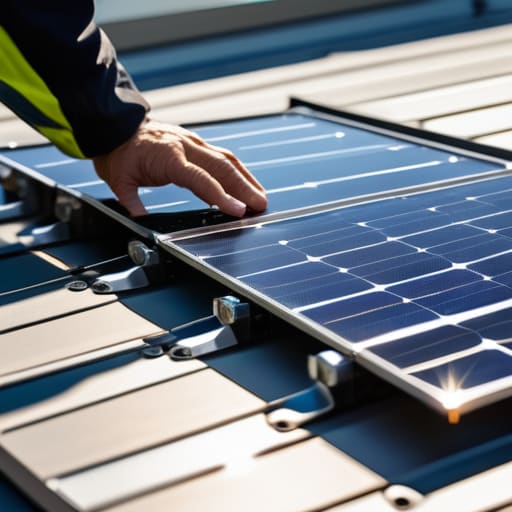
When I walk into a home for an audit, I usually see people getting overwhelmed by the sheer number of variables in solar panel system pricing. It’s not just about the glass and the silicon; you’re paying for the mounting hardware, the inverter, and the labor to get it all wired up correctly. I always tell my clients to look past the sticker shock and focus on the components. A cheaper, low-tier setup might seem like a win today, but if the efficiency drops after three years, you’ve essentially bought yourself a very expensive paperweight.
To make the math actually work for your budget, you have to account for the incentives. The federal solar tax credit is a massive lever here—it can significantly offset your initial investment, making the transition much more manageable for a regular household. I also suggest looking closely at your local utility’s policies regarding net metering benefits. If your grid allows you to sell excess power back to the company, your system isn’t just a cost; it becomes a tool that actively works to lower your monthly overhead.
Finding Smart Residential Solar Financing Options for Your Budget
When I was auditing homes last week, I noticed a recurring pattern: people were terrified of the upfront sticker shock. But here’s the thing—you don’t usually need a massive pile of cash sitting in a savings account to get started. Most residential solar financing options today are designed to bridge that gap. Whether it’s a low-interest loan or a lease agreement, the goal is to make sure your monthly payment is actually lower than what you’re currently handing over to your utility company.
I always tell my clients to look closely at the federal solar tax credit before signing anything. This isn’t just some vague government incentive; it’s a massive chunk of your installation cost that you get back, which can drastically shift your math. If you’re trying to run a quick solar ROI calculation, don’t just look at the cost of the hardware. Factor in those tax incentives and the long-term savings from your utility bill reduction. If the numbers don’t show a clear path to paying for itself, it’s not a smart investment—it’s just an expensive hobby.
5 Ways to Keep Your Solar Investment From Spiraling
- Don’t fall for the “one size fits all” trap. I always tell my clients to get at least three quotes from local installers rather than just picking the first big name you see online. You need to compare actual hardware specs, not just the monthly payment.
- Audit your current usage before you buy. There’s no point in paying for a massive 10kW system if you’re only consuming 5kW. Use your last twelve months of utility bills to size your system accurately so you aren’t paying for extra panels that just sit there doing nothing.
- Stack your incentives like a pro. It’s not just about the federal tax credit; look into your specific state’s SRECs (Solar Renewable Energy Certificates) and local utility rebates. These can shave thousands off your upfront cost if you actually do the paperwork.
- Prioritize energy efficiency first. It sounds counterintuitive, but if you fix your insulation or swap to LED bulbs before installing solar, you might realize you need a much smaller, cheaper solar array to cover your entire home. Fix the leaks before you buy the power.
- Watch out for “hidden” soft costs. Ask your installer specifically about permitting fees, interconnection costs, and labor. Some companies give you a low sticker price for the panels but then hit you with a massive bill for the actual installation and grid connection later.
The Bottom Line: Making Solar Actually Work for You
Don’t get blinded by the sticker price; focus on the long-term ROI by calculating how much your monthly utility bills will actually drop once the system is live.
Treat solar like any other home efficiency upgrade—look for the combination of tax incentives, local rebates, and smart financing to lower your upfront barrier to entry.
Avoid the “set it and forget it” trap by choosing quality components that won’t require expensive, energy-wasting repairs five years down the line.
The Real Cost of Waiting
“Most people treat solar like a luxury item for the wealthy, but looking at the data, the real cost isn’t the installation—it’s the money you bleed out every single month through inefficient power and rising utility rates because you were too afraid to make the switch.”
Tobias Nkemdirim
Making the Move to Solar

At the end of the day, figuring out solar costs isn’t about finding the cheapest possible setup, but about finding the one that actually makes sense for your specific lifestyle and wallet. We’ve looked at how to decode those confusing quotes, how to navigate the upfront hardware expenses, and how to leverage smart financing so you aren’t draining your savings all at once. Remember, every dollar you spend on a high-quality, efficient system is a dollar you won’t be handing over to your utility company for the next twenty years. It’s about shifting your spending from an endless monthly expense to a one-time strategic investment in your own home.
I know that staring at these numbers can feel overwhelming, especially when you’re just trying to make ends meet. But I’ve seen firsthand how much of a difference it makes when you stop letting energy leak out of your budget. You don’t need a massive inheritance to participate in the green transition; you just need a solid plan and a bit of patience. Transitioning to solar is one of the most practical ways to take control of your living costs while doing something right by the planet. Stop letting your money vanish into the grid and start building a home that works for you.
Frequently Asked Questions
How long will it actually take for my energy savings to pay off the initial cost of the installation?
It depends on your local rates and how much sun your roof actually catches, but most of my clients see a “break-even” point within 6 to 10 years. I always tell people to look at it as a long-term hedge against rising utility costs. If you stack smart financing with local tax incentives, you can shave years off that timeline. It’s not an overnight fix, but the math eventually stops being about cost and starts being about pure profit.
Are there hidden maintenance costs or fees I should be budgeting for after the panels are up?
Honestly, most people forget that “set it and forget it” is a myth. You aren’t just paying for the hardware; you need to budget for cleaning—especially if you live somewhere dusty or pollen-heavy—and occasional inverter replacements down the line. I always tell my clients to set aside a small “maintenance fund” for things like wiring inspections or minor repairs. It’s better to account for those small bumps now than to be blindsided by a repair bill later.
If I'm renting or live in a small space, is it even worth looking into solar, or is it only for homeowners with big budgets?
Look, I get it. I spent years in a drafty rental where I couldn’t even touch the thermostat, let alone install panels. If you don’t own the roof, traditional solar feels out of reach, but it’s not. You can look into community solar programs—basically joining a local solar farm—or even portable, plug-in kits for balconies. It’s about finding ways to tap into clean energy that fit your lifestyle, not just your square footage.
