I still remember sitting in my old rental apartment, shivering through February while staring at a utility bill that felt like a personal insult. I wanted to do something about it, but every time I searched for sustainable solutions, I was met with the same gatekeeping: “You need a roof, a massive budget, and a detached house to go green.” It’s a complete myth that renewable energy is only for homeowners with huge backyards. The truth is, the conversation around solar panels for apartments is often buried under expensive, complicated jargon that makes renters feel like they’re just out of luck.
I’m not here to sell you a lifestyle you can’t afford or a system that requires a contractor and a prayer. My goal is to show you the actual, practical ways to harness solar energy when you don’t own the building. We’re going to look at portable setups, community solar programs, and balcony-ready tech that actually works for small-scale living. I promise to keep this data-driven and realistic, focusing on how you can lower your monthly costs without needing to tear up your lease or break the bank.
Table of Contents
Renter Friendly Solar Kits That Actually Work
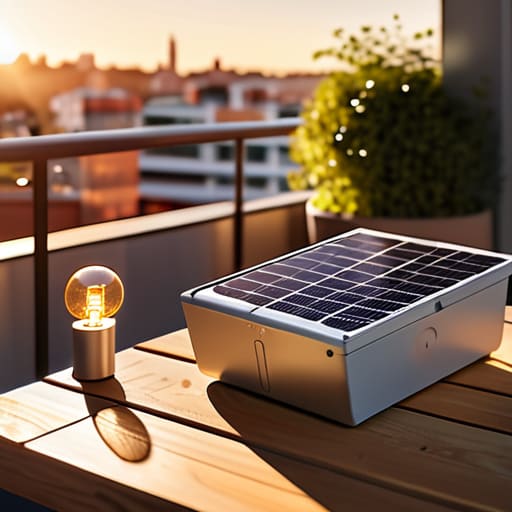
If you’re living in a leased space, you probably can’t go drilling holes into the roof to mount a permanent array. This is where plug and play solar systems become a game changer. These kits are designed for simplicity; they essentially allow you to capture sunlight and feed that energy directly into your existing electrical setup or a battery unit without needing a licensed electrician to rewire your entire unit. I’ve seen a lot of people assume they’re stuck with the grid, but these modular setups change that.
For those of us with limited square footage, a balcony solar panel installation is often the most realistic path forward. You can secure lightweight, high-efficiency panels to your balcony railing using non-permanent clamps. When paired with portable solar power stations, you aren’t just generating power; you’re creating a mobile energy reservoir. You can charge your laptop, run a small fan, or keep your phone alive during a blackout, all while significantly lowering your reliance on the local utility provider. It’s about making the most of the small footprint you have.
Maximizing Small Space Renewable Energy Without the Stress
The biggest hurdle with small-scale setups isn’t the tech itself; it’s the logistics of where to put it. If you don’t have a sprawling backyard, you have to get creative with your vertical and perimeter space. For most of my clients, a balcony solar panel installation is the most realistic starting point. You aren’t trying to power a whole building here; you’re looking to offset the heavy hitters like your laptop, phone, or even a small LED lamp setup. The trick is to position your panels where they get the most consistent light, even if that means moving them slightly throughout the day.
If your balcony isn’t an option, don’t write off the idea entirely. I often suggest looking into portable solar power stations paired with foldable panels. These are great because they aren’t permanent fixtures—you can set them up near a sunny window during the day and tuck them away when you’re not using them. It’s all about incremental gains. You don’t need to achieve total energy independence overnight to make a dent in your monthly costs and your carbon footprint.
5 Small Wins to Boost Your Apartment’s Solar Potential
- Prioritize window placement. I always tell my clients to look at their light—if you can’t get a portable panel near a south-facing window, you’re basically fighting an uphill battle against physics.
- Invest in a high-capacity power station. Since you can’t rewire the building, you need a way to actually store the juice you catch; a good portable battery acts as your personal, green grid.
- Don’t ignore the “phantom load.” Even with solar, you’re wasting energy if you have old tech plugged in 24/7; use smart strips to make sure your solar juice isn’t leaking out through standby power.
- Think vertical if you’re short on floor space. I’ve seen some clever setups using balcony railings or even tension rods to hold lightweight panels without drilling holes in the walls.
- Track your sun hours with an app. It sounds nerdy, but knowing exactly when your balcony gets direct light helps you time when to charge your devices so you aren’t relying on the expensive grid during peak hours.
The Bottom Line on Apartment Solar
Focus on portable, plug-and-play kits that don’t require drilling holes or permanent installations to keep your security deposit safe.
Prioritize high-efficiency panels that maximize every inch of your balcony or windowsill, since space is your biggest constraint.
Treat solar as part of a larger strategy; it works best when you’re also tackling the small energy leaks in your space to stop wasting what you generate.
## Energy Autonomy Isn't Just for Homeowners
“I used to think solar was a luxury reserved for people with sprawling suburban roofs and huge bank accounts, but that’s a misconception that keeps too many of us stuck paying inflated utility bills. Even in a cramped apartment, you can reclaim a bit of that energy independence; it’s not about going completely off-grid, it’s about making sure every watt you pay for is actually working for you.”
Tobias Nkemdirim
Making the Switch
At the end of the day, transitioning to solar in an apartment isn’t about having a sprawling rooftop or a massive budget; it’s about making the most of the tools available to you. We’ve looked at how portable kits can bridge the gap, how to optimize every inch of your balcony, and why you don’t need to wait for homeownership to start taking control of your power usage. Whether you’re plugging in a small power station to charge your laptop or setting up a compact panel by the window, these incremental shifts add up. It’s about moving away from the “set it and forget it” mentality of utility bills and moving toward a system where you actually understand and manage your footprint.
I know it can feel overwhelming when you’re staring at a lease agreement that says “no permanent modifications,” but don’t let that stop you. Sustainability shouldn’t be a luxury reserved for people with detached houses and massive solar arrays. Every watt you generate yourself is a win for your wallet and a small victory for the planet. Start small, stay practical, and remember that consistency beats perfection every single time. You don’t need to overhaul your entire life overnight to stop wasting energy and start living more intentionally.
Frequently Asked Questions
Can I actually plug these portable solar kits into my apartment's wall outlets to charge my devices?
Short answer: No, and you definitely shouldn’t try. These kits are designed to charge via USB or DC ports directly into your devices or a portable power station. Trying to “backfeed” your apartment’s electrical system through a wall outlet is dangerous, illegal in most places, and could fry your circuits. Think of these kits as independent power banks for your tech, not a way to bypass your utility meter. Keep it simple and safe.
What happens to my solar setup if my landlord decides to change the rules or if I have to move suddenly?
This is the part that makes most renters hesitate, but here’s the reality: since you’re using portable, plug-and-play kits, your setup is essentially “plug, play, and pack.” If your landlord pushes back or you get a sudden notice to move, you aren’t stuck with permanent hardware. You just unplug the panels, grab your gear, and take it to your next spot. It’s an investment in your lifestyle, not a permanent fixture of the building.
How much of a dent can these small-scale kits really make in my monthly electricity bill?
Look, I’ll give it to you straight: don’t expect these kits to power your AC or your oven. If you’re looking to wipe out your entire bill, you’ll be disappointed. But? If you use them to offset your “vampire loads”—like charging laptops, running LED lighting, or powering your router—you can realistically shave 10% to 15% off your monthly costs. It’s about incremental wins, not a total overhaul.
