I still remember sitting in my old rental apartment, shivering under three blankets because I was too terrified to turn on the heater. Every time the meter spun, it felt like I was literally burning my grocery money just to stay warm. Most “experts” will tell you that the only way to reduce electricity bills is to drop thousands on smart home ecosystems or high-end solar arrays, but that’s a lie designed to sell hardware. You don’t need a massive bank account to stop bleeding money; you just need to stop wasting energy on the invisible leaks that most people ignore.
I’m not here to sell you a lifestyle overhaul or a collection of expensive gadgets. My goal is to give you the same practical, data-driven tactics I use when I’m out in the field auditing homes. I’ll show you how to identify the small, smart shifts—the kind that actually move the needle—so you can keep your bills low without sacrificing your sanity. We’re going to focus on high-impact, low-cost changes that respect your budget and your time.
Table of Contents
- Mastering Reducing Home Energy Consumption Through Small Shifts
- The Truth About Energy Efficient Appliances and Your Wallet
- Five Low-Cost Tactics to Stop the Bleeding in Your Monthly Bills
- The Bottom Line: Efficiency Over Excess
- The Real Cost of Convenience
- The Bottom Line on Cutting Costs
- Frequently Asked Questions
Mastering Reducing Home Energy Consumption Through Small Shifts

Most people think you need to swap out every single device in your house to see a difference, but that’s just not true. I’ve spent enough time with my infrared thermometer to know that the biggest wins often come from the things you don’t see. For instance, a huge chunk of your money is likely leaking through poorly sealed windows or thin door frames. Instead of waiting for a massive renovation, start with the basics of reducing home energy consumption by tackling those drafts first. It’s about closing the gaps that allow your expensive heated or cooled air to escape.
Another shift that actually moves the needle is timing your heavy usage. If your utility provider uses peak demand electricity rates, you’re essentially paying a premium just for the convenience of running the dishwasher at 6:00 PM. I make it a habit to shift my laundry and heavy appliance cycles to off-peak hours. It’s a zero-cost adjustment that makes a measurable dent in your overhead. You don’t need a massive overhaul; you just need to stop being unintentionally wasteful with the power you’re already paying for.
The Truth About Energy Efficient Appliances and Your Wallet
Here’s the reality: you’ll see ads everywhere telling you that buying a brand-new, high-tech fridge is the magic bullet for your finances. While energy efficient appliances do eventually pay for themselves, the math isn’t always as simple as the manufacturers claim. If you’re replacing a working machine just to chase a slightly better energy rating, you might actually be losing money in the short term. I always tell my clients to look at the lifecycle cost rather than just the sticker price. If your current appliance is relatively modern, your money is often better spent on sealing air leaks or upgrading your insulation first.
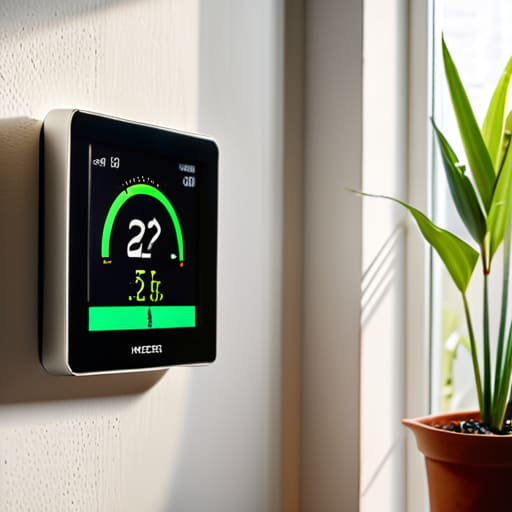
That said, when it is time for a replacement, don’t just look at the wattage. I’ve seen people spend a fortune on “smart” gadgets that add more complexity than actual savings. If you want real results, focus on the big hitters—the HVAC system and the water heater. Integrating smart thermostat benefits can be a game-changer for managing temperature without constant manual adjustments, but it’s not a substitute for a well-insulated home. Focus on the heavy lifters, and you’ll see a much more significant impact on your bottom line.
Five Low-Cost Tactics to Stop the Bleeding in Your Monthly Bills
- Kill the “Phantom Load” by using smart power strips. I’ve audited enough homes to know that even when your TV or gaming console is “off,” it’s still sipping power. Plug your entertainment center into a power strip and flip the switch when you’re done; it’s the easiest way to stop paying for electricity you aren’t actually using.
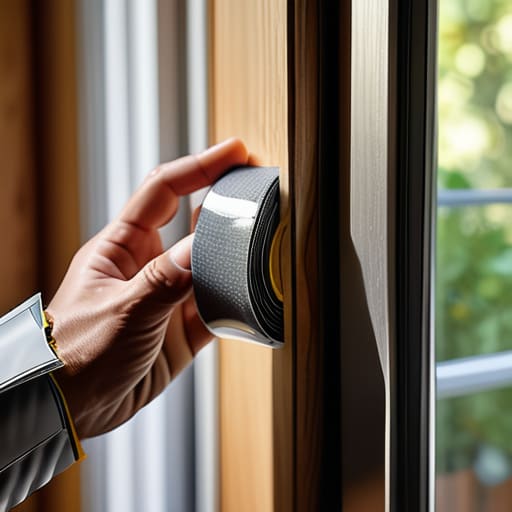
- Seal your air leaks with a $10 tube of caulk or weatherstripping. I always pull out my infrared thermometer during audits to show people exactly where the heat is escaping. If you can feel a draft around a window or a door, you’re essentially paying to heat the outdoors. Fix the leak, keep the warmth inside.
- Adjust your water heater temperature to 120°F (49°C). Most manufacturers set these much higher than necessary, which is just wasted energy. It’s a small tweak that doesn’t affect your shower experience but definitely affects your utility statement.
- Switch to LED bulbs, but do it strategically. Don’t just swap every bulb in the house at once if you’re on a budget. Start with the high-use areas—the kitchen, the living room, and the lamps you leave on for hours. The ROI on these is almost immediate.
- Master your thermostat settings for when you aren’t home. You don’t need to turn the heat or AC completely off—which can actually stress your system—but a 7-degree shift while you’re at work or sleeping makes a massive difference in your cumulative monthly consumption.
The Bottom Line: Efficiency Over Excess
Stop chasing expensive, high-tech upgrades immediately; focus on sealing the leaks and stopping the waste in your current setup first.
Energy efficiency isn’t a luxury for the wealthy—it’s a series of smart, data-backed habits that pay for themselves in lower monthly bills.
Always prioritize the “low-hanging fruit” like thermal management and appliance usage patterns before you even think about investing in new hardware.
The Real Cost of Convenience
“Most people think saving energy means a massive investment in solar panels or high-end tech, but the real wins are found in the leaks—the literal and metaphorical ones. If you stop paying to heat the outdoors and stop running appliances just because it’s easy, your bank account will feel the difference long before the planet does.”
Tobias Nkemdirim
The Bottom Line on Cutting Costs
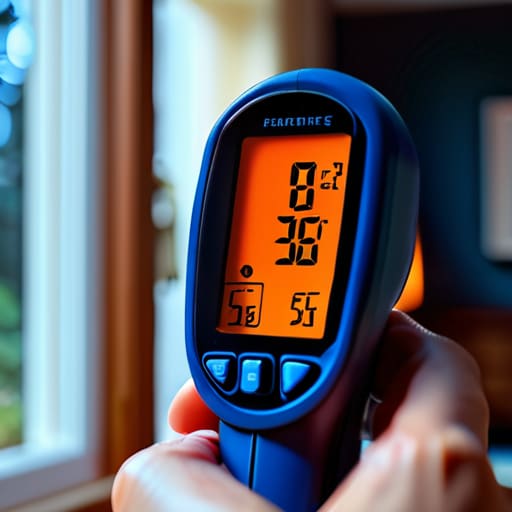
At the end of the day, slashing your electricity bill isn’t about some massive, expensive overhaul of your entire house. It’s about the cumulative effect of those small, intentional shifts we discussed—from auditing your thermal leaks to being more strategic about how you use your appliances. I’ve spent enough time with my infrared thermometer to know that energy waste is often invisible until you actually start looking for it. Whether it’s swapping out an old, power-hungry fridge or simply being more mindful of your heating habits, every little bit of efficiency adds up. You don’t need a massive budget to make a difference; you just need to stop paying for waste that you can actually control.
I know it can feel overwhelming to think about “going green” or “saving money” when everything else is getting more expensive, but sustainability shouldn’t be a luxury reserved for the wealthy. It’s a mindset of being smart with what you have. When you start making these changes, you aren’t just helping your bank account; you’re reclaiming control over your living space and your impact on the planet. Start small, stay consistent, and remember that every kilowatt saved is a win for both your wallet and the world. You’ve got this.
Frequently Asked Questions
How can I tell if my old appliances are actually costing me more in electricity than it would cost to replace them?
Stop guessing and start tracking. Grab a cheap plug-in energy monitor—I use one constantly. Plug your old fridge or washing machine into it for a week to see its actual kWh usage. Compare that cost to the monthly financing of a new, high-efficiency model. If your “old reliable” is eating an extra $20 a month in wasted power, it’s not saving you money; it’s just a slow leak in your bank account.
Are there specific times of day when shifting my heavy energy use could actually make a dent in my monthly bill?
Definitely. If you’re on a time-of-use tariff, the clock is your biggest lever. Most providers charge a premium during “peak” hours—usually late afternoon and early evening when everyone’s home and cooking. I always tell my clients: run your dishwasher or laundry during off-peak windows, like late at night or mid-morning. It’s a simple shift, but moving those heavy loads away from peak spikes can shave a noticeable chunk off your monthly total.
Beyond just turning off lights, what are the most effective ways to stop "phantom" energy drain from devices I'm not even using?
Look, if you want to stop the bleeding, you have to tackle “vampire loads.” Even when they’re “off,” things like game consoles, coffee makers, and old chargers are still pulling current. I always recommend using smart power strips; they can automatically cut power to peripherals when your main device is off. If you’re on a budget, just unplugging your chargers and desktop setups before bed works just as well. It’s small, but it adds up.
