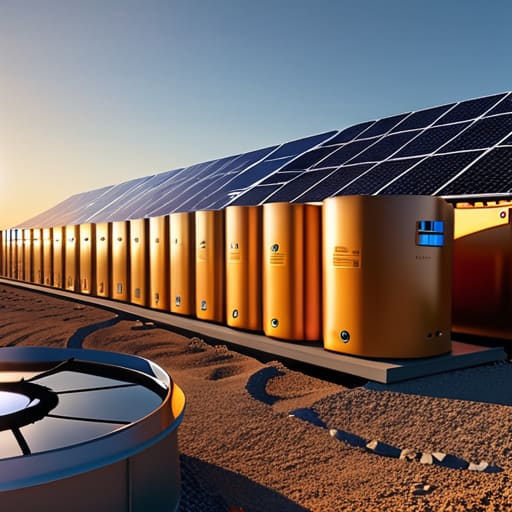
I remember sitting in my old rental apartment, shivering through a February freeze because my heating bill was more expensive than my groceries. It’s a frustrating cycle: you try to do the right thing for the planet, but the technology always seems locked behind a massive paywall. Most people will tell you that solar energy storage is a luxury reserved for tech billionaires or massive estates, and that you need a massive upfront investment just to see a single cent of return. They make it sound so complicated and out of reach that most of us just give up and keep paying the utility companies for the privilege of wasting power.
I’m not here to sell you on some futuristic fantasy or a system that costs more than your car. My goal is to strip away the marketing fluff and show you how to actually make smart, budget-friendly choices. I’m going to walk you through the real-world math of battery setups and how you can use solar energy storage to stop throwing money away every time the sun goes down. This isn’t about being perfect; it’s about practical efficiency that actually keeps your bills low.
Table of Contents
Choosing the Right Lithium Ion Battery Systems for Small Budgets
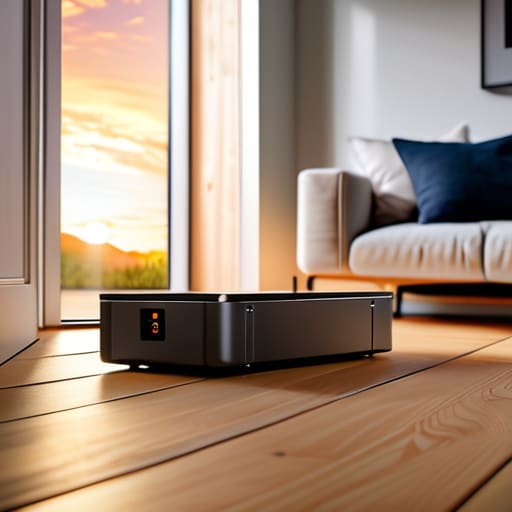
When you’re working with a tight budget, the biggest mistake is buying for the “what ifs” instead of your actual daily reality. I often see people overspending on massive setups they’ll never fully utilize. Instead, you need to consult a solar battery capacity guide tailored to your specific appliance list. Start by auditing your heavy hitters—the fridge, your router, and maybe a few LED lamps. If you’re just looking for basic photovoltaic energy backup to keep the lights on during a blackout, you don’t need a commercial-grade setup. Look for modular units that allow you to add more cells later as your savings grow.
For small homes, I usually recommend prioritizing reliability over raw power. It’s better to have a smaller, high-quality lithium-ion battery system that handles your essential loads efficiently than a cheap, oversized one that degrades after two years. You want a system that plays nice with your existing tech and doesn’t require a massive upfront investment to see a return. Focus on long cycle life—it’s the only way to ensure your initial investment actually keeps your bills low in the long run.
A Practical Solar Battery Capacity Guide for Real Homes
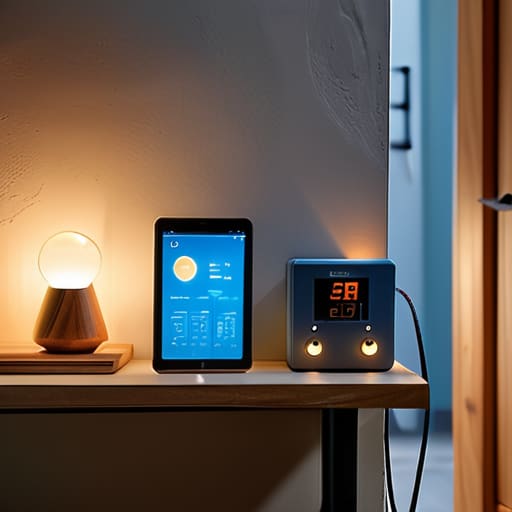
When I’m auditing a home, I don’t just look at the solar panels; I look at the load. Most people make the mistake of buying a massive battery thinking it’s a magic fix, but if your capacity doesn’t match your actual consumption, you’re just throwing money at a shiny box. A useful solar battery capacity guide starts with your “must-run” list: the fridge, the Wi-Fi, and a few lights. If you’re just trying to survive a blackout, a smaller, more affordable setup is fine. But if you want to run your laptop and a small heater, you need to calculate your total watt-hours per night.
If you’re aiming for more than just emergency lights, you have to consider renewable energy load balancing. This means matching your battery size to the hours between sunset and sunrise when your panels aren’t producing. For a typical small apartment or a compact house, I usually recommend looking at a system that can cover at least 60-70% of your evening base load. This keeps you from relying on the grid during peak pricing hours without overspending on hardware you’ll never actually use.
5 Ways to Stop Wasting Your Stored Power
- Don’t overbuy capacity just because it’s on sale; I’ve seen too many people drop thousands on massive battery banks that they only ever use 20% of. Map out your critical loads—the stuff you actually need when the grid goes down—and size your storage to fit that reality.
- Watch your depth of discharge. If you’re using older lead-acid tech, you can’t drain it to zero without killing the lifespan, so treat your battery like a finite resource rather than an endless well.
- Temperature is a silent killer for efficiency. If you tuck your battery setup in a freezing garage or a sweltering shed, you’re losing energy just trying to keep the chemistry stable; keep them in a climate-controlled space if you want them to actually last.
- Time your heavy lifting. The smartest way to use storage is to program your high-draw appliances—like the dishwasher or washing machine—to run during peak solar production or when your battery is at its fullest, rather than pulling from the grid during expensive peak hours.
- Check your connections regularly. It sounds basic, but loose or corroded terminals create resistance, and resistance means heat—and heat is just energy you paid for leaking away into the air instead of powering your lights.
The Bottom Line on Solar Storage
Don’t overbuy capacity just because it’s available; calculate your actual daily usage first so you aren’t paying for empty battery space you’ll never use.
Prioritize lithium-ion quality over the lowest sticker price, as a cheap battery that fails in two years is just another way of wasting money and resources.
View storage as a way to gain independence from peak utility rates, turning your home into a smart system that works for your wallet, not against it.
The Real Value of Storage
“Solar storage isn’t about buying a luxury gadget; it’s about taking control of your own power. When you can capture that midday sun and use it when the sun goes down, you’re finally stopping the cycle of paying for energy you didn’t even choose to use.”
Tobias Nkemdirim
Making the Move Toward Energy Independence
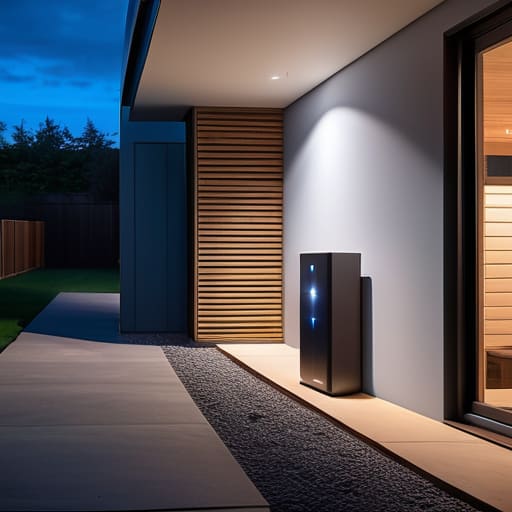
At the end of the day, getting your solar storage right isn’t about buying the most expensive setup on the market; it’s about finding that sweet spot between your actual energy needs and what you can reasonably afford. We’ve looked at how to pick lithium-ion systems that won’t drain your savings and how to calculate a capacity that actually keeps your lights on when the sun goes down. Remember, an oversized battery is just wasted capital, just like an undersized one leaves you in the dark. The goal is to build a resilient, efficient system that works with your lifestyle, not one that creates a new financial burden. It’s about smart, calculated decisions that pay off in lower monthly bills and less reliance on an aging grid.
I know that looking at technical specs and capacity charts can feel overwhelming, but don’t let the complexity stop you from starting. Transitioning to stored solar power is one of the most effective ways to take control of your own home environment. You don’t need a massive budget to make a dent in your carbon footprint or your utility costs; you just need a plan that prioritizes efficiency over excess. Every kilowatt-hour you store and use wisely is a step toward a more sustainable way of living. Let’s stop letting energy go to waste simply because the “right” way seemed too complicated or too pricey. Start small, start smart, and start now.
Frequently Asked Questions
How much more will it actually cost me to add a battery system compared to just staying on the grid?
Look, I’ll give it to you straight: the upfront cost is the sting. Adding a battery means a significant initial investment—often several thousand dollars—compared to the $0 it costs to stay plugged into the grid. But you have to look at the math over time. You’re essentially pre-paying for your electricity. If you use that battery to dodge peak-hour rates and maximize your solar, that initial hit starts paying itself back through lower monthly bills.
If I live in a smaller rental or a modest home, is there a way to scale up my storage later without replacing everything?
The short answer is yes, but you have to plan for it now. Don’t just buy a “closed” system. Look for modular setups—basically, batteries that act like LEGO bricks. If you start with one unit today, you want to make sure you can just plug in a second or third one down the line without rewiring your whole house. It’s a bit more upfront, but it stops you from wasting money on gear you’ll outgrow.
How do I figure out if my current solar setup can even handle charging a battery, or if I need to upgrade my panels too?
First, grab your inverter’s spec sheet. You need to check if it has a dedicated battery input or if it’s a “grid-tie only” model. If it’s the latter, you’re looking at a more complex retrofit. Next, look at your daily generation numbers. If your panels barely cover your current usage on a sunny day, you won’t have any surplus “leftover” juice to actually charge a battery. In that case, upgrading your panel array is non-negotiable.
