
I remember sitting in my old rental apartment, shivering under three blankets while staring at a utility bill that felt like a personal insult. Back then, whenever I brought up the idea of going green, people would just wave me off, claiming that solar panel technology was some luxury reserved for tech billionaires or massive estates. They made it sound like you needed a PhD and a massive inheritance just to stop bleeding money to the grid. It’s a total myth that sustainability has to be prohibitively expensive, and frankly, it’s a myth that keeps smart, budget-conscious people stuck in a cycle of wasting energy.
I’m not here to sell you on some futuristic dream or push overpriced, flashy gadgets that won’t actually pay for themselves. Instead, I want to break down how modern solar panel technology actually works for the rest of us—the renters, the small-home owners, and the people who just want to stop overpaying for power. I’ll be sharing the raw, data-driven truth about what’s worth your investment and what’s just marketing fluff, so you can make a move that actually sticks.
Table of Contents
Maximizing Every Ray Through Solar Energy Conversion Efficiency
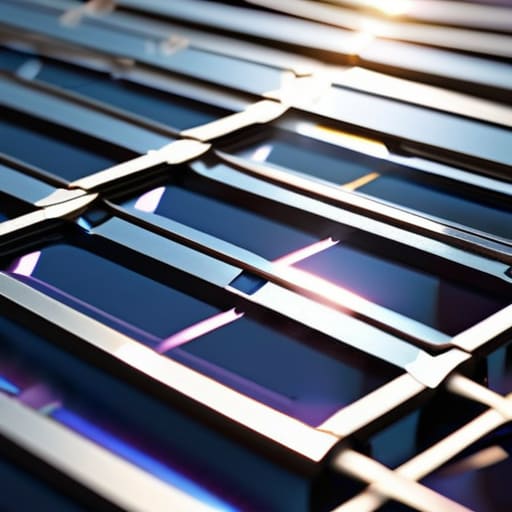
When I’m out on a site audit, I often see people getting caught up in the aesthetics of their setup while ignoring the actual science of what’s happening on their roof. If you want to get the most out of your investment, you need to look closely at solar energy conversion efficiency. It’s not just about how many panels you have, but how effectively those panels turn sunlight into usable electricity. We’re seeing massive leaps in photovoltaic cell advancements lately, moving away from old-school setups toward hardware that captures a much broader spectrum of light.
I’ve been tracking how much better next-gen materials are performing compared to the tech from even five years ago. A lot of the gains come down to improvements in silicon wafer manufacturing, which allows for thinner, more efficient cells that don’t lose as much power to heat. For someone on a budget, this is the sweet spot: higher efficiency means you need fewer panels to hit your energy goals, which ultimately lowers your upfront hardware costs. It’s about making sure every single photon counts toward shrinking that monthly utility bill.
The Truth About Next Generation Solar Cells and Your Wallet

Look, I get the skepticism. When I see headlines about “miracle” breakthroughs in next-generation solar cells, my first instinct is to check the price tag. Most people think high-tech means high-cost, but the reality is shifting. We’re moving past standard silicon toward things like perovskite layers, which promise much higher energy yields from the same amount of sunlight. For you, this doesn’t just mean better tech; it means getting more kilowatt-hours out of every square inch of your roof, which is the fastest way to see a return on your investment.
The real win for your wallet, though, lies in solar panel durability and lifespan. It’s easy to get distracted by the cheapest upfront cost, but I always tell my clients to look at the long game. If a cheaper panel loses its efficiency after five years while a premium one keeps humming for twenty, the “budget” option actually becomes a massive drain on your finances. Investing in better hardware means you aren’t just buying power; you’re buying decades of predictable, low-cost energy.
5 Ways to Get More Bang for Your Buck with Solar
- Don’t just buy the cheapest panels you find online. Look at the efficiency rating; a panel that converts more sunlight into actual usable power means you need fewer of them to cover your load, which saves you space and installation costs in the long run.
- Watch your shading like a hawk. Even a small branch or a chimney casting a shadow over one corner of a panel can tank the output of your entire string. I always check the sun’s path throughout the seasons before recommending a layout.
- Invest in a decent microinverter setup rather than a single central inverter. If one panel gets covered in leaves or shaded by a cloud, the rest of your system keeps pumping out power instead of dragging the whole system down to the lowest common denominator.
- Keep your hardware clean. It sounds basic, but a layer of dust, pollen, or bird droppings acts like a tiny, dirty blanket over your cells. A quick rinse with water every few months can actually make a measurable difference in your monthly yield.
- Pair your solar with smart monitoring tools. You can’t fix what you aren’t measuring. Use an app that shows you real-time production so you can spot a drop in efficiency immediately—before it turns into a massive spike in your utility bill.
The Bottom Line on Going Solar
Efficiency matters more than raw size; choosing cells that convert more light into actual usable power is how you stop wasting space and money.
Don’t get blinded by the “next big thing”—focus on the tech that offers the best long-term ROI for your specific energy needs rather than chasing every shiny new prototype.
Solar isn’t just a luxury for the wealthy if you prioritize smart, data-driven upgrades that actually lower your monthly overhead.
## The Real Goal of Solar
“At the end of the day, I don’t care how fancy the silicon is or how many decimal points we add to the efficiency rating; I care about whether that panel actually keeps your lights on and your bills down without draining your savings account.”
Tobias Nkemdirim
Making the Switch Count
At the end of the day, moving toward solar isn’t just about chasing the latest gadget or a shiny new tech trend. We’ve looked at how much efficiency actually matters and how the next generation of solar cells can finally make high-performance energy accessible to more than just the wealthy. Whether you’re looking at high-conversion monocrystalline panels or waiting for the price of thin-film tech to drop, the goal remains the same: stop bleeding money through your roof. It’s about choosing hardware that aligns with your specific energy needs and your budget, ensuring that every photon captured actually translates into lower monthly utility bills.
I know that looking at solar specs can feel overwhelming, especially when you’re just trying to make ends meet. But I promise you, sustainability shouldn’t be a luxury reserved for the elite. Every small step you take toward energy independence is a win for your bank account and a win for the planet. You don’t need to overhaul your entire life overnight; you just need to start making smarter, data-driven choices. Let’s stop letting energy waste be the “convenient” default and start building homes that are actually built to last. The future is efficient, and it’s more affordable than you think.
Frequently Asked Questions
Is it actually worth the upfront cost if I live in a place that's mostly cloudy?
I get this question all the time, and honestly, it’s a valid concern. I’ve audited plenty of homes in gray, overcast areas where people thought solar was a lost cause. Here’s the reality: solar panels don’t need direct, blazing sunlight to work; they just need light. Even on cloudy days, photovoltaic cells still capture energy from diffused light. It might take a bit longer to hit your break-even point, but it’s still a solid investment for long-term savings.
How much maintenance do these panels really need, or am I going to be constantly fixing them?
Honestly, you won’t be constantly fixing them, but you can’t just “set it and forget it” either. Most modern systems are pretty low-maintenance, but dust, bird droppings, or even heavy pollen can create shade that kills your efficiency. I usually recommend a quick visual check every few months. If you live in a dusty area, a gentle rinse with water once or twice a year is plenty. Keep them clean, and they’ll do the work.
Can I actually run my whole house on solar, or am I still going to be tied to the grid for everything?
The short answer? Yes, you can, but it’s not as simple as just slapping panels on the roof. To truly cut the cord, you need a robust battery backup system to bridge the gap when the sun goes down. Without storage, you’re still at the mercy of the grid’s schedule. If you want total independence, you have to pair your solar setup with smart energy management and a bit of discipline.
