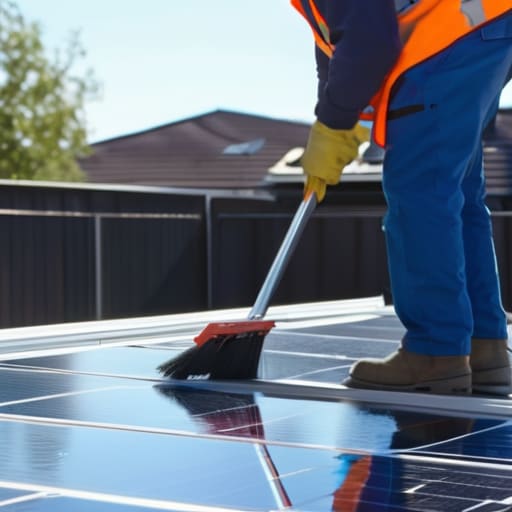
I was standing on a ladder last Tuesday, my handheld infrared thermometer tucked into my pocket, watching a client attempt to scrub his array with a high-pressure washer and a prayer. It’s one of those moments where my stomach just sinks. People think they’re being “proactive” about their energy savings, but they’re actually gambling with their lives just to shave a few cents off their monthly bill. There is a massive, dangerous gap between “keeping things clean” and actually understanding solar panel cleaning safety, and honestly, the DIY community is doing a terrible job of explaining that distinction.
I’m not here to sell you a fancy, overpriced cleaning kit or tell you to hire a specialized firm every time a bird leaves a mess. My goal is to give you the straightforward, data-driven reality of what you can actually handle yourself without ending up in the ER. I’ll walk you through the specific risks—from electrical hazards to structural stability—so you can keep your system running at peak efficiency without risking your life or your home’s integrity. Let’s get into the practical stuff.
Table of Contents
- Preventing Falls From Roofs Without Breaking the Bank
- Smart Solar Panel Cleaning Equipment Safety for Homeowners
- 5 Ways to Keep Your Skin (and Your Roof) Intact While You Clean
- The Bottom Line: Clean Panels, Zero Accidents
- The Real Cost of a Shortcut
- Bottom Line: Safety First, Savings Second
- Frequently Asked Questions
Preventing Falls From Roofs Without Breaking the Bank
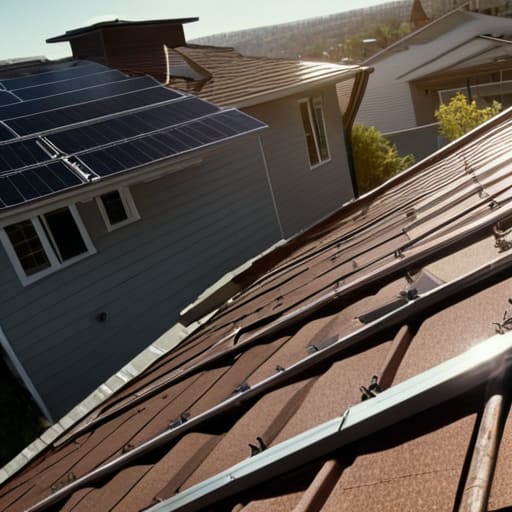
Look, I get it. When you’re trying to squeeze every bit of efficiency out of your system, the last thing you want to do is drop a hundred bucks on professional-grade scaffolding. But after growing up in drafty rentals, I’ve learned that cutting corners to save money usually ends up costing you way more in the long run—especially if you’re dealing with gravity. If you aren’t comfortable on a ladder, don’t pretend you are. Preventing falls from roofs starts with being honest about your own limits. If your roof pitch is steep or your ladder feels sketchy, it’s cheaper to hire a pro than to pay a deductible.
If you do decide to DIY, please don’t just wing it. Invest in a decent harness or at least some high-traction footwear; your grip is your only lifeline up there. I always tell my clients that proper working at heights protocols aren’t just for industrial sites—they’re for anyone standing on a slope. You don’t need a massive budget, but you do need a solid plan and the right gear to make sure you actually make it back down to the ground in one piece.
Smart Solar Panel Cleaning Equipment Safety for Homeowners
If you aren’t climbing up there yourself, you’re already winning. The smartest way to approach solar panel cleaning equipment safety is to invest in tools that keep your feet firmly on the ground. I’m a big fan of telescopic water-fed poles. They allow you to reach the center of your array from the safety of a ladder or even the driveway. It’s much better to spend a little extra on a high-quality, lightweight pole than to deal with the consequences of a slip.
When you are choosing your gear, keep in mind that you aren’t just dealing with dirt; you’re dealing with a live system. Even though the panels are sealed, you need to be mindful of handling photovoltaic electrical components correctly. Never use metal brushes or abrasive tools that could scratch the glass or compromise the protective coating. I always check my gear for any signs of wear before I start. Using soft, non-conductive materials is a simple way to ensure you aren’t accidentally creating a path for a surge or a short while you’re trying to boost your efficiency.
5 Ways to Keep Your Skin (and Your Roof) Intact While You Clean
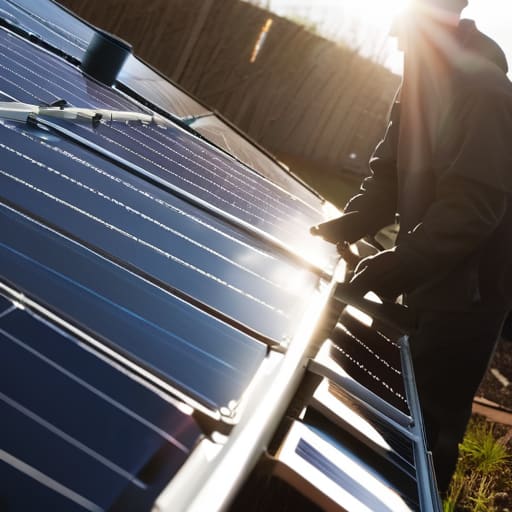
- Watch out for the “silent” danger of electrical shock; even if your panels look fine, never use a metal-bodied brush or any conductive tools near the mounting hardware, especially if the surface is wet.
- Check the weather forecast like a hawk—if there’s even a slight chance of rain or high winds, scrap the plan for today because a slippery roof combined with a sudden gust is a recipe for a disaster I don’t want to see.
- Don’t go it alone; if you’re planning on getting more than a few feet up, grab a friend to act as a spotter or at least someone to keep an eye on you from the ground—it’s much better to have an extra set of eyes than to be stuck in a bad spot by yourself.
- Test your ladder before you commit to a climb; I always check for cracks or loose rungs first, because a ladder that feels “mostly fine” is usually the one that fails right when you’re mid-ascent.
- Keep an eye on your physical limits and don’t push through the heat; cleaning panels is surprisingly draining work, and if you start feeling dizzy or overheated, get down immediately—no amount of efficiency gains is worth a heatstroke.
The Bottom Line: Clean Panels, Zero Accidents
Prioritize your physical safety over a slightly higher energy yield; no amount of extra sunlight is worth a fall from a roof.
Invest in the right tools—like telescopic poles or long-reach brushes—so you can clean from the ground and keep your feet on solid footing.
Treat solar maintenance like any other home project: do your research, check the weather, and never cut corners on safety gear just to save a few minutes.
The Real Cost of a Shortcut
“I’ve seen people try to save twenty bucks by skipping a proper ladder or a safety harness, but no amount of energy savings is worth a trip to the ER. In this game, the smartest way to manage your solar investment is making sure you’re actually around to see the ROI.”
Tobias Nkemdirim
Bottom Line: Safety First, Savings Second
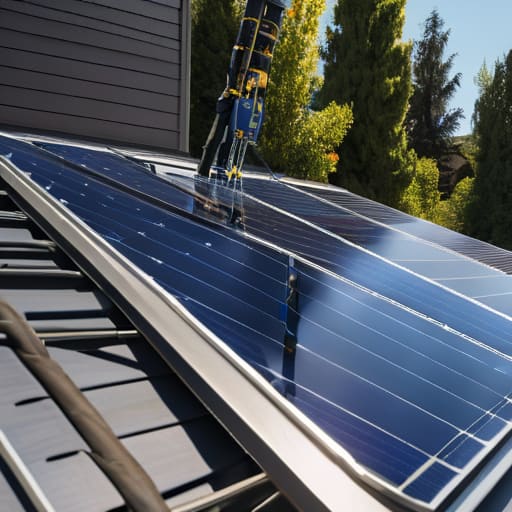
At the end of the day, keeping your solar panels clean is one of the smartest moves you can make to keep your energy bills from spiking, but it shouldn’t come at the cost of your physical well-being. We’ve covered how to avoid those dangerous rooftop climbs by using the right extension poles, why you need to double-check your gear, and how to avoid the temptation of “quick and dirty” methods that end in a trip to the ER. Remember, the goal is a high-performing system, not a high-risk afternoon. Always prioritize your stability over a slightly faster cleaning time, and make sure you have the right tools for the job before you even step near a ladder.
I know the drive to be more sustainable can feel overwhelming, especially when you’re trying to balance a tight budget with the desire to do right by the planet. But true sustainability isn’t just about carbon footprints; it’s about creating a lifestyle that is manageable and safe for the long haul. You don’t need a professional crew to make a difference, but you do need to be smart about how you maintain your setup. Take it slow, use the data from your monitoring apps to see if cleaning is actually necessary, and protect your most valuable asset: yourself. Keep those panels shining, but keep your feet firmly on the ground.
Frequently Asked Questions
Is it actually worth the risk of climbing up there myself, or should I just hire a pro and call it a day?
Look, I get the urge to DIY to save a few bucks—I’ve been there. But honestly? If your roof is steep, high, or if you’re uncomfortable with heights, just hire a pro. The cost of a professional cleaning is a lot less than an ER visit or a broken ladder. If you’re just doing a quick, low-stakes rinse on a single-story flat roof with the right gear, go for it. Otherwise, let the experts handle the climb.
How do I know if my roof is too steep or slippery to handle cleaning without a professional harness?
Look, if you have to ask, you’re probably already playing with fire. Grab your infrared thermometer—or better yet, just look up. If your roof pitch is over 4:12 (about 18 degrees) or if you see even a hint of moss, lichen, or loose slate, stop right there. If you can’t walk comfortably on a flat surface without feeling like you’re on ice, it’s too slippery. Don’t gamble your safety; call a pro.
Can I just use my garden hose and a soft brush, or am I going to accidentally damage the panels or cause an electrical issue?
You can use a garden hose, but don’t just blast them with high pressure—you’ll end up with micro-cracks in the cells that are a nightmare to fix. A soft brush is fine, but avoid anything abrasive that could scratch the anti-reflective coating. Most importantly, never clean them while they’re hot from the sun; the thermal shock from cold water can actually crack the glass. Stick to early morning or late evening to play it safe.
