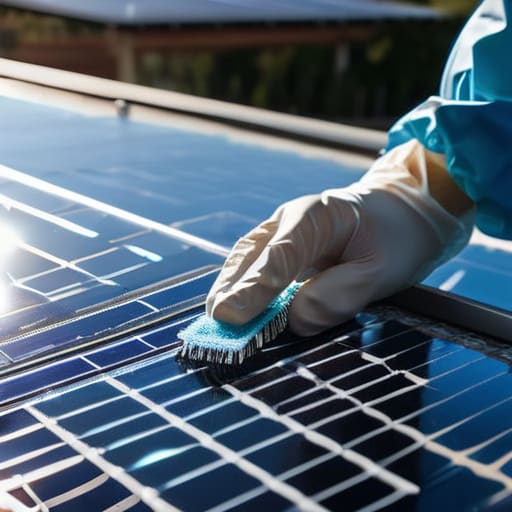
I was out on a client’s roof last Tuesday, clicking my infrared thermometer against a panel that looked perfectly fine to the naked eye, only to see the efficiency numbers tanking. The culprit wasn’t a broken inverter; it was a stubborn, crusty layer of grime that the homeowner had tried to scrub off with some harsh, industrial-grade degreaser they found in the garage. People think they need these expensive, specialized solar panel cleaning chemicals to get peak performance, but honestly, most of the high-priced stuff marketed online is just expensive water wrapped in fancy branding. You don’t need a chemistry degree or a massive budget to keep your array running; you just need to stop making mistakes that actually damage the glass.
I’m not here to sell you on some “miracle solution” that costs more than your monthly power bill. My goal is to give you the straight truth about which solar panel cleaning chemicals actually work and, more importantly, which ones you should never touch if you want your panels to last. I’ll show you how to maintain your system using practical, data-backed methods that protect your investment and keep your energy output high without wasting a single cent.
Table of Contents
- Avoiding Solar Panel Efficiency Loss Without Spending a Fortune
- Why Ph Balanced Solar Cleaners Are Your Best Budget Friend
- 5 Ways to Clean Without Costing the Earth (or Your Wallet)
- The Bottom Line on Keeping Your Panels Clean
- ## The Real Cost of Cheap Cleaners
- The Bottom Line on Keeping Your Panels Clean
- Frequently Asked Questions
Avoiding Solar Panel Efficiency Loss Without Spending a Fortune
Look, I get it. When you see your energy output dipping, the instinct is to grab whatever heavy-duty degreaser is under the sink. Please, don’t do that. Using harsh, acidic, or highly alkaline products is a fast track to permanent damage. The biggest danger lies in abrasive cleaner risks; if you use a scrub that’s too rough, you’ll create microscopic scratches on the glass. Those tiny grooves trap even more dirt and degrade the surface, leading to a permanent solar panel efficiency loss that no amount of cleaning can fix.
If you’re on a tight budget, you don’t need fancy, branded kits to see results. For most of the homes I audit, the goal is simply preventing mineral buildup from hard water. If you have access to it, deionized water cleaning is the gold standard because it leaves zero residue behind. If that’s too expensive, just stick to a soft microfiber cloth and a gentle, pH balanced solar cleaner or even just plain water. It’s about being smart and consistent, not spending a fortune on chemicals that might actually do more harm than good.
Why Ph Balanced Solar Cleaners Are Your Best Budget Friend
When I’m out on a site audit, I see people trying to save a few bucks by grabbing whatever heavy-duty degreaser or harsh soap is sitting under their sink. That’s a massive mistake. Most household cleaners are far too aggressive, and the abrasive cleaner risks are real—you can actually create microscopic scratches on the glass surface. Once that protective coating is compromised, you aren’t just losing efficiency; you’re inviting permanent damage that’s expensive to fix.
This is why I always advocate for ph balanced solar cleaners. These solutions are specifically formulated to lift grime and bird droppings without eating away at the panel’s sealant or glass. It’s about long-term stability rather than a quick, aggressive scrub. By using something gentle, you’re effectively preventing mineral buildup and ensuring that your photovoltaic panel maintenance doesn’t accidentally become a costly repair job. It’s a small upfront cost that protects your entire investment, keeping your energy output steady without the headache of degrading your hardware.
5 Ways to Clean Without Costing the Earth (or Your Wallet)
- Skip the harsh household detergents; things like dish soap or degreasers often leave a film that actually attracts more dust, forcing you to clean even more often.
- Stick to distilled water if you have hard water at home, because mineral buildup from tap water can create a crust on the glass that’s a nightmare to scrub off later.
- Test your cleaner on a tiny corner first; I always use my infrared thermometer to check if a new solution is causing any weird thermal issues or residue buildup.
- Avoid anything with abrasive chemicals or grit; you don’t want to create micro-scratches on the surface that trap dirt and kill your energy yield over time.
- Use a soft microfiber cloth or a specialized solar brush rather than a sponge, which can trap grit and scratch the panels, making them less efficient in the long run.
The Bottom Line on Keeping Your Panels Clean
Skip the harsh household chemicals; they might seem cheap, but they’ll strip the anti-reflective coating off your panels and cost you way more in lost efficiency long-term.
Stick to pH-balanced cleaners or even just plain water to protect your investment and ensure you’re actually capturing every bit of sunlight you’re paying for.
Regular, gentle maintenance is better than a heavy-duty deep clean once a year—consistency is what keeps your energy bills low and your carbon footprint small.
## The Real Cost of Cheap Cleaners
“I’ve seen too many people try to save a few bucks with harsh detergents, only to end up with micro-scratches that kill their panel’s efficiency for years. At the end of the day, if you’re using the wrong chemicals, you aren’t just cleaning your panels—you’re actively sabotaging your return on investment.”
Tobias Nkemdirim
The Bottom Line on Keeping Your Panels Clean
At the end of the day, maintaining your solar setup doesn’t require a massive budget or a professional cleaning crew. It’s really about being smart with what you use. We’ve looked at why skipping the harsh, abrasive chemicals is non-negotiable and how sticking to a pH-balanced cleaner protects your investment from long-term degradation. Remember, the goal isn’t just to make the panels look shiny; it’s about ensuring that every photon hitting those cells actually turns into usable power. If you use the wrong stuff, you aren’t just risking the glass—you’re directly sabotaging your own energy savings and your return on investment.
I know that managing a sustainable home can sometimes feel like a constant battle of small details, but these are the details that matter. Every time you choose a gentle, effective cleaning method over a cheap, damaging shortcut, you are making a choice that favors both your wallet and the planet. We don’t need to be wealthy to live efficiently; we just need to be intentional with our maintenance. Keep your panels clean, keep your data in check, and stop letting wasted sunlight slip through your fingers. It’s a small habit that pays off in every single monthly utility statement.
Frequently Asked Questions
Can I just use a garden hose and some dish soap, or will that actually damage the coating on my panels over time?
I get why you’d think that—it’s easy and cheap. But honestly? I wouldn’t recommend it for the long haul. Most dish soaps are actually pretty harsh; they contain degreasers and salts that can strip away the anti-reflective coating on your cells. Once that coating is gone, your efficiency takes a permanent hit. If you’re on a budget, stick to plain water or a dedicated pH-neutral cleaner to protect your investment.
How often do I realistically need to clean them to see a difference in my monthly energy savings?
Honestly, it depends on your local environment, but I usually tell my clients to aim for once every three months. If you live somewhere with heavy pollen, dust, or bird activity, you might see a noticeable spike in your bills if you skip it. I always check my data: if I see a dip in output during a clear week, it’s time to grab the bucket. Don’t wait for the grime to become a crust.
Are there specific chemicals I should absolutely avoid if I want to prevent permanent buildup or "clouding" on the glass?
Look, if you want to avoid permanent “clouding,” stay far away from harsh abrasives or high-alkaline cleaners like heavy-duty degreasers and bleach. I’ve seen cases where people use industrial cleaners to scrub off bird droppings, only to realize they’ve actually etched the glass surface. Once that microscopic pitting happens, your efficiency is shot for good. Stick to mild, pH-neutral soaps; it’s better to spend ten extra minutes cleaning than to replace an entire panel.
