I still remember sitting in my old rental apartment, staring at a utility bill that felt like a personal attack. I was shivering in a room that cost a fortune to heat, yet I had absolutely no idea where the money was actually going. Most people think you need a massive renovation or a huge budget to fix your energy leaks, but that’s just a myth. The truth is, understanding the real smart meter advantages isn’t about buying fancy new gadgets; it’s about finally getting the data you need to stop the bleeding.
I’m not here to sell you on some high-tech lifestyle hype or corporate jargon. I’m here to give you the straight talk on how to use this tech to actually shrink your bills and your carbon footprint at the same time. I’ll walk you through the practical ways a smart meter can help you spot energy vampires in your home, ensuring you only pay for what you actually use. My goal is to show you how to make small, smart changes that keep your wallet full and your impact minimal.
Table of Contents
Seeing the Truth Through Real Time Energy Consumption Data
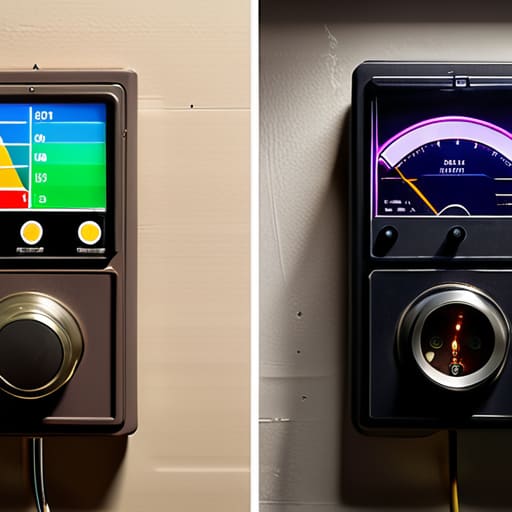
The biggest difference between a smart meter vs traditional meter isn’t just how the numbers get to the utility company; it’s about what you actually see. With an old-school meter, you’re essentially flying blind. You get a bill at the end of the month, and it feels like a surprise attack on your bank account. You know you spent money, but you have no idea if it was because of that old space heater in the guest room or the fridge running constantly.
When you start looking at real-time energy consumption data, the mystery disappears. I usually pull up the data on my phone or the in-home display and watch the numbers jump every time a heavy appliance kicks in. It’s a massive eye-opener. You might realize that your “efficient” dehumidifier is actually a massive energy hog, or that your standby power usage is higher than you thought. Seeing that live spike makes you actually want to flip the switch. It turns energy saving from a vague concept into a tangible, daily habit.
Smart Meter vs Traditional Meter Why One Saves You More
The biggest difference between a smart meter vs traditional meter comes down to how much guesswork you’re forced to do. With the old-school analog meters, you’re basically flying blind. You wait for a monthly bill to arrive, see a number that looks way too high, and then spend the next thirty days wondering if it was the heater, the old fridge, or just a bad estimate from the utility company. It’s reactive, frustrating, and—most importantly—expensive.
Smart meters flip that script by giving you a constant feedback loop. Instead of a monthly “surprise,” you get a clear picture of your habits as they happen. This is where reducing utility bills with smart meters actually becomes practical rather than just theoretical. When you can see that your energy spikes every time the dishwasher runs at 7 PM, you can start making adjustments. You aren’t just guessing anymore; you’re making decisions based on what’s actually happening in your walls, which is the only way to stop the leak in your wallet.
5 Ways a Smart Meter Actually Changes Your Daily Routine
- Stop guessing and start tracking. Most people treat their energy bill like a mystery box that arrives once a month, but a smart meter lets you see exactly when your heavy hitters—like the dryer or the space heater—are actually spiking your costs.
- Take the guesswork out of budgeting. Since you aren’t waiting for a manual reading to get an estimate, you can see your usage patterns in real-time, which means no more “bill shock” at the end of a cold winter month.
- Spot the phantom loads. I often use my infrared thermometer to find physical heat leaks, but a smart meter helps you find “electrical leaks”—those appliances that sit on standby and quietly bleed money even when you aren’t using them.
- Optimize your “off-peak” usage. If your utility provider offers cheaper rates during certain hours, a smart meter makes it easy to shift energy-heavy tasks, like running the dishwasher, to those lower-cost windows.
- Simplify your life with automated billing. You don’t have to play phone tag with your provider or worry about an estimator getting your usage wrong; the data flows automatically, so you only ever pay for what you actually consumed.
The Bottom Line: Why Making the Switch Matters
You can’t fix what you can’t see; smart meters turn invisible energy leaks into clear, actionable data so you actually know where your money is going.
It’s about moving away from the “bill shock” of traditional meters and taking control of your consumption patterns in real-time.
Upgrading to a smart meter isn’t just a tech play—it’s a practical, low-effort way to shrink your utility bills and your carbon footprint at the same time.
## The End of the Guessing Game
“I’ve spent way too many hours auditing homes only to find people are essentially throwing money out of the window because they have no idea when their appliances are spiking. A smart meter ends that guesswork; it turns your energy usage from a mystery on a monthly bill into a real-time map you can actually use to take control.”
Tobias Nkemdirim
Making the Switch
At the end of the day, switching to a smart meter isn’t just about getting a shiny new piece of hardware installed on your wall. It’s about reclaiming control over your household budget. We’ve looked at how real-time data removes the guesswork from your monthly bills and how much more efficient these systems are compared to the old-school, manual meters that leave you guessing until the end of the month. By seeing exactly when your energy spikes occur—whether it’s that old space heater or a faulty appliance—you can finally stop paying for energy you aren’t actually using. It’s about turning invisible waste into visible, actionable data.
I know that sometimes the idea of “sustainability” feels like a luxury reserved for people with massive bank accounts and solar-paneled mansions. But my experience auditing homes has taught me that true change starts with these small, practical shifts. You don’t need to overhaul your entire life to make an impact; you just need to stop being blind to your own consumption. Getting a smart meter is a simple, smart way to ensure you aren’t wasting money just because it’s convenient. Let’s stop letting our hard-earned cash leak out of our homes and start living smarter, not harder.
Frequently Asked Questions
How much money can I actually expect to save on my monthly bills after installing one?
Look, I can’t give you a magic number because every home is different, but I’ve seen the data. If you’re just passive, you might only see a 5% dip. But if you use that real-time data to actually change your habits—like shifting laundry to off-peak hours—you can realistically shave 10% to 15% off your monthly bill. It’s not about a windfall; it’s about cutting out the invisible waste.
Are there any privacy risks with the energy company seeing my real-time usage data?
Look, I get the hesitation. When you’re looking at data, you want to know who else is looking at it. While your energy provider sees the patterns, they aren’t watching you through a camera; they’re just seeing spikes in kilowatt-hours. It tells them when you’re home or using the oven, but it’s all encrypted. For me, the trade-off is worth it: the privacy risk is minimal compared to the massive amount of money you waste by flying blind.
Do I need to upgrade my old appliances to get the most out of a smart meter?
Not necessarily, but there’s a catch. A smart meter tracks your usage, but it can’t fix a massive energy drain. If you’re running a twenty-year-old fridge that’s basically a space heater, the smart meter will just show you exactly how much money you’re bleeding in real-time. Start by using your meter data to identify the biggest culprits. Upgrade the “energy hogs” first; that’s where you’ll see the biggest dent in your bills.
