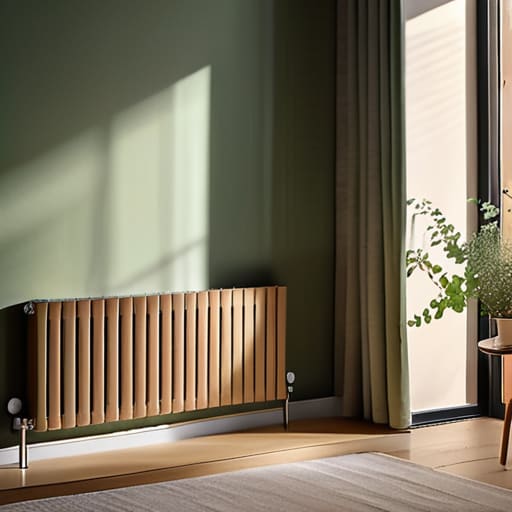
I still remember sitting in my old rental apartment three years ago, wrapped in two blankets and staring at a radiator that felt more like a piece of cold metal than a heat source. I’d be cranking the thermostat up just to feel a hint of warmth, only to watch my bank account drain every single month. It’s infuriating how the industry tries to sell you on these massive, high-tech overhauls when the real problem is often just poorly managed heat. Most people think achieving energy efficient heating requires a massive renovation or a tech-heavy smart home setup, but that’s a total myth. You don’t need to be wealthy to stop your money from literally going up in smoke.
In this guide, I’m stripping away the marketing fluff and the expensive, unnecessary gadgets. I’m going to show you the practical, data-driven tweaks I use in my professional audits to keep rooms warm without skyrocketing your utility bills. We’re focusing on small, smart changes that actually work—the kind of stuff that makes a difference to your wallet and your carbon footprint immediately. No hype, just real solutions.
Table of Contents
Small Changes to Start Reducing Home Heating Bills Now
You don’t need to gut your house or install a massive solar array to see a difference in your monthly statements. Most of the heat I find escaping during my audits isn’t coming from a faulty furnace, but from the tiny, overlooked gaps in your living space. Start with the basics: draft stoppers under doors and heavy curtains over windows. It sounds old-school, but understanding thermal insulation importance is the fastest way to stop your hard-earned money from leaking through the cracks. Even something as simple as sealing a window frame can keep a room significantly warmer for longer.
If you’re looking for a tech-driven approach, I always suggest looking at your control systems. Upgrading to a programmable model can lead to massive smart thermostat energy savings because it stops heating an empty house. I’ve seen people waste hundreds of dollars a year simply because they forgot to turn the dial down before heading to work. It’s about being intentional with how you use your space. Small, data-backed adjustments are much more effective—and much cheaper—than waiting for a total system failure to take action.
Why Thermal Insulation Importance Is Your Best Financial Friend

I’ve spent countless hours pointing my infrared thermometer at walls, and the data never lies: you can buy the most expensive heater on the market, but if your walls are basically sieves, you’re just throwing cash into the wind. This is where the thermal insulation importance really hits home. Think of insulation as the thermal jacket for your house. Without it, your heating system is working overtime just to fight a losing battle against the cold creeping through your attic or floorboards.
Investing in proper insulation is arguably the most effective way of reducing home heating bills because it addresses the root cause of energy loss rather than just treating the symptoms. While everyone talks about flashy new gadgets, a well-insulated home creates a stable environment that requires far less mechanical intervention. It’s the difference between constantly cranking the heat and simply maintaining a steady, comfortable temperature. If you’re planning to eventually upgrade to more advanced systems, getting your insulation right first is the smartest financial move you can make.
5 Practical Ways to Stop Losing Heat and Start Saving Cash
- Check your radiator’s “breathing” room. If your furniture is pushed right up against a heater, you’re just heating the back of a sofa instead of the room. Pull them back a few inches to let the warmth actually circulate.
- Get a handle on your thermostat settings. Even a one-degree difference can shift your monthly bill significantly. I always suggest a programmable one so you aren’t heating an empty house while you’re at work.
- Don’t ignore the drafts around your windows and doors. I usually grab my infrared thermometer to find those exact spots where the cold is leaking in. A simple weatherstrip or even a heavy curtain can make a massive difference.
- Bleed your radiators. If they feel cold at the top but hot at the bottom, you’ve got trapped air. It’s a five-minute job that makes your system work way more efficiently without costing a dime.
- Use your curtains strategically. Close them as soon as the sun goes down to add an extra layer of insulation over your glass, and open them during the day to let the natural solar heat do the heavy lifting for free.
The Bottom Line on Heating Smarter
Stop chasing high-tech gadgets and start fixing the leaks; sealing gaps and improving insulation is the fastest way to stop your money from escaping through the walls.
Energy efficiency isn’t a luxury for the wealthy—it’s about making small, data-backed swaps that prioritize long-term savings over immediate convenience.
Every degree you lower your thermostat and every draft you plug is a direct win for both your bank account and your carbon footprint.
The Real Cost of Comfort
“Heating a home shouldn’t feel like a choice between being warm and being able to afford groceries; if you’re just cranking up the thermostat to fight a drafty window, you’re not actually heating your house—you’re just paying to heat the street.”
Tobias Nkemdirim
The Bottom Line on Staying Warm
Look, we’ve covered a lot of ground, from the immediate wins of sealing those pesky drafts to the long-term financial heavy lifting that proper insulation provides. The takeaway is simple: energy efficiency isn’t some luxury reserved for people with massive solar arrays and smart-home budgets. It’s about being intentional with the space you already have. Whether you’re just starting with some heavy curtains or you’re finally investing in better loft insulation, every step you take is a step toward reclaiming your hard-earned money from the utility companies. It’s about closing the gaps—both in your walls and in your monthly budget.
At the end of the day, I don’t want you to feel overwhelmed by the scale of the climate crisis or the rising cost of living. I want you to feel empowered. You don’t need to overhaul your entire life overnight to make a difference. Start small, use the data, and keep an eye on where your heat is actually going. When we stop treating energy waste as an unavoidable cost of living, we start building a future that is actually sustainable for everyone, not just the wealthy. Small, smart changes add up, and honestly, your bank account—and the planet—will thank you for it.
Frequently Asked Questions
I've checked my windows for drafts, but how do I know if my actual wall insulation is failing without tearing everything down?
You don’t need a sledgehammer to check your walls. Grab your infrared thermometer—mine’s always in my pocket—and scan the interior surface during a cold snap. If you see significant “cold spots” or dark patches on the thermal reading, that’s a red flag for missing or settled insulation. You can also check your energy bills; if your heating usage spikes disproportionately to the outside temperature, your walls are likely leaking heat.
Is it actually worth investing in a smart thermostat, or is that just another expensive gadget that doesn't move the needle on my bills?
Look, I get the skepticism. Most “smart” tech is just a way to drain your wallet, but a smart thermostat actually makes sense if you use it right. It’s not magic, but it stops the “set it and forget it” mistake where you’re heating an empty house for eight hours. If you’re the type to forget to turn the heat down before bed, it’ll pay for itself. Otherwise, it’s just a fancy gadget.
If I'm renting, what are some low-cost heating hacks that won't get me in trouble with my landlord?
I get it—when you’re renting, you can’t exactly go tearing down walls to add insulation. But you don’t need permission to stop drafts. Grab some heavy thermal curtains to block window heat loss, or use adhesive weather stripping on door frames; it’s cheap and peels right off when you move. I also swear by draft excluders at the base of doors. These small, non-permanent tweaks keep the heat in without risking your security deposit.
